



BOULDER COUNTY, Colo. — Two early morning wildfires in Colorado on Wednesday prompted mandatory and voluntary evacuation orders as unseasonably dry conditions fueled the flames.
The Goat Trail Fire started just a few hours after midnight Wednesday morning. It put neighbors in the area near Fourth Street and Hawthorn Avenue under an evacuation warning, meaning they were expected to be ready to leave their homes at a moment's notice.
▶️ WATCH: Emergency officials and residents talk with Denver7's Veronica Acosta in the wake of the fires
The Cougar Run Fire, which started roughly 30 miles north of the Goat Trail Fire, in Larimer County near Carter Lake, prompted a mandatory evacuation.
"We sent those emergency alerts and we notified those community members that were in that imminent threat area to evacuate immediately," said Kimberly Culp, chief executive officer of the Larimer Emergency Telephone Authority.
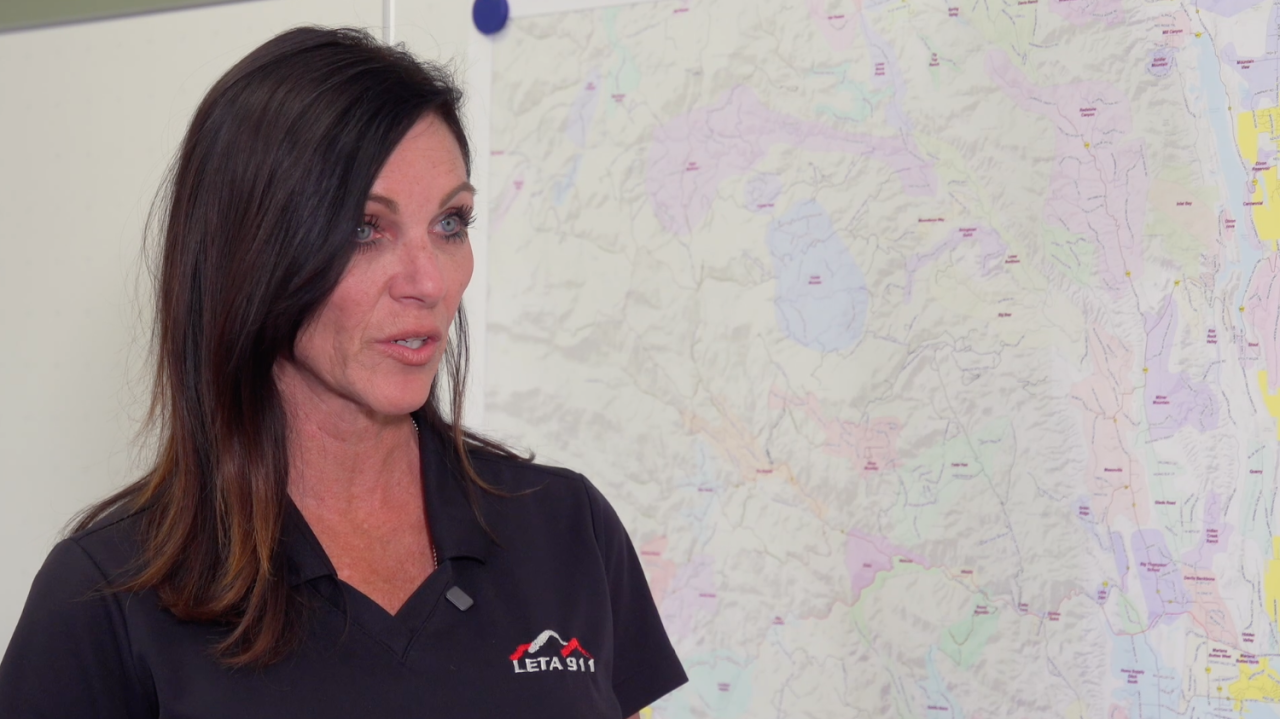
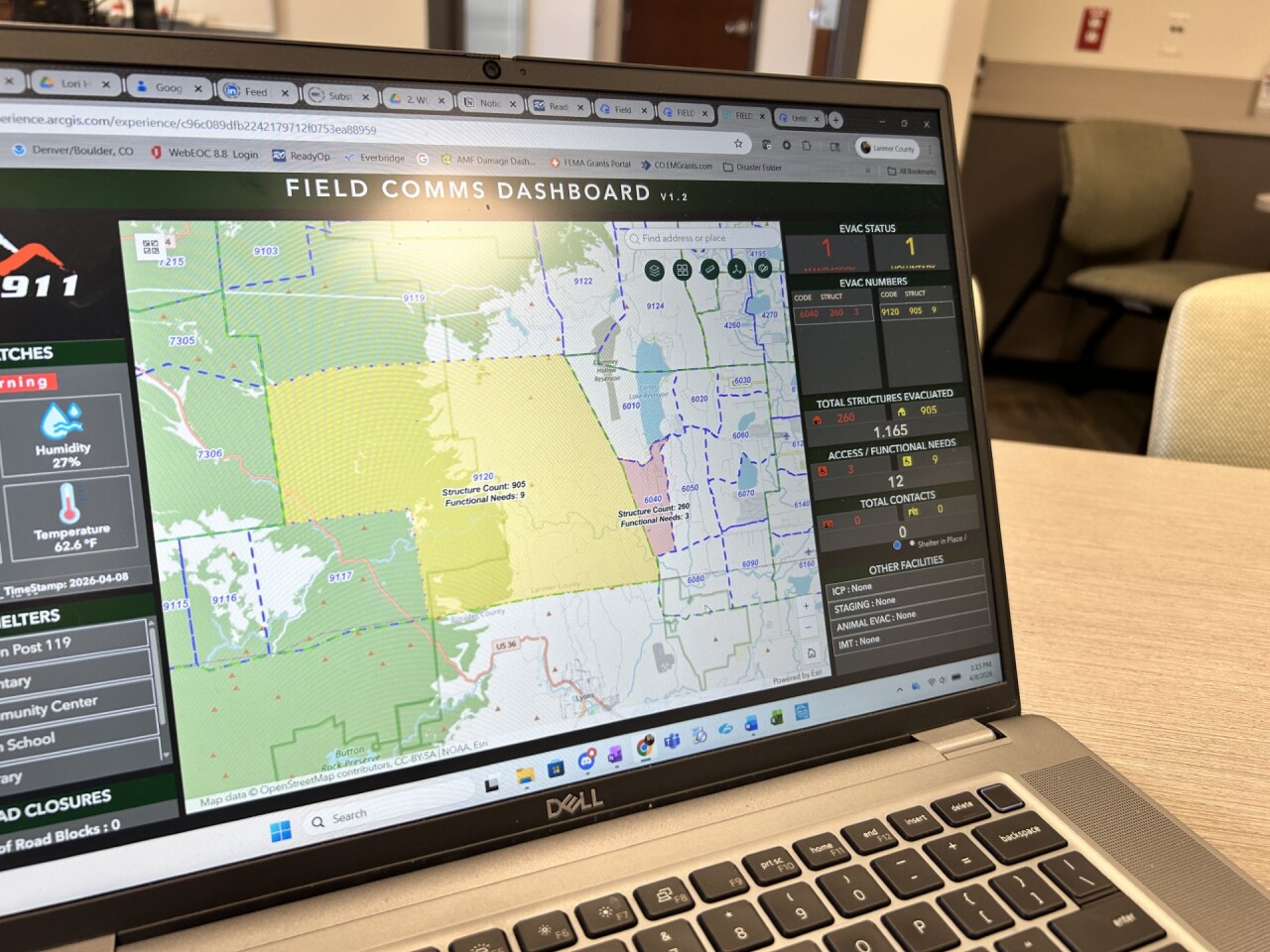
Culp told Denver7 that 155 people were sent the mandatory evacuation alert on Wednesday morning for the Cougar Run Fire.
She said 260 structures were within the mandatory evacuation zone. The voluntary evacuation notice covered an area with more than 900 structures.
When Denver7 asked how the authority prepares for a day without a red flag warning or high wind watch, Culp explained their readiness to alert anyone to leave their home at a moment's notice.
"We're logged into the system, ready to go, and we have somebody that is able to respond 24 hours a day, seven days a week, and send those emergency alerts out," Culp said.
Further south, the Goat Trail Fire forced an evacuation warning for nearby residents.
Monika Weber, coordinator for the Boulder Office of Disaster Management, said it is important residents take the warnings seriously.
"At a warning phase, we really encourage people to get ready to take action," Weber said. "... You need to take action to protect your life (and) safety."
Steve Conney, who lives near the Goat Trail Fire, said he woke up to sirens and was thrown into a nightmare.
"I looked out my window and I saw this really large ring of fire," Conney said. "Fortunately, the sirens woke me up, so that's kind of when I jumped out of bed."
Sign up for emergency alerts in your community here.

On Wednesday morning, Denver7 received the below email asking about an update on investigations into several small fires in Boulder County over the past few weeks.

Looking over the past few months, we have reported on several fires in the county, including:
- Dec. 22: Fourmile Canyon
- Jan. 5: Southeast of Louisville
- Feb. 28: Chautauqua Park
- March 7: Heil Valley Ranch
- April 6: Enchanted Mesa Trailhead
- April 8: Goat Trail Fire
Denver7’s Stephanie Butzer took this viewer’s question to the Boulder County Sheriff’s Office, which explained how complicated these investigations can become, especially when determining a cause and origin. Carrie Haverfield, senior communications specialist with the sheriff’s office, said the place where a fire starts is typically impacted and even destroyed by firefighters' suppression efforts.
“At this time, based on preliminary information, we have no reason to believe that a serial arsonist is responsible for recent fires in Boulder County,” Haverfield said. “Historically, the most common causes of wildland fires in our area remain consistent. These include downed power lines, illegal or unattended campfires, discarded smoking materials such as cigarettes or vaping devices, and sparks from equipment like tractors, chains, or welding tools.”
The process to identify a cause and origin, when feasible, can be time-intensive.
“We understand the community’s concern and will continue to thoroughly investigate each fire within our jurisdiction, while also encouraging the public to remain vigilant and follow all fire restrictions to help reduce the risk of human-caused fires,” Haverfield said.
This story was reported on-air by a journalist and the top half has been converted to this platform with the assistance of AI. Our editorial team verifies all reporting on all platforms for fairness and accuracy.
