

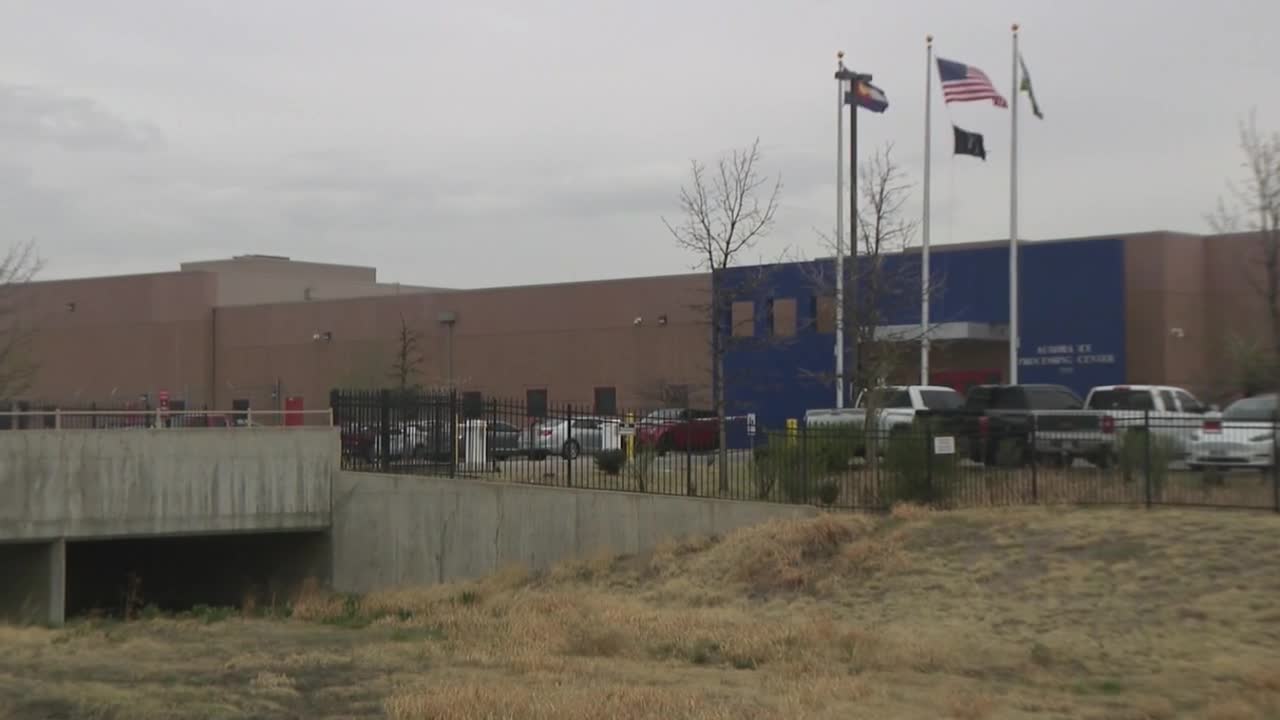


AURORA, Colo. — An Adams County Health Department report details the obstacles officials said they faced while investigating reported widespread illness at an Aurora Immigration and Customs Enforcement detention facility, including blocked staff interviews, delayed patient access, and unreturned testing kits.
The facility is operated by the GEO Group, a private Florida-based detention provider.
WATCH | Denver7's Maggie Bryan reports on the obstacles health officials say they faced at an Aurora ICE facility
The report said Adams County health officials received an anonymous complaint on Jan. 2 from the Colorado Department of Public Health and Environment about widespread gastrointestinal and respiratory illness at the facility. A second complaint from multiple anonymous sources from an unnamed local public health agency was sent to the county health department on Jan. 5. Adams County health officials said both complaints reported possible gastrointestinal illness among kitchen staff.
Read the full report

Local
Adams County investigates ICE facility after allegations of illness, neglect
The report details a Jan. 7 on-site investigation conducted by Adams County and state health officials who interviewed six detainees working in the facility's kitchen and four Geo Group contractors: three kitchen staff and the kitchen supervisor. The report said health officials did not identify evidence of an outbreak.
The health department said some people who were interviewed reported unspecified respiratory illness, but those reports did not meet the threshold for outbreak status, which is defined as more than two cases of influenza with symptoms within seven days of each other.
During the on-site investigation, health officials said the GEO Group legal counsel delayed efforts to interview facility staff. The report said despite repeated attempts to do follow-up interviews, health officials were never given access to talk with staff.
In an emailed response to Denver7, Adams County Health Department spokesperson Jennifer Lucero-Alvarez said the health department notified the facility nearly 24 hours prior to the on-site visit. She said it is standard practice to interview facility staff who may have information about a possible outbreak.
"This is a critical component of a comprehensive disease investigation, as staff have on-the-ground knowledge and key context in rapidly developing situations. AIPC (Aurora ICE Processing Center) provided limited access to necessary components of the investigation, including access to staff," said Lucero-Alvarez.
The report said the health department did not collect lab specimens during the on-site visit and none of the stool specimen kits provided to the facility for individuals with symptoms of diarrhea or vomiting were returned to the health department for testing.
Denver7 spoke with Dr. Bob Belknap, the executive director of the Public Health Institute at Denver Health, about the importance of timely communication during any health investigation.

"I think there's two risks when communication is delayed. There's the risk for the individual, because if they have something that is treatable, then the earlier we figure that out and get them on the appropriate treatment that's good for them, that's also good for anyone that they're around," said Dr. Belknap. "We need the staff who are working in these facilities to be the front line, identify, ask questions, get tests and, where necessary, elevate concerns, and, you know, work with public health."
The report said a subsequent phone interview with a detainee who tested positive for a foodborne illness was "significantly delayed" because of a delay in coordination with facility staff. The health department said it was notified about the case by an outside medical provider on Jan. 27 and was able to conduct a phone interview with the detainee 15 days later. The report said the patient was also diagnosed with norovirus and health officials believe the exposure was likely outside the facility.
Alfredo Carbajal, who works with immigrant advocacy group Aurora Unidos CSO, said he wants to see more transparency from the GEO Group.
"The GEO center claims that they want to help folks connect with their loved ones, and they take care of them. And obviously that's not true," Carbajal said.
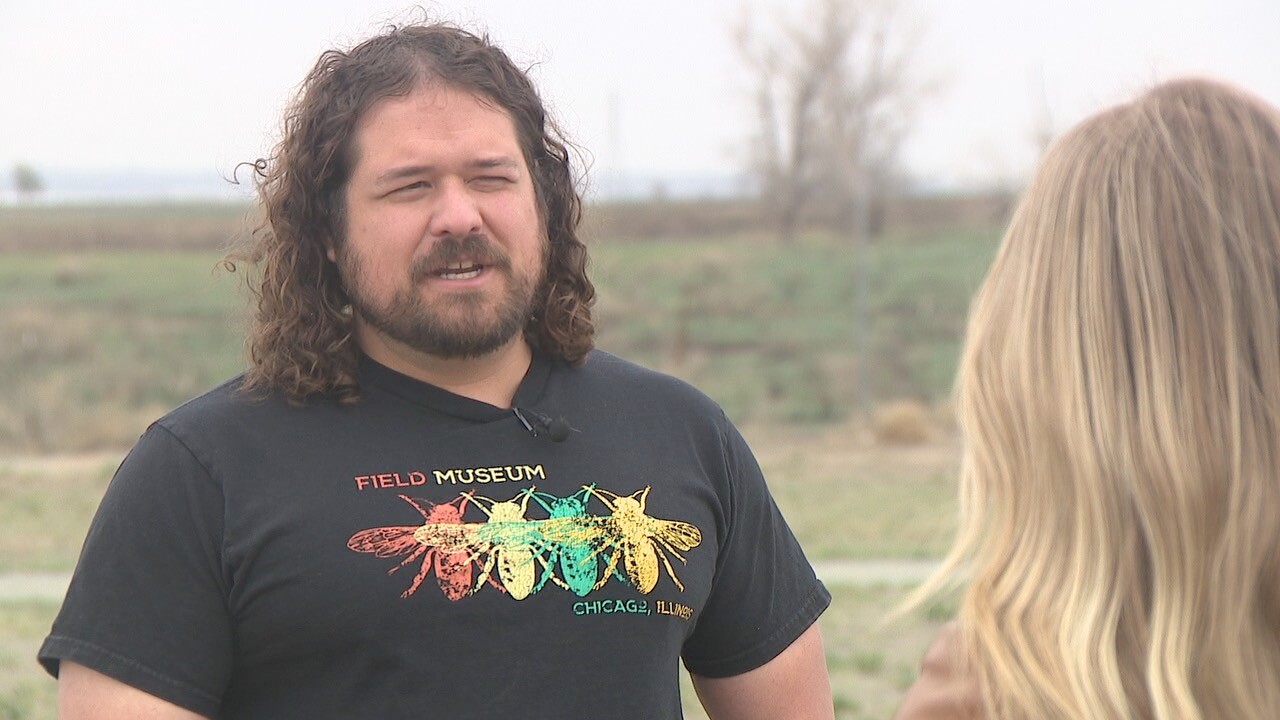
The organization communicates and meets with detainees inside the Aurora detention facility and has raised concerns about the conditions inside.
"The consistent thing that we hear from folks that we work with is lack of nutritional food. So a lot of the food that they get is not meeting the requirements that they need," said Carbajal. "We've heard repeatedly of neglect, of people not getting the medicine they need."
A GEO Group spokesperson sent Denver7 the following statement, but did not directly answer our questions about the reported block of staff interviews.
The Aurora ICE Processing Center provides high quality support services in compliance with ICE’s Performance-Based National Detention Standards (PBNDS) and other contractual requirements required by the Federal Government. The support services provided at the Center include around-the-clock access to medical care. Detainees at the Center are provided with access to teams of medical professionals including physicians, nurses, dentists, psychologists, and psychiatrists. Ready access to off-site medical specialists, imaging facilities, Emergency Medical Services, and local community hospitals is also provided when needed."
ICE did not respond to Denver7's requests for comment.
The health department said it gave a list of recommendations to facility staff, including improved communication, timely access to staff and detainees, and quarterly meetings with GEO Group staff. The report said no facility staff have followed through on the recommended routine communication since the investigation was completed.
-
Click here for more stories Denver7 revisited

-

The Follow Up
Denver nightclub tied to sexual assault accusation to reopen under new name
-

The Follow Up
Denver accelerates Aztlan Pool rebuild after leak forced summer closure
-

The Follow Up
Father of cyclist killed in hit-and-run crash fighting for safer Aurora roads


