

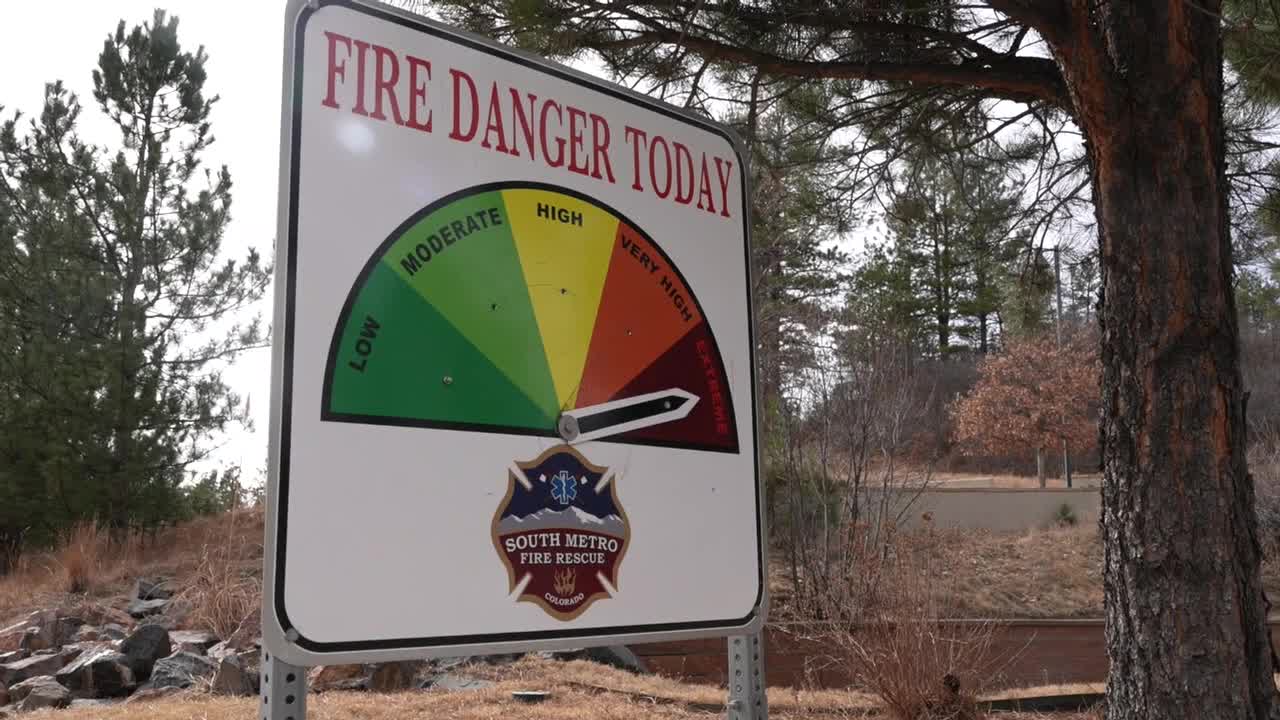


DOUGLAS COUNTY, Colo. — Locals and newcomers know this Colorado winter is one for the books, with warm temperatures and little snowfall. This week is a tale of fire and ice, with heavy snow expected in the mountains and elevated fire danger across the Front Range.
"Moved here from the East Coast about a year and-a-half ago, and it's like living in Florida this winter," said Josh Andrejczyk. "It's been so warm. I can't believe how many 60-degree days they've had this winter, and there's just been no snow, which I haven't used my snowboard since we moved here."
Denver7's weather team has been closely following the warm weather, with a red flag warning in effect on Monday and strong winds expected to arrive on Tuesday. Xcel Energy announced on Sunday plans to activate enhanced powerline safety settings (EPSS) to reduce wildfire risk.
"EPSS is enhanced power line safety settings, so this is where we can put the lines into a little bit safer setting without actually turning off the power," said Xcel Energy Director of Wildfire Meteorology and Fire Science, Zach Tolby. "So, what this allows is for if a tree does fall down during an event where there could be critical fire weather, that it is less likely to start a fire."
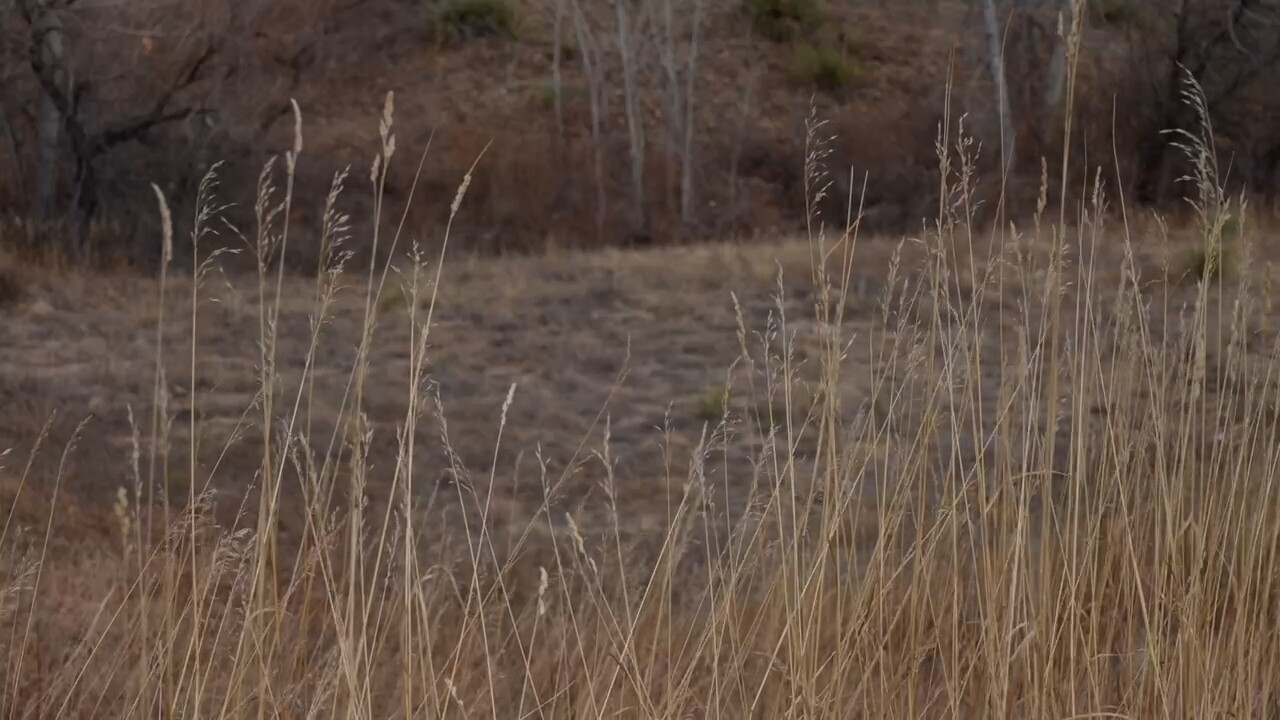
Denver7 checked in with South Metro Fire Rescue (SMFR) to hear how they prepare for these warm temperatures and windy conditions. Public Information Officer Matthew Assell said across their 30 stations, they are ready for every kind of emergency along with increased fire danger.
"Wind is kind of one of those factors that always comes and goes, but a lot of people think of the dry weather, low humidity, high temperatures as kind of that summer thing, which living in Colorado, we have a year-round fire season," said Assell. "This year, we're just seeing that more in the winter. So, kind of one of the things that we've been talking about is not only, is this impacting current day-to-day operations and increased fire risks, but it's also looking into the future in the next few months, what risks we see associated with that, with the warmer temperatures right now."
SMFR has 11 “Type 6” Brush Trucks and 4 larger “Type 3” Brush Engines to respond to wildfires that pop up in the area. Assell explained that on red flag warning days, they do brush truck follows, meaning if the fire engine were to leave for a non-emergency related manner, the brush truck would come in case there are any calls in the community.
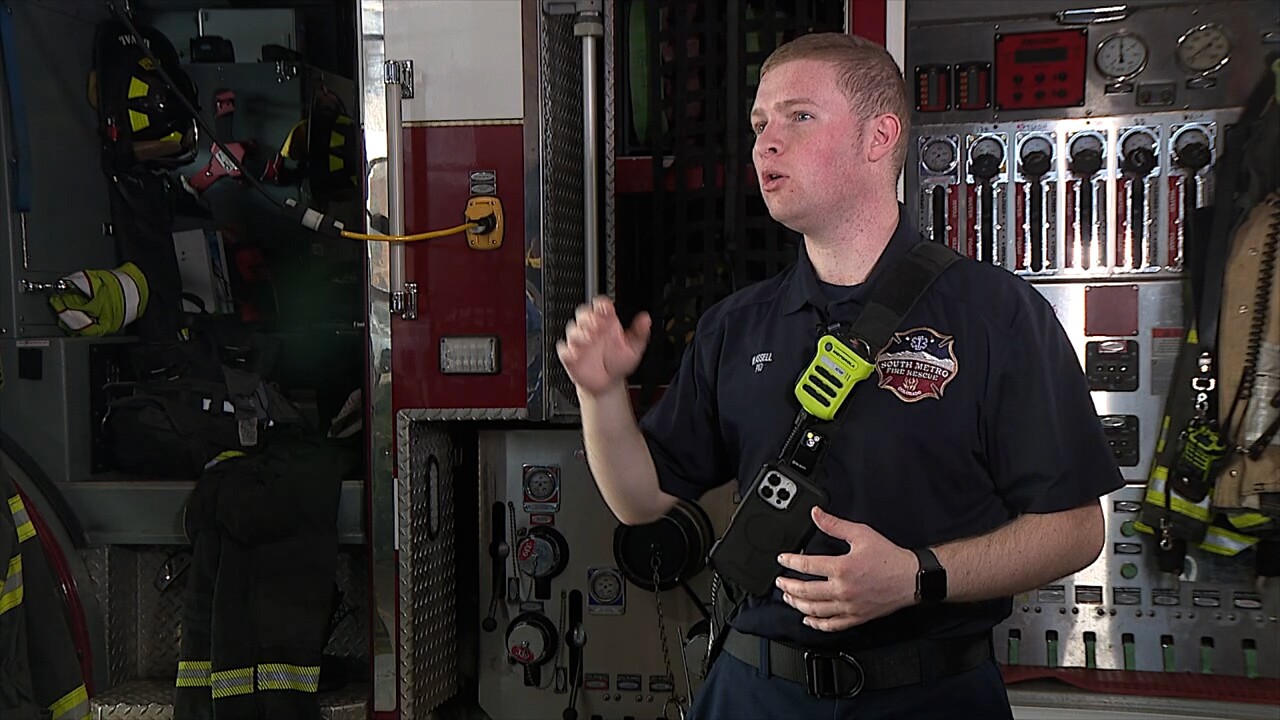
Another way the department is prepared for these weather conditions in increasing responses for small fires so more people are there in case it does spread faster.
"A fire that might normally be handled with, say, one wildland fire truck, a normal fire engine and a chief on it, may get two of each of those resources, just heading that direction preemptively. So that way, we're ready to go in case that fire does start to spread," Assell said.
As far as increasing staffing, Assell explained it is "kind of like a snow day" where they evaluate the need depending on weather factors, power line shutoffs, or staffing in other departments.
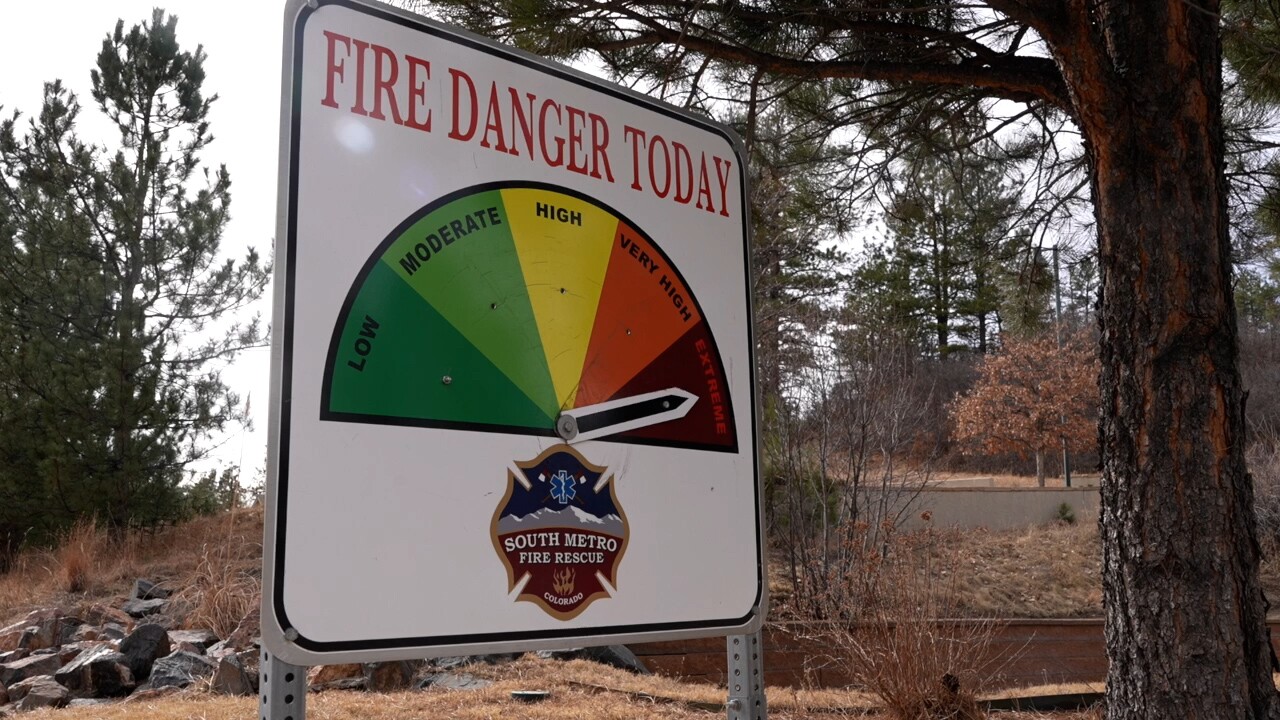
With the anticipated weather conditions, Assell encouraged community members to sign up for your counties reverse 911 to be alerted in case evacuations do happen.
"One of the best resources that you and your family can use to kind of help prepare yourself for those emergencies is by signing up for your county's reverse 911 system. That's how the sheriff's offices, police departments, fire departments are able to get a hold of you and kind of push that notification if you need to evacuate," said Assell. "So you need to shelter in place from a hazardous material spill, whatever that circumstance may be."


