

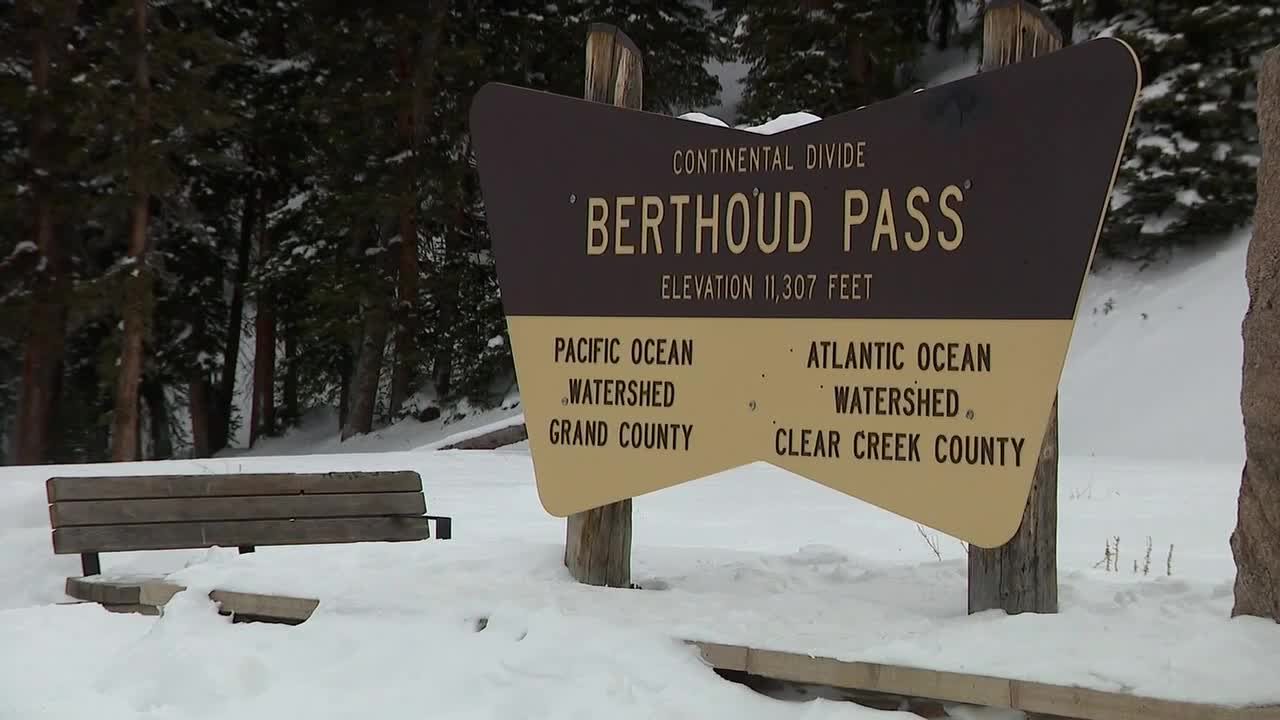


DENVER — Strong wind gusts were felt throughout parts of Colorado on Tuesday, with the National Weather Service issuing a high wind warning for the Front Range mountains and northern foothills. The weather caused several power outages, some semis to overturn on major highways, and an avalanche watch was issued for the Park Range.
Greg Heavener, warning coordination meteorologist for the National Weather Service, said there has not been a high wind warning since late October and that gusts of 90-plus miles an hour had been recorded just to the west of Boulder.
“We have a low pressure that's being created in parts of eastern Colorado, and a high pressure over on the west slopes, say like Grand Junction. The difference in high and low pressure, depending on how tight, how close the proximity that high and low are, produces a strong what we call pressure gradient. Basically just squeezing all the atmosphere into a much smaller box, and the more we squeeze into a smaller box, the faster the winds are,” Heavener said.
Over the last week, the Colorado Avalanche Information Center has recorded 138 avalanches across the state. Brian Lazar, deputy director of the Colorado Avalanche Information Center, said while they are small in size, they are growing in size as more volume is added to the snowpack. Denver7 asked how the high winds can play a factor when it comes to avalanche danger.

`
“When we get the recipe for avalanches, the ingredients we need are some weak underlying snow and then we need stiffer, stronger snow on top of that,” said Lazar. “Winds are often the architect of building those stiffer layers of snow, which we call wind-drifted slabs, so when you've got stiffer wind-drifted slab sitting over weaker snow underneath, then you have the ingredients for producing avalanches.”
Now heading into the winter months, Lazar reminded people to plan accordingly, make safe travel options, and to carry the minimum rescue gear when heading out.
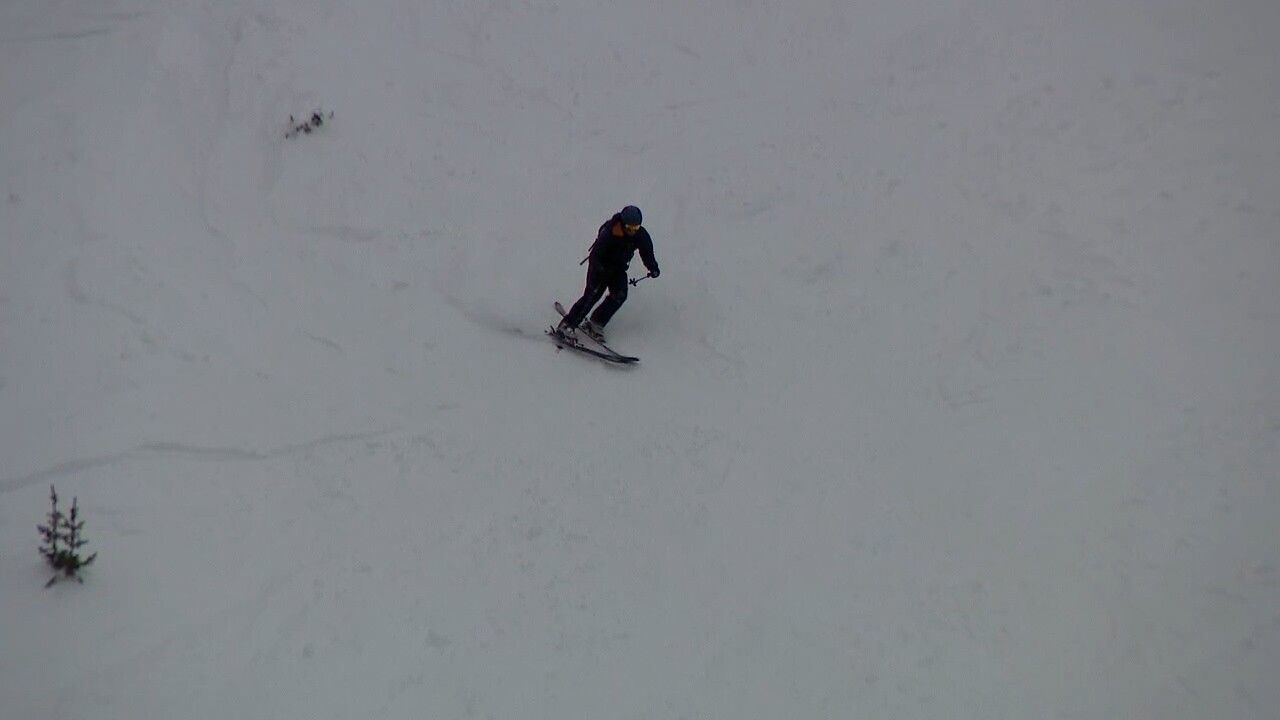
“I know we've been all waiting patiently, or sometimes not so patiently, for the snow to arrive, and it is here, but it is real avalanche season now, and so we need people to kind of take this with all the seriousness it deserves," Lazar said.
Denver7 chief meteorologist Lisa Hidalgo explained that these strong wind gusts can lead to downed power lines along with problems on major highways, as big trucks can turn over from the wind. She said temperatures will be higher in the metro area with wind speeds between 20 and 30 mph, but these speeds are higher just a couple of miles away.
“This is very typical for us this time of year, especially as we're coming into kind of a weak La Niña," said Hidalgo. "We get really strong flows coming in from the Pacific Northwest. So our northern and central mountains can get hit pretty hard, and it comes with snow and gusty winds. “


Denver7 is committed to making a difference in our community by standing up for what's right, listening, lending a helping hand and following through on promises. See that work in action, in the videos above.


