

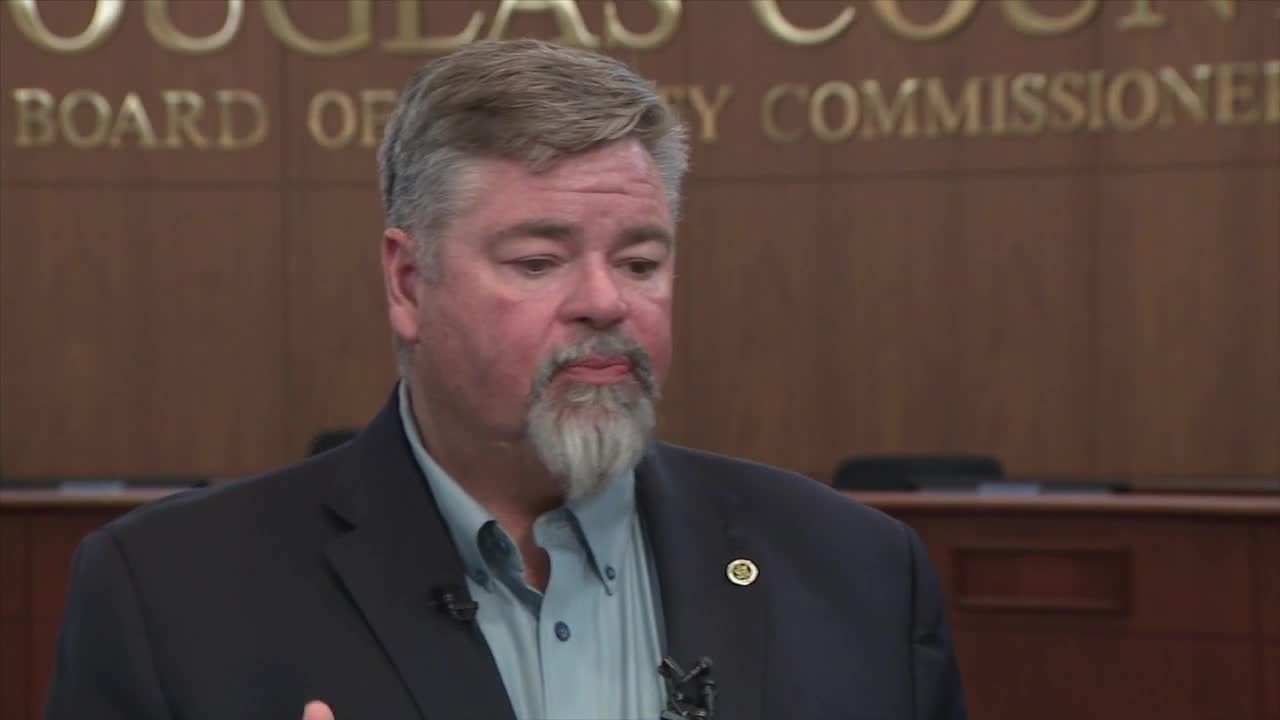


LONE TREE, Colo. — After a contentious home‑rule campaign that led to some heated debate and ultimately a failed special election effort in June, Douglas County leaders are facing fresh backlash for removing general public comment from their meetings.
Since then, some residents like Emily Suyat from Parker say they’ve lost trust in the county commissioners.
“After [the] home rule [campaign], [County Commissioners Board Chair] George Teal said the ‘Stop Home Rule’ effort was funded by the Chinese Communist Party,” she recalled. “He did that with zero evidence.”
Douglas County has turned off comments on its Facebook, X, and Instagram accounts and has now made a change to the public comment procedure during commissioners’ business meetings.
Residents can still give public comment on predetermined agenda topics, but general public comment has been removed from the agenda.
The county is instead prioritizing feedback for commissioners through direct, non-public outlets like phone, email, scheduled in-person meetings, and events like town halls.
Tuesday’s meeting was the first with general public comment officially off the agenda. Suyat says previously it was on the agenda, but was cut at the end of recent meetings due to a lack of time.
“I think they're afraid of being held accountable,” Suyat told Denver7 on Wednesday, adding that she has tried to email commissioners to start a conversation but did not hear back. “I think they're afraid of questions. I think they're afraid of being challenged.”
“I think there's value in having public accountability,” she added. “That's how we get, that's how we arrive at good solutions, is by having a dialogue. And it is by having the public contribute and say, ‘Oh, I want to jump off of her comment. I think this.’”
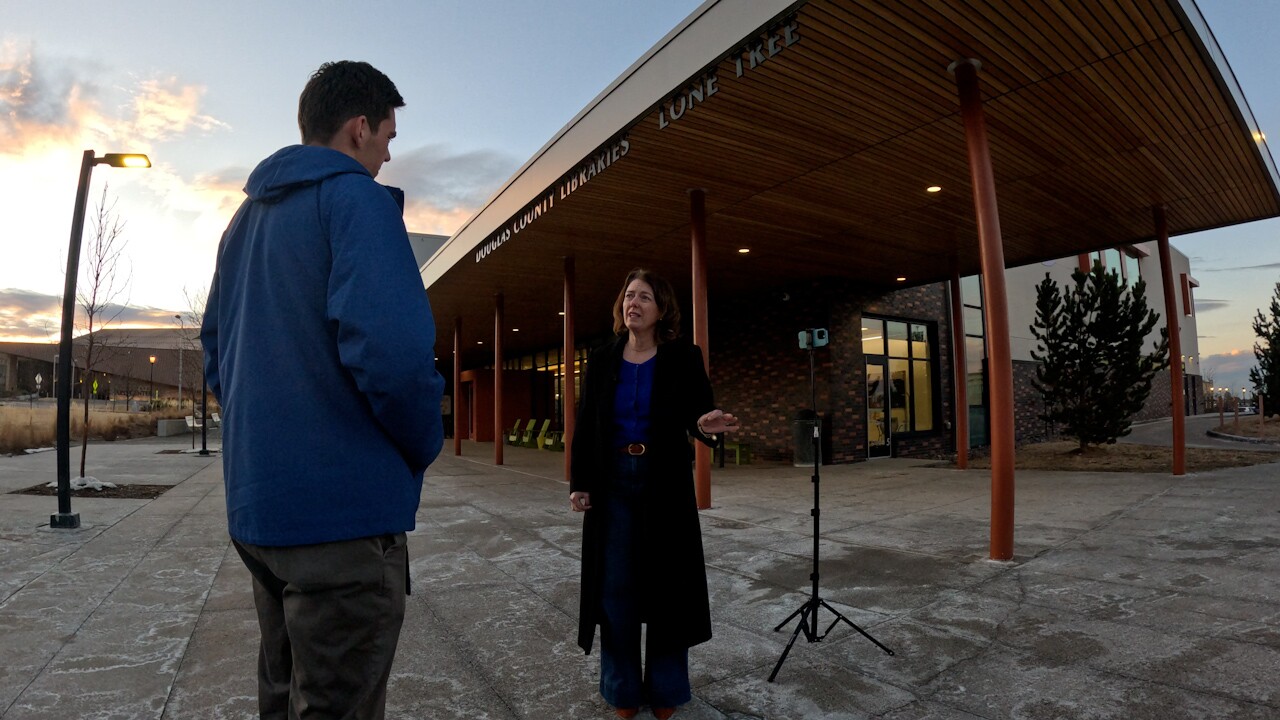
Denver7 reached out to county commissioners for an interview Wednesday.
A Douglas County spokesperson said Teal wants to speak about the change on camera, but can’t this week because of a death in the family.
The county sent Denver7 a lengthy statement, explaining the decision is meant to keep meetings “focused and accessible,” prevent intimidation and turning meetings into a “spectacle,” and prioritizing “real voices, real issues, real outcomes."
"Public comment on items before the Board has been and will continue to be fully welcomed, along with numerous other avenues for citizen input including phone, email, text, town halls, online submissions, surveys, and direct meetings with commissioners.
Like any deliberative body—or a court of law—the county hearing room is a place for orderly, structured business. These changes ensure meetings remain focused and accessible so residents can provide meaningful input on the specific matters that affect their lives and pocketbooks.
We have a fundamental responsibility to maintain a safe and respectful environment for everyone. Our meetings frequently include students, individuals with developmental disabilities, and local nonprofit leaders. No resident should feel intimidated or shouted down by those seeking to turn a business meeting into a spectacle. Our goal is simple: ensuring our proceedings prioritize real voices, real issues, real outcomes."
“No resident should feel intimidated or shouted down by those seeking to turn a business meeting into a spectacle. Our goal is simple: ensuring our proceedings prioritize real voices, real issues, real outcomes."
—
Suyat believes there are better ways to turn down the temperature on political discourse.
“I would say not allowing public comment makes things worse, because people don't feel heard,” she said. “And when they don't feel heard, they're going to take, they're going to be upset and angry.”
The commissioners’ next business meeting is set for Feb. 10.


