



DENVER — After Denver7 Investigates reported on the issue of Colorado's "ghosts" last year, the Colorado Board of Health unanimously voted Thursday to remove one of the most restrictive requirements in the state’s delayed birth certificate rules.
It's a change advocates say will open the door for many Coloradans who have lived for years without proof of their birth.
The new rule replaces the requirement that applicants provide at least one document created before their 10th birthday with the requirement that at least one document be 10 years old at the time of application.
Advocates say the previous standard created a “lifetime bar” for people who grew up without institutional records before age 10, including those born in remote areas or in insular communities where births were not registered.
“It’s an incredible step, and it’s going to mean a lot to so many people,” said Casey Sherman, supervising attorney for the ID Project at Colorado Legal Services. “It's not a perfect solution, as they discussed today, and doesn't help everyone that we're seeking to help."
Sherman said the change should allow her client, Abigail Colón, to finally get a Colorado birth certificate.
“She’s excited, and I think she’ll believe it when she has it in her hands,” Sherman said.
A long fight for ‘ghost’ Coloradans
Denver7 first profiled Abigail in September 2025.
Born in Woodland Park to parents who recorded her birth in a family Bible, she was denied a delayed birth certificate because she had no records before age 10.
Without the document, she told us, she cannot legally marry, obtain a driver’s license, or find steady work.
“It’s like I exist, but I don’t exist,” Abigail said in that earlier interview. “That’s why I kind of feel like a ghost.”
Our investigation found she was not alone.
According to Colorado Department of Public Health and Environment records, nearly a quarter of requests for delayed birth certificates over the past six years were denied — most because applicants lacked documents meeting the state’s strict requirements.
An open records request obtained by Denver7 found that from January 2024 through July 2025, 64% of denials were due to document gaps.
Not a perfect solution
Sherman told Board members the change is “a massive” improvement and “essentially unlocks all the benefits to American citizenship” for many clients, but still leaves others with no path to a birth certificate.
Colorado is one of the few states that does not allow applicants to seek judicial review of their evidence.
That type of review, available in most states, allows a judge to determine whether the facts support issuing a birth certificate regardless of an agency’s regulatory requirements.
During public comments, Colorado Legal Services urged the Board to either allow multiple sworn affidavits from witnesses with firsthand knowledge of an applicant’s birth or to add a judicial review pathway.
“Most of our clients who are impacted by the 10‑year rule were raised in either literal geographic isolation… or social isolation in very insular communities,” Sherman said. “They may not have the external sources of evidence that are mentioned… but they do have the support of their community.”
Board debate and legislative reality
Although members did not vote on an amendment, discussion in deliberations appeared unanimous that Colorado should pursue a legislative fix to add judicial review.
“This is only a partial solution, but it will make a difference for people right now,” one Board member said during the discussion.
Another member called judicial review “a missing piece” and strongly encouraged CDPHE to pursue legislation.
But Colorado Department of Public Health and Environment Chief Medical Officer Dr. Ned Calonge advised that any judicial review process must be created by the General Assembly.
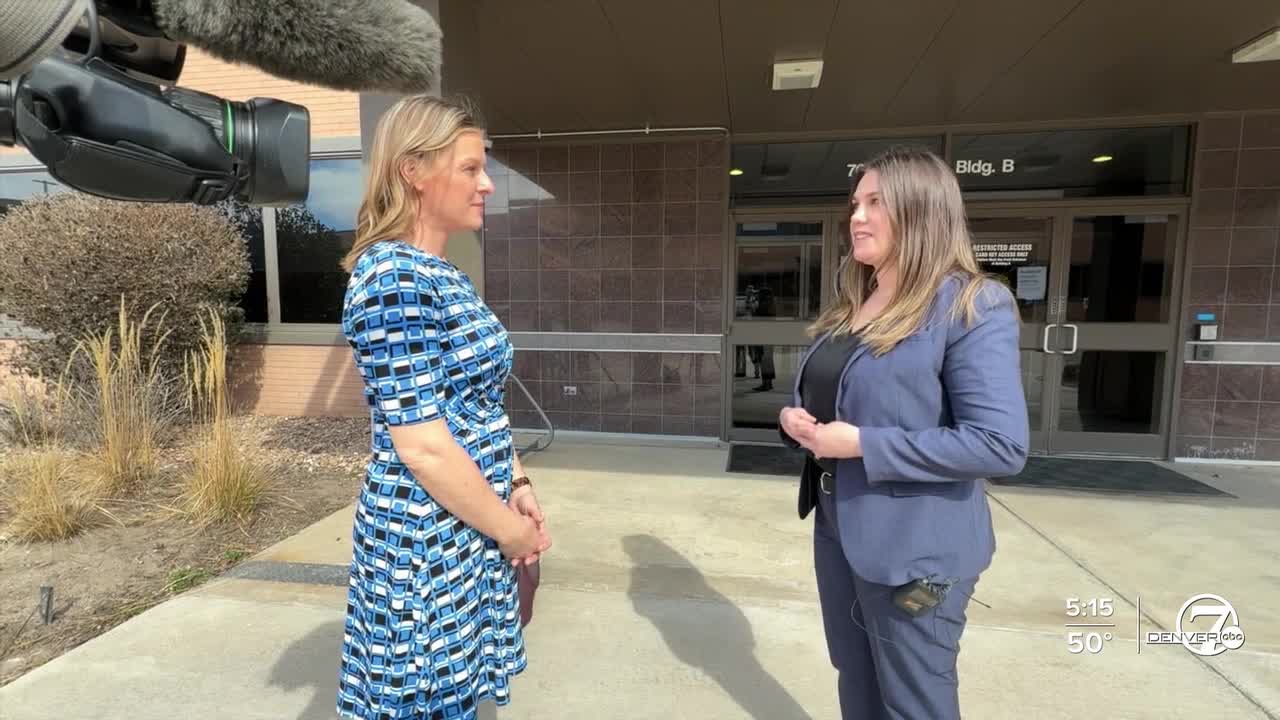
“The health department can only act within the authority that’s given to us by state law,” Calonge said to Denver7 Investigates ' Jaclyn Allen. “And currently, this is not in state law. So what has to happen is a new law has to be passed.”
Calonge praised the Board’s decision, saying it would “allow more individuals a route to getting a birth certificate that they deserve, which is different than what we had before the rule change” and promised that CDPHE will adjust its process to make sure applicants understand the new requirements.
Sherman said CLS will support clients in court if they are still denied their rights under the new rule.
Board members discussed judicial review during deliberations, saying Colorado should explore a legislative fix to add that process.

