



DENVER — Artificial intelligence has become a frequent topic at the Colorado State Capitol, with lawmakers discussing and passing dozens of bills to regulate the technology in recent years.
Now, a new tool built by the Center for Analytics and Innovation with Data (CAID) at the University of Denver (DU) is tracking not only all the AI bills in Colorado, but hundreds more across the country.
The dashboard known as the U.S. State AI Policy Tracker is free to the public, collecting information on the more than one million total bills being discussed by state lawmakers and compiling a list of AI-related legislation. Those AI bills are then shown in a searchable format, along with data on when and how often states are passing legislation to address the transformative and controversial tech.
PREVIOUS COVERAGE: Colorado lawmakers approve rewrite of landmark AI law addressing algorithmic discrimination
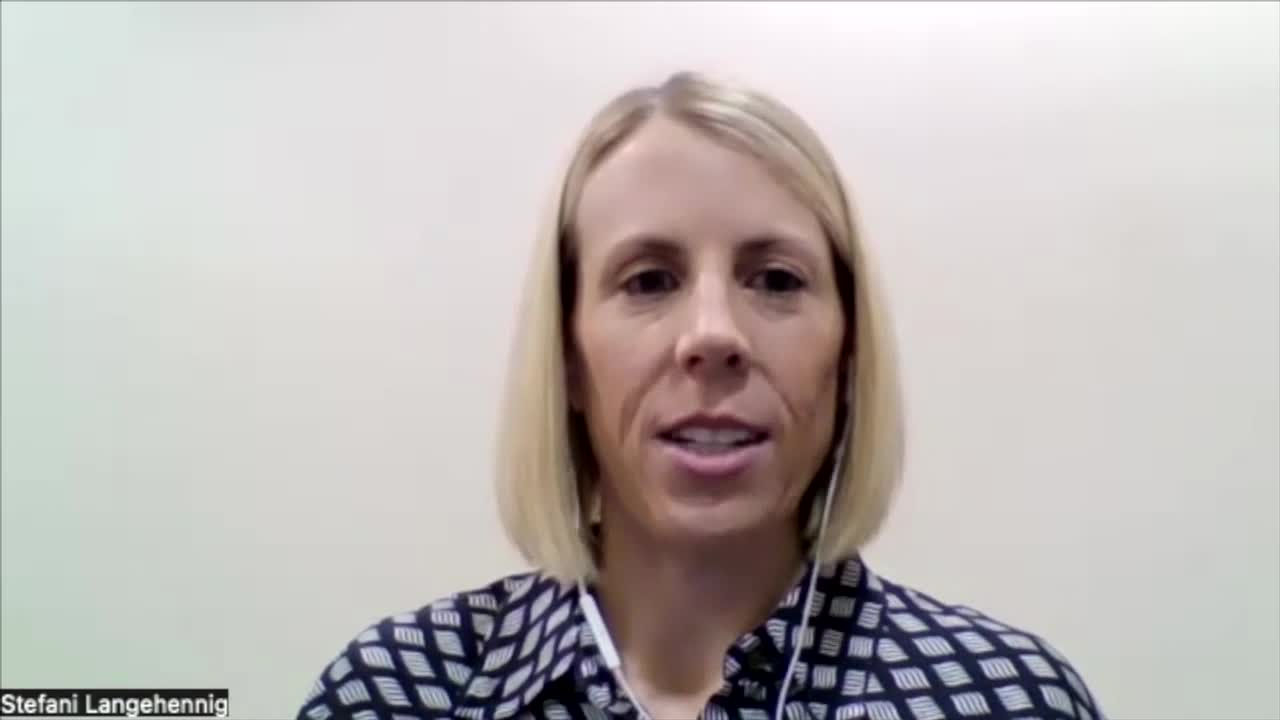
Assistant Professor of the Practice at DU Stefani Langehennig said the goal is for “people can see for themselves what their own states are doing.”
- Hear directly from Langehennig in the video player below.
“Congress hasn't passed comprehensive AI legislation, and the states have really become these laboratories of democracy or these places where it's happening,” she explained.
Langehennig acknowledges the tool also used AI to “clean” its code and make it “much more organized and much more accurate.”
“I think it's really important to be transparent about that,” she said. “We definitely use AI to help us out here, but I do also want to say that that comes with being very, very careful in validating what [AI has] done. My graduate assistants, who are working in our center, have been tremendously helpful with this, and just making sure that everything we want it to do is actually being done.”
While Langehennig said curiosity about the topic piqued her interest to build a way to track these discussions and new state laws, she said it’s also a practical issue for companies using AI operating across different states.
“AI policy is now what I consider to be business policy,” she said. “Companies that are operating in, say, five to 10 states, may face five to 10 states’ different AI rules, right? And that patchwork of laws is a real compliance challenge. And so I think just practically we need to understand what's happening here, and our students need to understand what's happening here. And our students are working on this tool… This is what I consider analytics in service of the public good, and that's sort of the whole reason I do what I do here at DU.”
Langehennig said the team has gotten thanks from lawyers and lawmakers in Colorado, as well as out of state, who say the tool makes it easier to track a torrential flow of legislation activity nationwide.
