


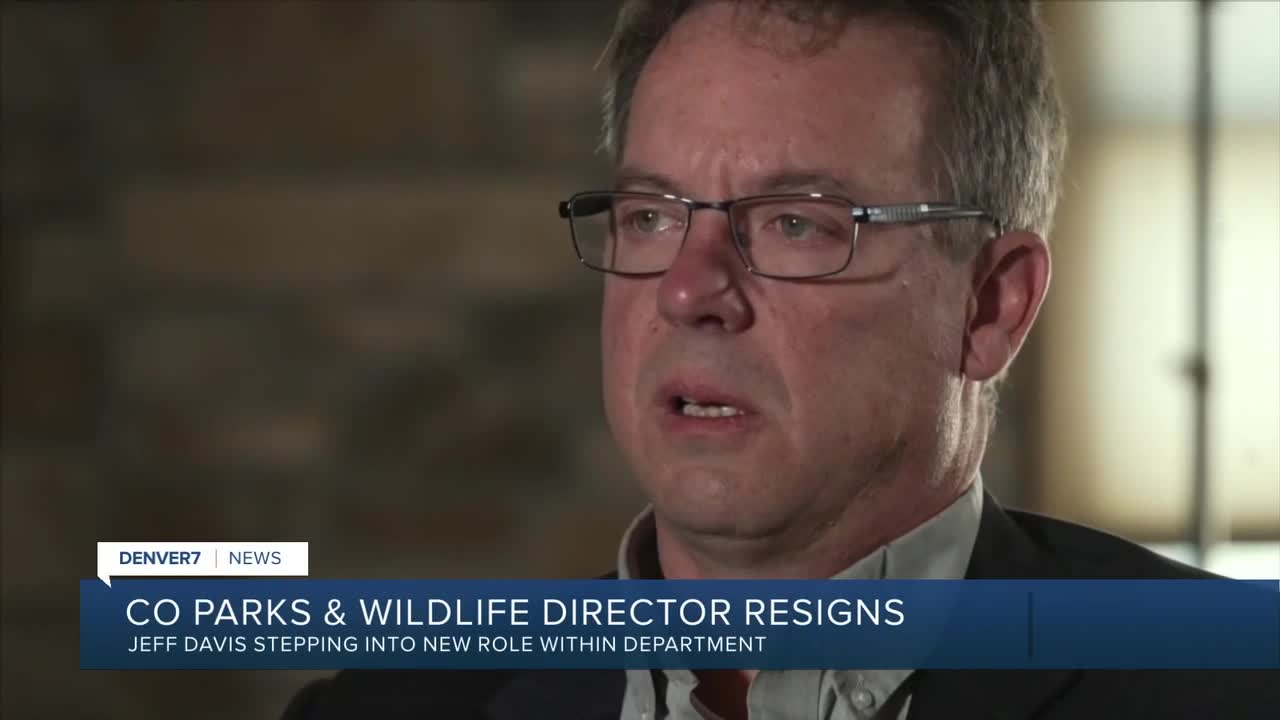


UPDATE | Jan. 7, 2026 — According to a letter from the Wyoming Game and Fish Department that Denver7 has obtained, Jeff Davis accepted a position as deputy director with the department and will start on Feb. 2. The letter is dated Dec. 19, 2025.
...
DENVER — The state’s top wildlife official in charge of overseeing Colorado’s highly controversial wolf reintroduction program resigned from his position late last month to avoid being fired, a settlement document obtained by Denver7 Wednesday shows.
Jeff Davis, now the former director of Colorado Parks and Wildlife (CPW), agreed on Nov. 22 to resign from his post beginning Monday with the understanding he would also be on paid administrative leave between Nov. 21 and Dec. 1.
The settlement document, obtained by Denver7 through an open records request, also stipulated that Davis would agree not to sue the state and would instead announce he would be “transitioning to new leadership.”
- Read the settlement agreement here or in the embed below:
Denver7 reported last week Davis had been named the senior policy advisor for strategic priorities at the Colorado Department of Natural Resources (DNR), a position he will hold through May 15, according to the settlement.
The six-page document does not lay out why Davis’ termination was sought by the state wildlife agency in the first place but does show both parties “wish to avoid the expense and vagaries of litigation, … without admissions of liability or wrongdoing.”
Davis had been director of CPW since May 2023, and told Denver7 not too long ago his second day on the job was the same day Colorado’s wolf reintroduction plan was adopted — a voter-mandated effort that defined his tenure at the state wildlife agency.
Since its approval, Colorado ranchers and rural communities have raised questions about the wolf reintroduction program — its flaws, its successes, and ways it can improve — all while looking to Davis for answers.
Following our reporting on several livestock kills by the Copper Creek Pack in Pitkin County over the summer, Davis told Denver7 it was important to him to sit down with ranchers affected by the reintroduction and listen to their lived experience.
"What's going on from their perspective? What solutions do they see moving forward? Because I think when we're people with each other, that's the best pathway forward," he said in July.
Watch Denver7's full interview with Davis about the state of the wolf reintroduction program in the video below, or read the transcribed Q&A here.
With Davis out as director of CPW, Major General Laura Clellan will step in to serve in an acting position while a formal search gets underway. Clellan is a retired adjutant general and executive director of the Colorado Department of Military and Veteran Affairs.
Previously, Clellan worked as chief for leadership and employee development in the U.S. Fish and Wildlife Service in Lakewood. She also worked for the U.S. Department of Veterans Affairs. She has more than three decades of decorated military service and several oversea deployments, according to CPW.
It's unclear how Clellan will work with the Trump administration on its third release of gray wolves in the state next month, after federal officials told Colorado in October to stop importing gray wolves from Canada as part of its reintroduction program and to look toward states in the Northern Rockies to help in those efforts instead.
Most of those states — including the Yellowstone region states of Idaho, Montana and Wyoming where wolves from Canada were reintroduced in the 1990s — have already said they don’t want to be part of Colorado’s reintroduction effort.
About 25 collared wolves now roam mountainous regions of the state and its management plan envisions potentially 200 or more wolves in the long term.


Denver7 is committed to making a difference in our community by standing up for what's right, listening, lending a helping hand and following through on promises. See that work in action, in the videos above.