

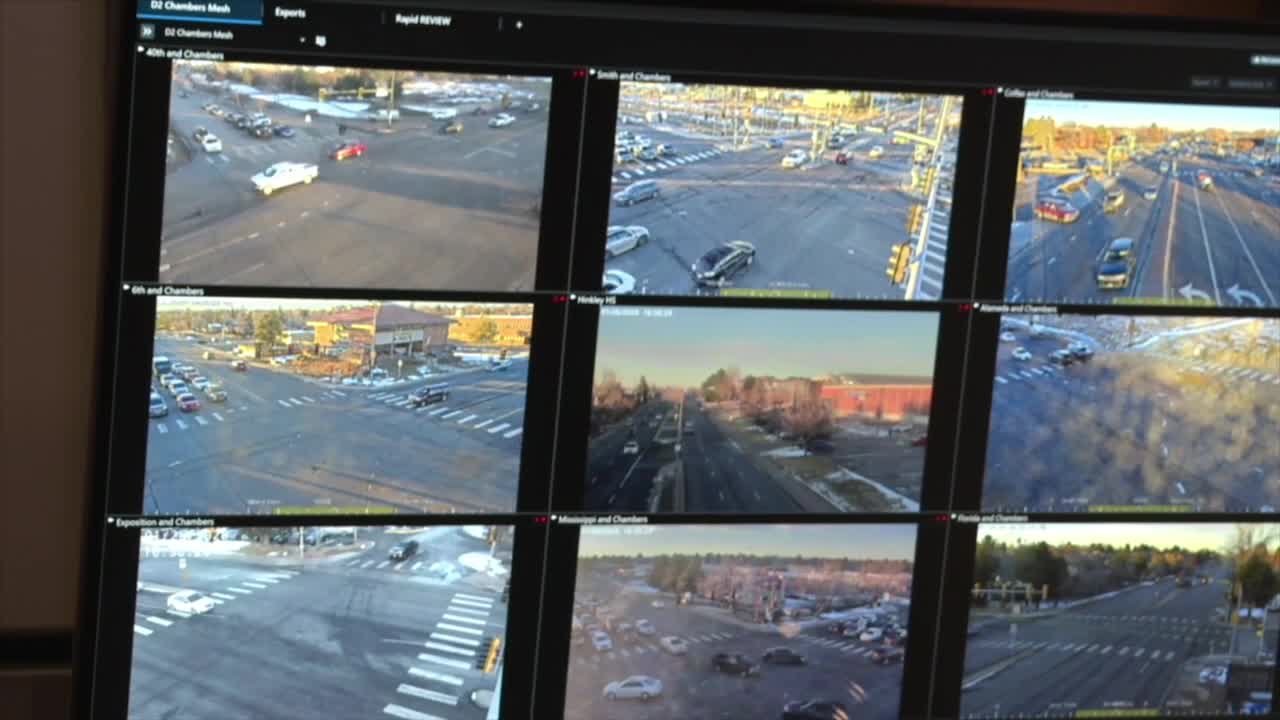


AURORA, Colo. — The Aurora City Council on Monday night approved an agreement between the Regional Transportation District (RTD) and Aurora police, which will allow APD access to RTD’s camera feeds in the city.
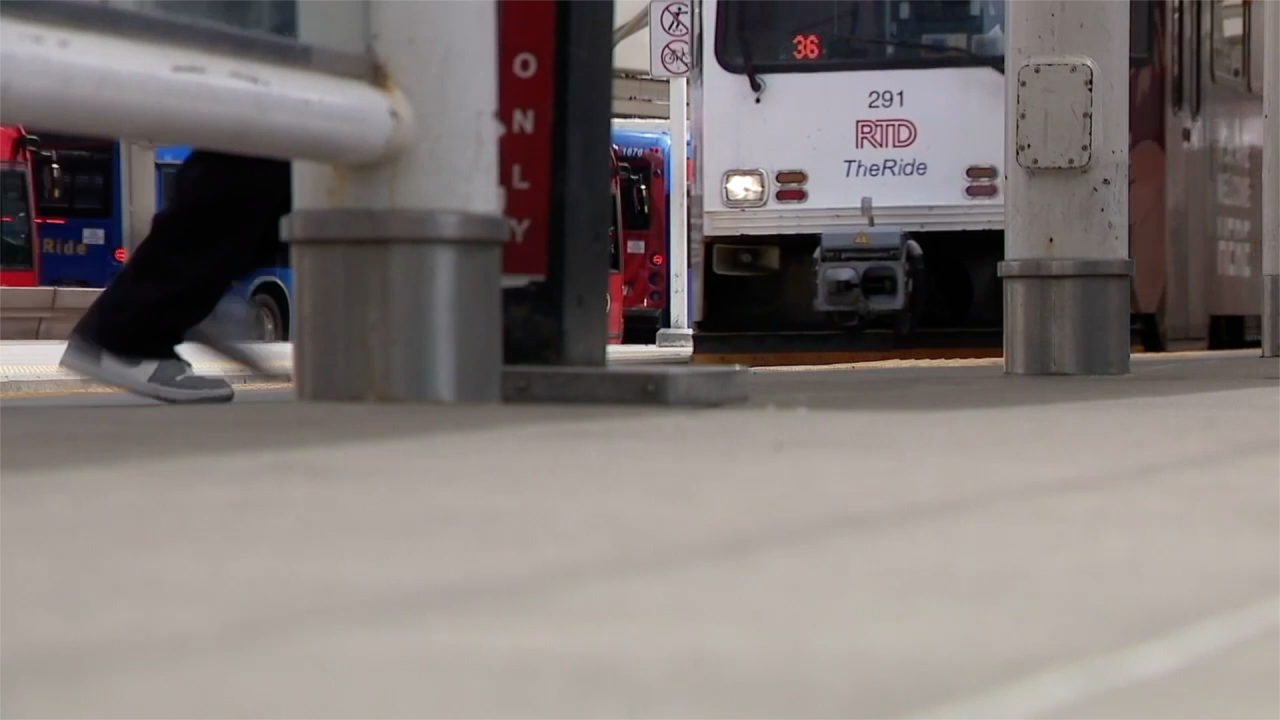
Those cameras are placed on RTD property, including dozens of bus and rail stations.
“We've never had to clear any hurdles with them providing that footage to us,” Aurora Sgt. Matthew Longshore told Denver7. “This is just one of those elements now that we actually have footage readily available to our investigators or our officers, in that real time… We would be able to view it live. We'd be able to go back 12, 24 hours to kind of view what happened previously.”
Longshore called the agreement an expansion of the agencies’ already strong partnership.''
“This is about public safety,” he said. “The more eyes we have in the community, the better.”
This is the latest example of Aurora police promoting technology as a potential solution to fight crime. In the fall, the department gained approval to use artificial intelligence facial recognition technology.
But that move and others, including the use of drones and automated license plate cameras known as Flock cameras, have sparked privacy and transparency concerns in Aurora and around the Denver metro.
PREVIOUS COVERAGE:
- Aurora Police Department says the future of policing has arrived with Real Time Information Center
- Thornton town hall brings community together to talk use of Flock cameras across city
- Denverites demand removal, bagging of license plate readers after mayor's contract extension
- Denver bans sharing of license plate reader data with the feds as part of five-month Flock contract extension
A public commenter from the Denver Aurora Community Action Committee spoke out against the AI facial technology and increased surveillance in general during Monday’s Aurora City Council meeting.
“You cannot impose surveillance technology on a community that does not trust you, and that distrust is earned,” she said. “How can we possibly trust APD with this tool when there is a non-zero chance they will share our faces and data with agencies like ICE?"
“You ask us to trust a pipeline of surveillance that leads directly to deportation and death.”
APD says the cameras are only meant to respond to 911 calls or to address broader crime trends.
“If you know, we have an increase in crime, or if there's something suspicious happening in the area,” Longshore said. “There's typically an audit log that's available on all of our cameras, so we can see who's viewing it and when. There are certain things in place to be able to make sure that officers are doing things specifically for certain reasons.
RTD sent Denver7 the following statement Tuesday regarding the agreement:
The Aurora Police Department approached RTD with a proposal to access hundreds of the agency’s video feeds in Aurora.
Since the Aurora City Council approved requesting access to RTD’s live video cameras that are in their city limits just yesterday evening, the agreement terms have not yet been finalized. However, it is anticipated that the parties will provide only limited access through on-site live viewing or on-site video playback.
At this time, discussions have taken place with other law enforcement agencies, however, there are currently no plans in motion to formalize other agreements.
Denver Police also sent Denver7 a statement, indicating it has discussed a similar video-sharing agreement with RTD.
The Denver Police Department has had conversations with RTD regarding a partnership that would allow DPD direct access to RTD cameras. DPD’s primary goal of the access would be enhanced real-time situational awareness during public safety incidents.


