



THORNTON, Colo. — Thornton residents gathered Wednesday night for a town hall meeting to discuss the use of Flock cameras in their community, weighing the benefits of crime-solving technology against privacy concerns.
The Colorado city joins the ongoing conversation about surveillance technology that has sparked heated debates across the country.
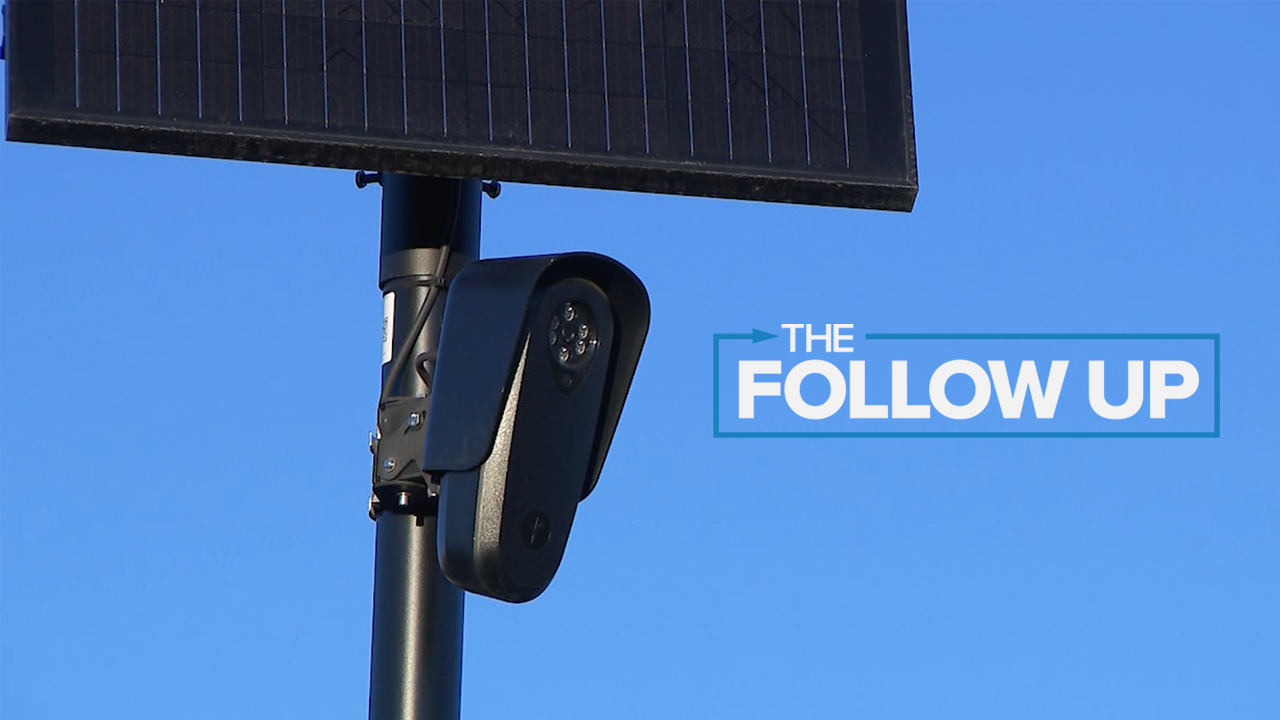
Thornton Police currently have 15 Flock automated license plate readers (ALPRs) stationed throughout the city, plus one mobile unit. While the department says these cameras help investigators solve crimes, not everyone in the community supports their use.
"How much do you want freedom versus safety?," said Thornton resident Steven Mathias.
For Mathias, understanding data protection measures is crucial if the city plans to continue to use the technology.
"I think we need to be really serious about data custody and integrity," he said.

Resident Meg Moore stressed the importance of community involvement when making decisions about the technology and how its used.
"We all have a right to have input into how we are policed, into where our tax dollars go," Moore said.
Read Denver7's previous coverage on Flock cameras in Denver:
- Denverites demand removal, bagging of license plate readers after mayor's contract extension
- Denver bans sharing of license plate reader data with the feds as part of five-month Flock contract extension
The town hall featured speakers from the American Civil Liberties Union (ACLU) and the creator of a crowdsourcing website, deflock.me, that tracks Flock camera locations across communities.
Several council members were also in attendance including Justin Martinez, who represents Ward I.
"My opinion is so far undecided," Martinez said, referring to Flock cameras.
On February 3, Martinez and other council members are expected to hear a presentation from Thornton Police about current camera usage.
Until then, those like Moore hope the community plays a major role in the future of Flock within their city.
"We've tried to create an environment here tonight where we can have that conversation, and we can meet each other at the same table, good faith conversation about something that impacts all of us," Moore said.


