

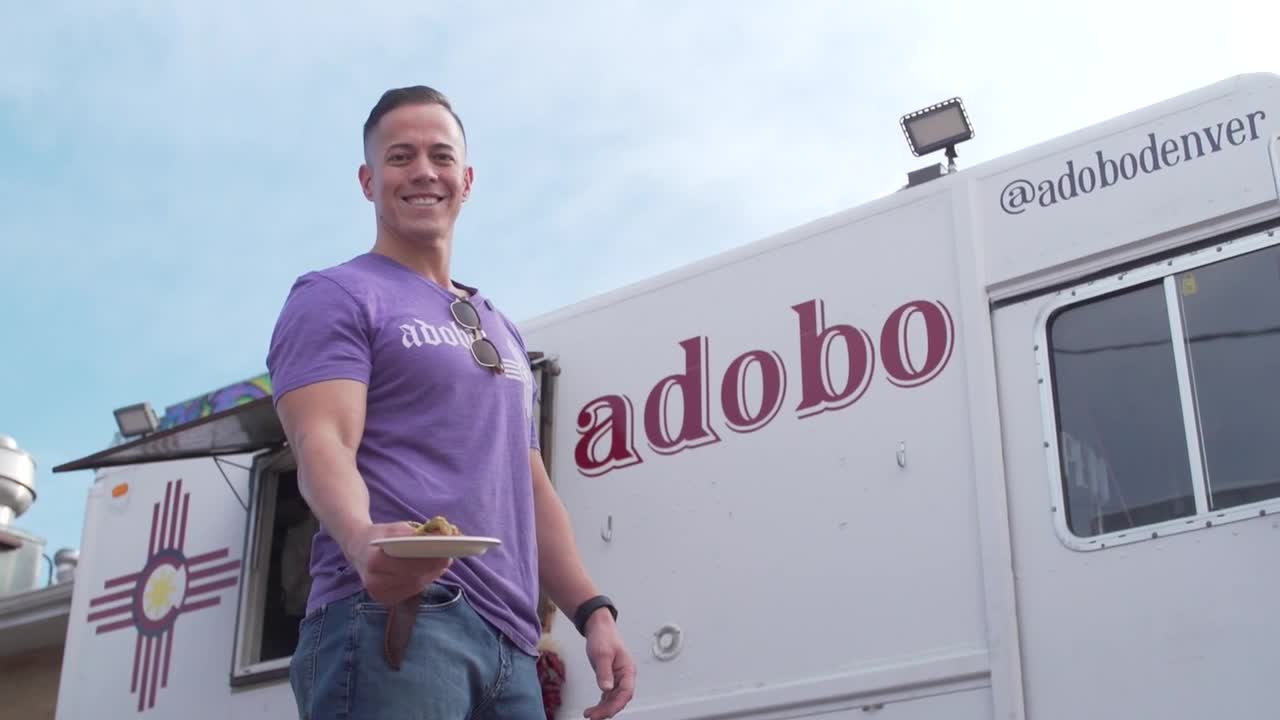


DENVER — Sharing food means sharing traditions — something Chef Blaine Beggao prides himself on doing every day at his restaurant ADOBO Denver.
“My grandmother made a lot of chicken adobo and raised seven kids. My mom made a lot of delicious food for my brother and me,” Beggao said. “I want to be able to make food, like I want to make my chicken like that.”
It’s no wonder Grandma’s Adobo Chicken Rice Bowl is one of the most popular items on the menu.
The restaurant opened its doors in 2022, but Baggao’s been slinging Filipino and New Mexican cuisine out of his food truck since 2017.
“We run around Denver with this food truck and serve weddings, private events, corporate events serving up green chili, some of my grandma's lumpia and lots of tacos,” he said.
You’ll find the ADOBO food truck popping up at various spots around Denver and Jefferson County, but Beggao said he's had to turn down bookings at events in places like Boulder County because of licensing and permitting restrictions for Colorado’s food truck operators.
“If you want to operate in Arvada, and then you want to pop over to Denver, and then maybe go up to Boulder — that's three different licenses and over $1,000 and several days of inspections,” he explained.
But House Bill 25-1295, which took effect this week, cuts through that red tape.
Any food truck operator with an active license and permit in one jurisdiction can now use the same licensing and permitting to operate in other cities and counties across Colorado.
The law requires local governments to honor those permits as long as the food truck provides copies to the local government whose jurisdiction they will be operating in at least 14 days before they start working there and meets basic health and safety standards.
Possession of a Denver retail food license also allows a food truck to operate in other jurisdictions as long as the truck complies with local laws.
“It removes a lot of costs, probably, for some folks that are trying to do a lot of different things,” Beggao said. “It's a 33% reduction for most folks who have two licenses. It's cutting the fees in half.”
It’s something Kristen Ayala experienced firsthand when she opened Mama's Empanadas a year and a half ago.
She and her husband came up with the idea after realizing there was a gap in the market for Puerto Rican cuisine.
“We couldn't find any Puerto Rican-style empanadas, and we were out on a night in Denver, and we're like, ‘Wouldn't it be fun to open a food truck here in Denver?’” she said. “We bought an old coffee cart in Parker and converted it.”
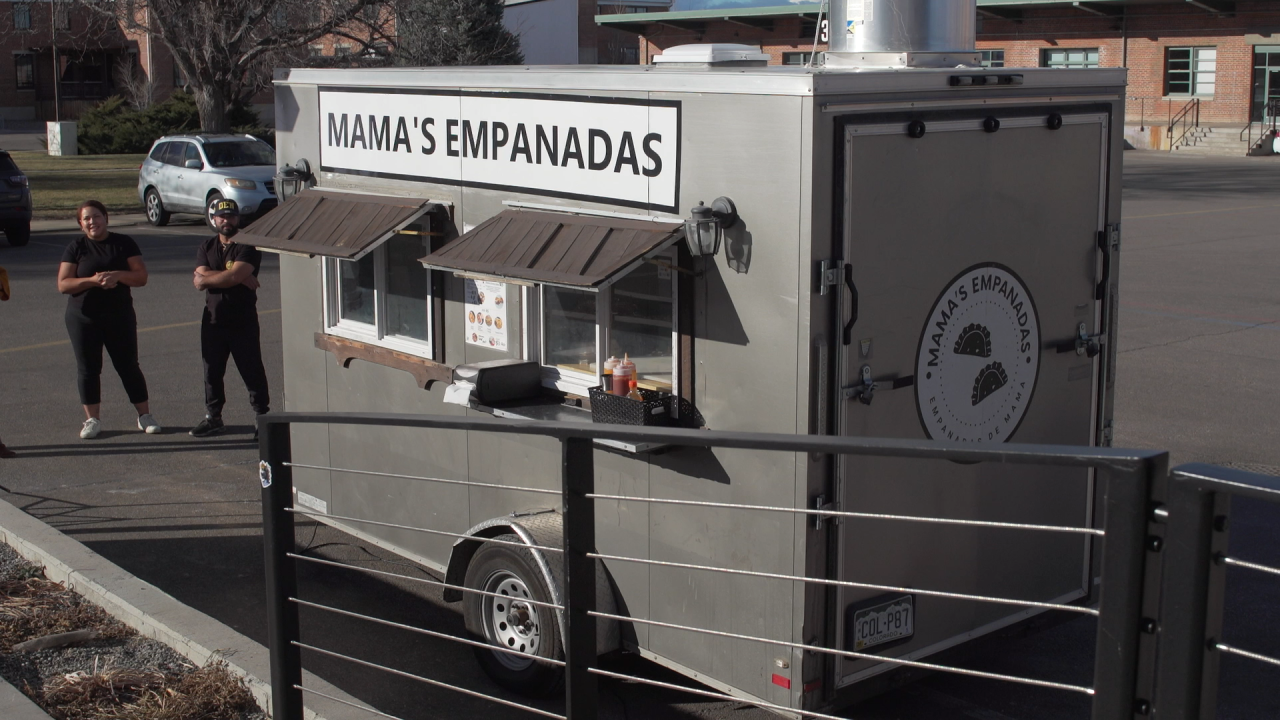
After three months, the first-time food truck owners finally completed the licensing and permitting process in Denver. Ayala said it came with a huge learning curve.
Attempts to operate in Arapahoe County have proved difficult thus far because of the different permitting rules.
“We have only worked in Denver County. That really kind of cut us off from a lot of business,” Ayala said. “There are about 40,000 people who are also of Puerto Rican heritage here, but most of them live in [the] Southern Colorado area. So, that really cut us off from a huge customer base that we could have supported.”
The new law means food truck operators like Ayala and Beggao can continue to share their love for food – and their heritage – with more Coloradans in the new year.
“We all need food for culture, community, to feel connected together,” Ayala said.


