

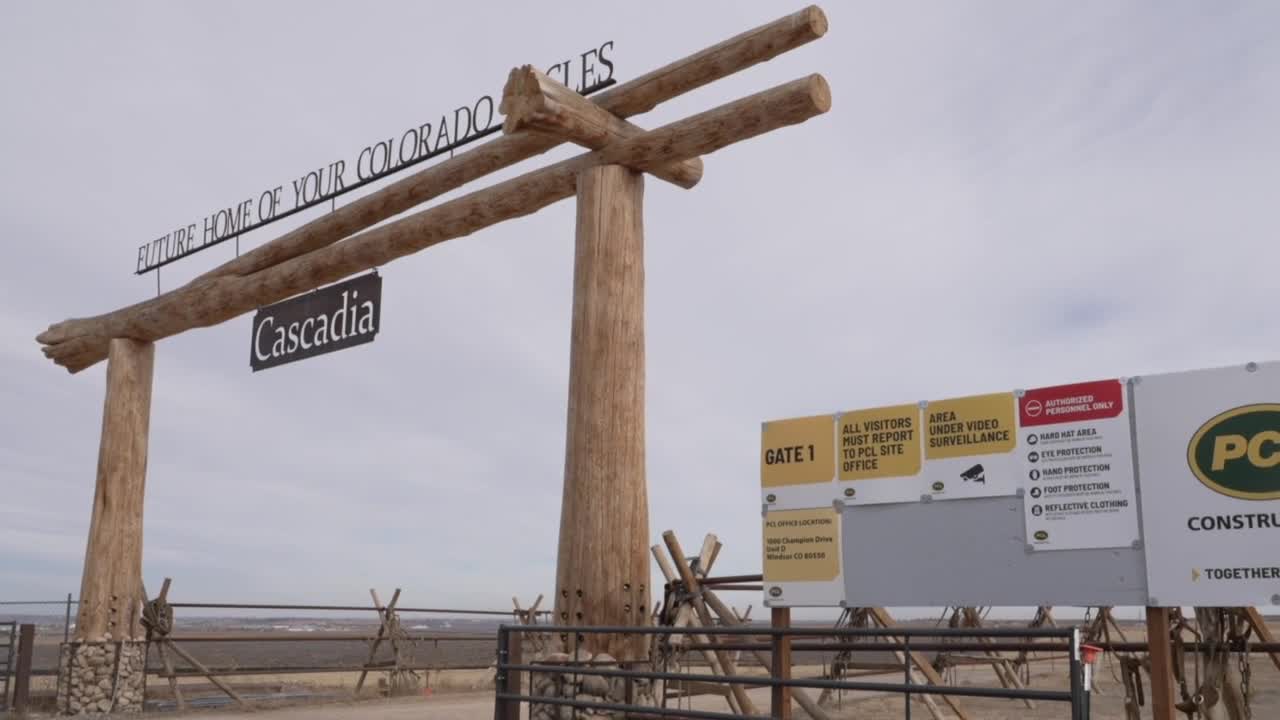


GREELEY, Colo. — The future of a proposed new home for the Colorado Eagles is uncertain after Greeley voters rejected a tax increase that would have helped pay for the project.
Ballot Measure 2F was rejected by nearly 70% of voters in last week's election, with 19,159 votes against and 8,229 in favor.
Denver7's Northern Colorado and Eastern Plains reporter Peter Choi has more in the video below:
The measure would have increased the city's sales and use tax by 0.6%, or 60 cents for every $100 in eligible purchases, excluding grocery food purchases. The additional revenue would have helped fund several city capital improvement projects, including a new arena for the Colorado Eagles.
Rhonda Solis, a Greeley resident who opposed the measure, said she wasn't surprised by the outcome.
"People's pockets are just kind of stretched right now," Solis said. "The fact that they thought that they could bring, you know, this tax and it be for 40 years was just not going to be popular at all."
Colorado Eagles owner Martin Lind said the election results sent a clear message to the team.
"To be honest with you, clear direction is clear direction," Lind said.
Lind said the organization does not plan to ask Greeley voters to reconsider the proposal. Instead, he said the team will wait to see what city leaders decide to do next.
The proposed arena site has already seen significant investment. Lind said about $80 million has gone into the project, including moving water lines and other site preparation.
Meanwhile, the City of Greeley said it respects voters' decision and will review the election results as part of its financial planning and capital improvement process.
“We also understand this was always going to be a difficult decision for voters, especially in the current economic environment. Our focus now is to make responsible choices, meet the City’s commitments and be clear with the community about the tradeoffs ahead," said Mayor Dall Hall.

America Votes
How Coloradans voted on the state’s 14 ballot measures in the 2026 election
The city also said it will continue directing most of its Quality of Life and Food Tax revenues toward payments for the Civic Campus and West Greeley Catalyst projects. That will leave less funding available for other capital improvements, including parks, recreation facilities and maintenance.
Lind said he is disappointed about the uncertainty surrounding the arena, particularly because of what it could mean for youth hockey programs in the community.
Solis said she still wants to see Greeley move forward but believes the city needs to address its existing debt.
She said residents may have to consider another tax proposal next year, one specifically focused on paying down debt rather than advancing the Catalyst project.
For now, the future of the Colorado Eagles' proposed new home remains uncertain.


