

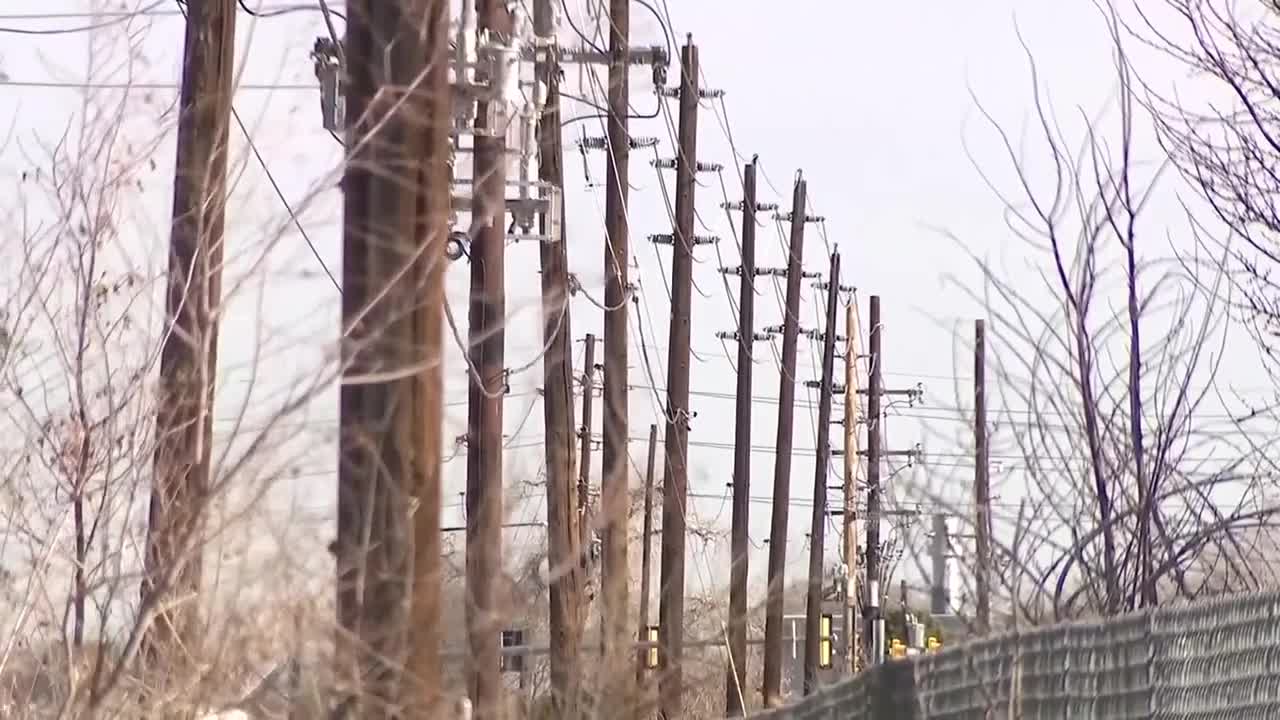


DENVER — The Colorado Public Utilities Commission this week considered establishing rules for investor-owned electric utilities regarding requirements for infrastructure resiliency and rules when a Public Safety Power Shutoff is in effect.
A Public Safety Power Shutoff (PSPS) occurs when there are extreme winds, low relative humidity, and very dry fuels. Denver7 has covered the frustrations from community members during the planned power shutoffs, and the impact it had on businesses.
The very first PSPS was implemented in April of 2024. There were two in December of 2025 in response to hurricane-strength winds whipping through the Front Range foothills, and another in January of this year across Larimer and Weld counties.
Watch the Full Story Below
Earlier this year, Denver7 got an inside look where a team of meteorologists help monitor wildfire conditions and help inform Xcel Energy when to turn off the power.
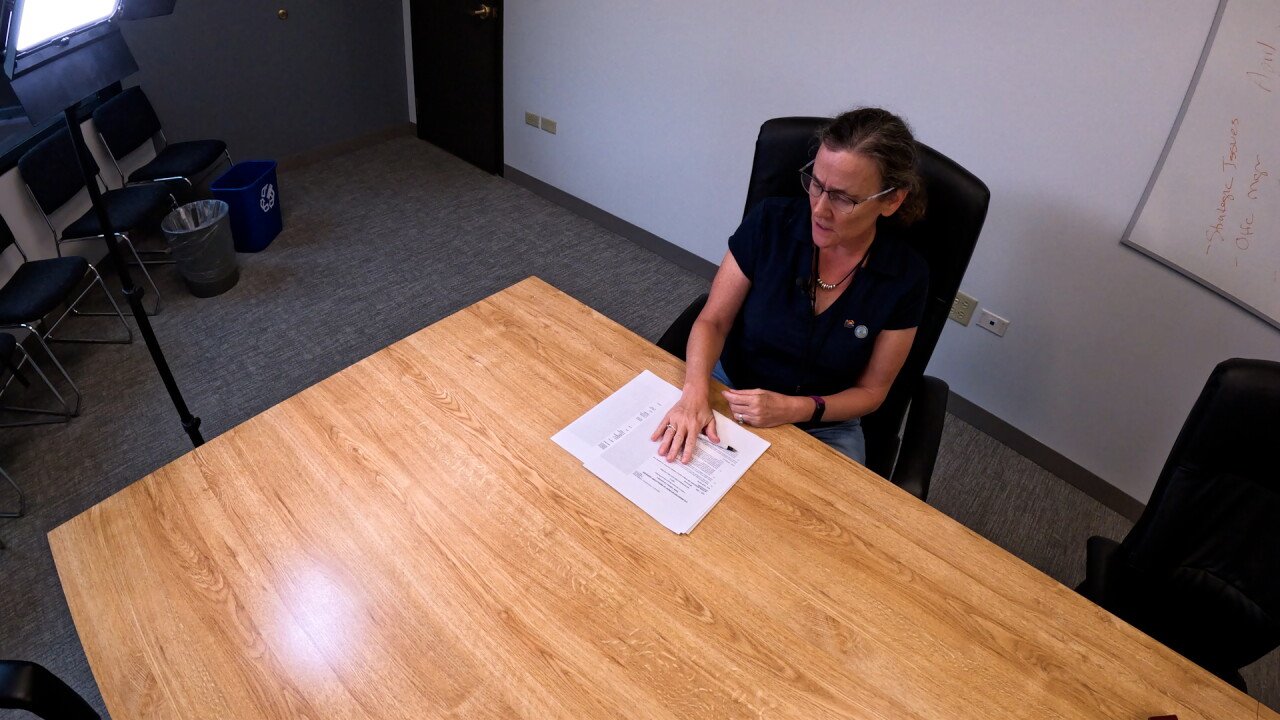
Erin O'Neill, the deputy director of fixed utilities at the Colorado Public Utilities Commission, explained there had not been rules in place as this was not an ongoing problem in our state compared to other western states. However, following the severe windstorm in 2024, it showed these severe conditions were hitting our state.
"We've done this a few times, some things gone well, some things aren't going well," said O'Neill. "Taking that pause to say what makes sense here, what does the population need to in terms of notifications and communications? What have we learned from the last couple of times?"
The proposed regulations focus on communication and coordination during a PSPS and would give customers updates every four hours during these shutoffs.
"I do feel like it's getting better, but you know, we're not there yet, right? The mapping hasn't been 100% accurate. The notifications, communications and people just not knowing and the utilities as well knowing what's the expectation that we're setting," O'Neill said.
Jon Bortles is the owner of Woody's Wood-Fired Pizza and experienced first hand the impact of PSPS this past winter. He said they have over 100 people on staff and it caused confusion on what staffing should look like.
"I think it was the 17th of December. Power never went off. So then we scrambled to get everyone back in. We said, 'Hey, you must have it wrong on your map here.' We never went out and they said, 'Great, you didn't go out last time. You're not going to go out for the second one.' So, we staffed, brought everybody in, sre enough, the power went out when we thought it was going to stay on," Bortles said.
During the December shutoff, Bortles said they brought in staff believing the power would stay on but ultimately had to close.
"The worst one was over the course of 3 or 4 days there in the latter part of December and the hard part about that is our staff is trying to make money to buy their kids Christmas presents, you know, it's the holidays. It's when we kind of make our money, especially the tip staff and they had to go without," Bortles said.
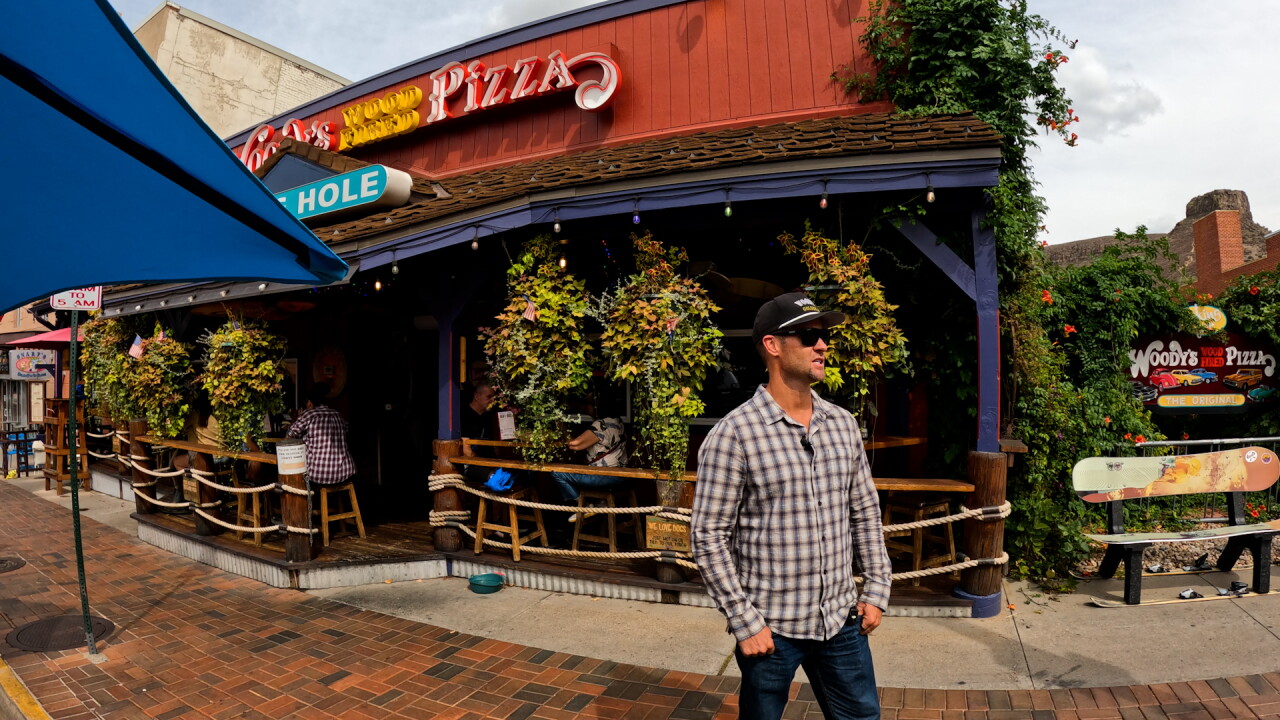
Bortles hopes for stricter rules and regulations during a PSPS along with financial compensation as the business misses out on sales and does not get paid for the losses.
"One thing that most people don't know is our insurance will cover a normal outage, so if the power goes out because of the wind, because of a downed branch, fire, whatever it is, insurance will reimburse us for lost sales, lost product. However, if Xcel decides to turn the switch off proactively, we don't get a dollar. Our insurance won't cover that," Bortles siad.
O'Neill acknowledged there has been 'a lot of frustration' during those power shutoffs and believes it will take more framework and structure to show everybody how it is 'supposed to work'
"This is a tool and the planning side of it should minimize the likelihood of needing this in the future, but that's going to take time right. So in the meantime just managing those expectations so people can plan around it and your family can understand this is how I might get impacted," O'Neill explained.
As for what's next, there is a public hearing scheduled for November 23. O'Neill said her team will be offer webinars for community members wanting to have conversations.
"Proactively shutting off power is a tool used solely to protect public safety, and one we do not use lightly. We consider weather, wind speeds, relative humidity, fuel moisture and temperature as well as critical customers and infrastructure before deciding to implement a PSPS. A PSPS is used when our other wildfire mitigation methods, like our Enhanced Powerline Safety Settings (EPSS), are not enough to sufficiently protect public safety.
Xcel Energy has a robust communications process to keep customers and communities informed before, during and after Public Safety Power Shutoff events.
Whenever possible, we start informing critical infrastructure customers, emergency managers and customers with medical needs 48 to 72 hours before a potential PSPS event and start communicating with all customers up to 48 hours before a potential event. We will decide whether a PSPS is needed up to four hours (or more if possible) before an event and send an updated phone call and/or email. We repeat direct communications at least once per day until all customers have their power restored.
We contact potentially impacted customers directly via phone calls, emails and text messages. If weather forecasts change and customers are no longer expected to be impacted by a potential event, we contact them directly. Customers can also find information on our Event Update webpage, on our social media pages and via press releases on our Newsroom website, and customers who call our Customer Care line have the option to listen to pre-recorded messages about a potential event.
Between PSPS events, we focus on building long-term awareness and preparedness through proactive education and community engagement. This includes participation in local community events, partnerships with emergency managers and community organizations, and the development of resources that help customers understand PSPS, plan ahead and stay safe. We also conduct targeted outreach campaigns, such as during National Preparedness Month (September), to reinforce key preparedness messages, ensuring customers are informed and better equipped well before critical events occur. Since 2020, we have invested nearly $1.5 billion in wildfire mitigation activities across the state.
Colorado customers in medium and high wildfire risk areas who are enrolled in one of our medical assistance programs can apply for a rebate of up to $10,000 for a whole home battery energy storage system. This system can help provide power for medical equipment during a PSPS and give customers more time to plan to get to safety when a PSPS is required. Customers can learn more about the rebate and eligibility requirements through this link [co.my.xcelenergy.com].
The rulemaking process is in its early stages, and we will review next steps once we receive the Public Utilities Commission’s written order. In the meantime, we will continue to work with the PUC and the community on our Public Safety Power Shutoff processes."


Denver7 is committed to making a difference in our community by standing up for what's right, listening, lending a helping hand and following through on promises. See that work in action, in the videos above.