



DENVER — For nearly 16 years, Abigail Colon said she lived like a “ghost.”
“It’s like I exist, but I don’t exist,” she told Denver7 Investigates in a previous interview. “That’s why I kind of feel like a ghost.”
Born in Woodland Park, Colon’s birth was recorded in her family Bible, but not with the state of Colorado.
Without a birth certificate, she said she could not legally drive, get married, work most jobs or fully participate in everyday life.
Now, after years of fighting the state and a major change to Colorado’s delayed birth certificate rules, Colon says she finally has the document she spent years trying to obtain.
“It didn’t feel real at first,” Colon said during a recent Zoom interview while holding up copies of her birth certificate. “I’ve waited so long.”
WATCH FULL STORY HERE:
Denver7 Investigates first reported on Colon’s case in September 2025 while examining what advocates called Colorado’s unusually strict delayed birth certificate rules.
At the time, Colorado required applicants seeking delayed birth certificates to provide at least one document created before their 10th birthday. Advocates argued that requirement effectively created a “lifetime bar” for some people born in remote areas or raised in isolated communities where records were never created.
Colorado Legal Services began representing Colon in 2022.
“We received a referral from Georgia Legal Services for Abigail’s case in February of 2022,” said Casey Sherman, supervising attorney for the ID Project at Colorado Legal Services. “September 15th [was] the four-year anniversary of the first time CDPHE denied Abigail’s birth certificate application during our representation.”
Denver7 Investigates found Colon was not alone.
Earlier this year, after months of scrutiny, the Colorado Board of Health unanimously approved a rule change.
Instead of requiring a document created before a person turned 10, the new rule requires at least one document that is 10 years old at the time of application.
Sherman said the new standard made the difference in Colon’s case.
“Abigail was approved,” Sherman said. “We were able to get her birth certificate because the oldest record we had for her was from age 11 instead of age 9, as they required.”
Colon’s appeal had already reached the Colorado Court of Appeals before the rule changed.
“We agreed to a stay with AG’s office pending review of Abigail’s materials under the new regulation,” Sherman explained.
Now, Colon says her life is beginning to change in ways both big and small.
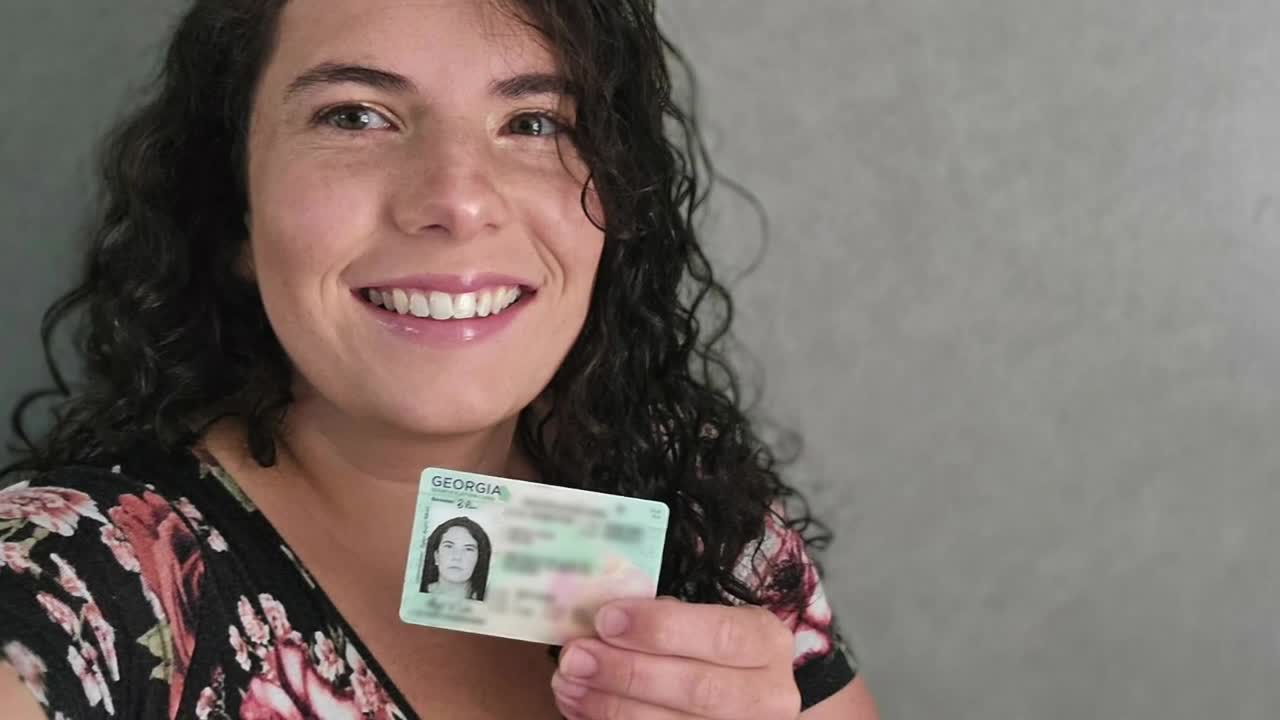
“Yes, I got a driver’s license,” she said. “I am no longer depending upon anyone to drive. I did get my social security number after a little hassle, and then now I’m working on credit and fixing to study for my GED.”
“It’s opened a whole lot of doors,” she added.
Colon also recently became a mother again while still trying to resolve her legal identity issues.
She told Denver7 Investigates she is still dealing with paperwork complications involving her youngest child because she gave birth before obtaining legal identification herself.
Still, she says finally having identification has changed what daily life looks like for her family.
“As a mom,” Colon said, “structure, something like I can start building on that I can take my kids to after school programs and be able to take them to and from school if need be.”
She also plans to do something she said she was previously unable to do legally: get a fishing license.
“I will be getting my fishing license this week,” Colon said.
“A lot of people take it for granted because when they’re born, they already have these things,” she said. “Living life without them, and then just getting them — it’s like, oh, now I have to do all the work to build up.”
Colorado Legal Services says the new rule change is already helping clients, but argues significant barriers remain.
“This rule, while it does help a lot of people, still leaves Colorado as one of the strictest states in the country to get a delayed birth certificate,” Sherman said.
Unlike many states, Colorado still does not provide a judicial review process that would allow a judge to weigh all evidence and determine whether someone should receive a delayed birth certificate.
“CDPHE still has the final say on whether a delayed birth certificate should be issued,” Sherman said.
CDPHE previously told Denver7 Investigates that any judicial review process would require action from the Colorado legislature.
“The health department can only act within the authority that’s given to us by state law,” CDPHE Chief Medical Officer Dr. Ned Calonge said earlier this year. “And currently, this is not in state law. So what has to happen is a new law has to be passed.”
Still, state officials say the recent rule change is already having an impact.
CDPHE told Denver7 Investigates it has received 49 delayed birth certificate applications since the new rule took effect April 14, compared to 27 during the same period last year — nearly double.
The department says it has approved 11 delayed birth certificates so far, denied one application and the rest remain pending.
“The rule change is helping us achieve our goal, which has always been to help individuals obtain their delayed birth certificate while still following the law and doing all we can to prevent fraud,” CDPHE said in a statement.
For Colon, the change means something more personal.
When asked what it means that Colorado changed its policy after hearing stories like hers, she replied: “It means a lot. It means that a lot of people who are in my shoes now have the opportunity to get their birth certificates and have that fresh start.”
And after years of feeling invisible, she says she finally feels recognized by the state where she was born.
“Legally,” Colon said with a laugh, “I’m a real person now.”

