



DENVER — Housing challenges are top of mind for Coloradans and the University of Denver has a new initiative working to create sustainable solutions for communities.
The university recently launched its Center for Housing Research and Innovative Solutions — a new hub that will tackle issues from affordability to building new homes, depending on what specific challenges a community is facing, using research, policy evaluation and education. The center aims to serve the whole Rocky Mountain West Region eventually. Program staff said right now, they are focusing on Colorado and hope to continue to build it to include more geographical areas and more researchers from peer institutions.
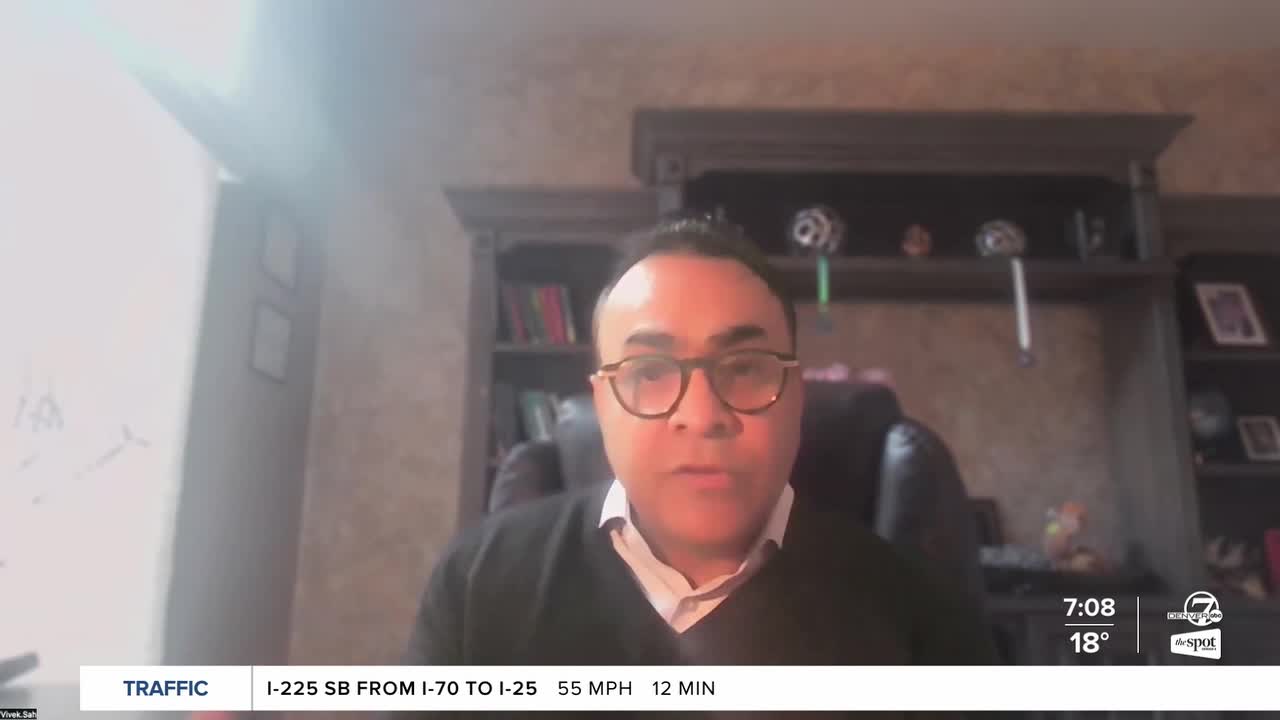
“This center was much needed that covers the entire spectrum of housing, and not just focusing on affordable housing, but it's much bigger than that in creating something that would help build sustainable communities and tackle issues that are not just today [..]but down the road,” explained Vivek Sah, the director of DU’s Franklin Burns School of Real Estate and Construction Management in the College of Business.
Susan Daggett, the executive director of DU’s Rocky Mountain Land Use Institute, said this hub has been in the works for years.
“From those years of conversations, it became clear to us that there was a need for data and for empirical analyzes, or data driven analyzes of what policies work and what policies don't work,” Daggett said.
Daggett and Sah said one of the reasons this new center is so important is because it is common for researchers to use data from other states and apply them here in Colorado.
“The state is taking all kinds of actions to try to improve affordability, policy actions as our local governments, oftentimes without, oftentimes based on data from California or New York,” Daggett said. “We use our policy levers, we should make sure that they're policy levers that actually are resulting in the outcomes that we want, and we're going to do a lot better job of that if we're basing it on data from Colorado, not data from California.”
Daggett added that the hub will be an information site where all the data will be housed, including reports from the team findings and curated information for the public.
“I think that is really more the most important takeaway is that there is a. Resource that's available now,” Sah said. “Whether it's the policy maker, whether is the average person, whether it's investors, whether it's developers, whether it's home builders, all of those, whether It's a lender, where they're utilizing this. This the center as a as a resource to get information, to get data, without having to rely on private parties where that information, or that data is, is biased towards what they're trying to sell."
Both emphasized that this hub will not only tackle the housing challenges of today but will also help researchers look ahead to work on solutions for the future.
“The environment that we live in, not just the physical environment, but the economic environment, the demographic environment, is changing all the time,” Daggett said. “I hope that this center will be an a place of innovation, a place that is trying to foster thought leadership, that's bringing together people who are forward looking, who are anticipating what the challenges will be in the future, and trying to answer the questions that we need to answer now in order to set the stage for the type of development that we want.”
With the research aspect also comes an educational aspect for members of the community.
“I feel that it is pretty powerful. Is educating the community on aspects around home buying," Sah said. “The do's and don'ts of home buying, whether it's on the lending side, mortgages again become sometimes tend to be those kind of questions, whether it's on budgeting side or whether is on what should be you should be looking at when you're doing your first home purchase."
Staff at the university said there are already centers focused on the unhoused population or other specific areas of housing, but this hub is the first center dedicated to all the issues surrounding housing in Colorado.
As for next immediate steps, Daggett said they will be hiring three staff members over the next couple of monthS and figuring out administrative pieces.
Daggett also mentioned they do have research projects they are in the beginning stages of and will be developing those projects over the next year.

