



DENVER — Denver Department of Public Health & Environment (DDPHE) shared overdose numbers for 2025 and the numbers show it's gone up compared to 2024.
There were 2,475 non-fatal overdoses in 2022. That increased to 3,029 in 2023. Then the numbers dropped to 2,620 in 2024 before surging again to 3,177 in 2025.
That same trend applies to overdoses where opioids may have been involved.
When you look specifically at overdose deaths, the latest numbers from 2025 show 419 confirmed overdose deaths, up from 344 in 2024.
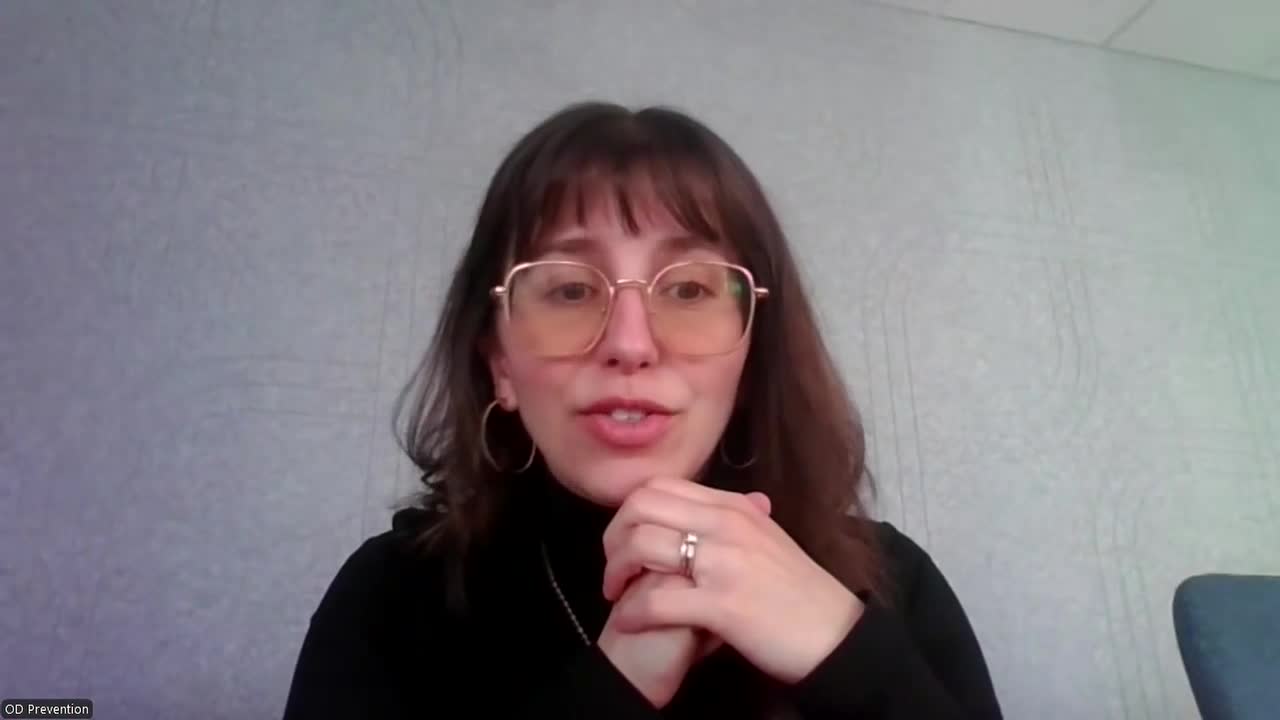
Denver7 asked DDPHE's Overdose Prevention and Education Program Coordinator Ally Arnaiz why that might be.
"When you see the drug supply change, and then an increase in the potency, that puts people at really high risk," Arnaiz said. "So yeah, kind of two things happening at once, a change to the drug supply, and then also just an increase in poly substance use."
"We also are right along the I-25 corridor," Arnaiz added. "We also see trends kind of slowly move in from east to west to Colorado, or, this area of the country."
Arnaiz said that can mean trend happening on either coast can take time before reaching Colorado and change the trajectory of overdoses in the city.
Lisa Raville with HARM Reduction also agreed that she is worried about the unregulated drug supply as one of the factors. She's long warned that that idea of arresting your way out of this problem will not work.
Raville has previously flagged concerns about legislation that advocates say is designed to fight the opioid crisis. However, Raville has argued it could have the opposite effect by emphasizing arrests over access to treatment and resources, and make people afraid to call 911 for help.
Experts have also said while there are on-going efforts to increase access to help and treatment, that is still a barrier.
The city wants to let people know they can now get free naloxone, which can reverse an overdose, at Denver Public Libraries.
This data will be shared with city leaders, like city council and the mayor's office.

