

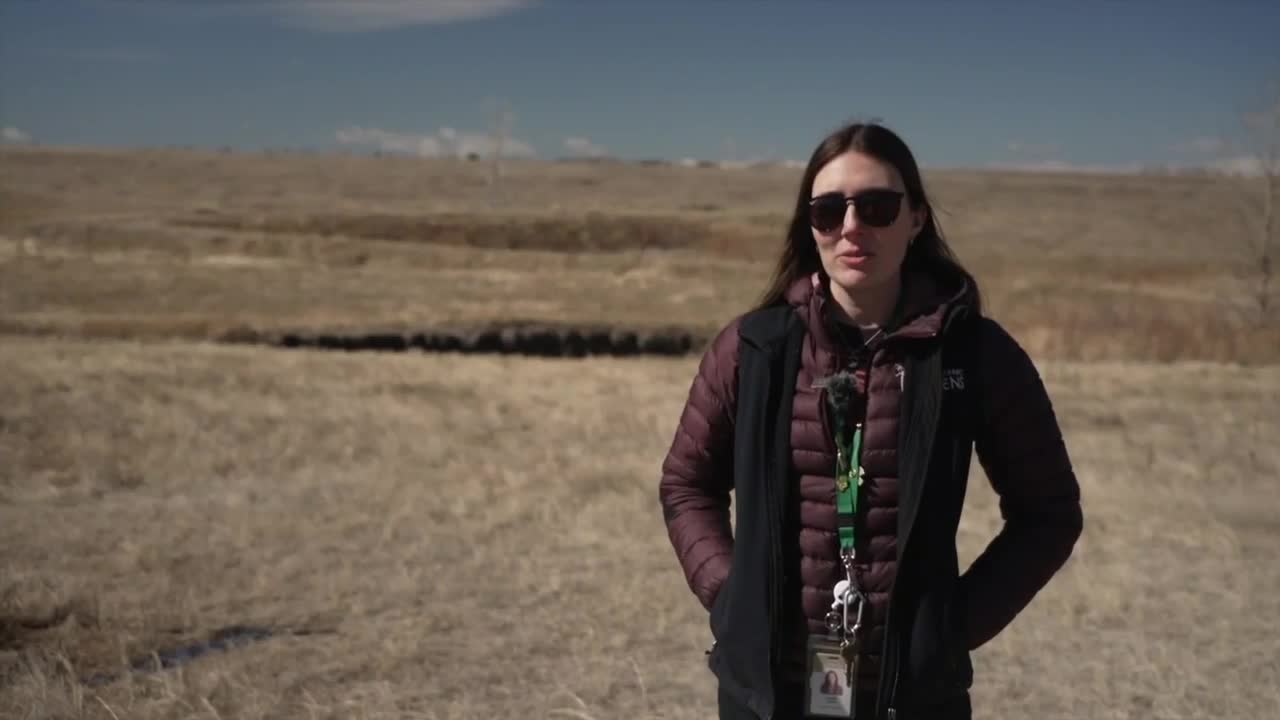


AURORA, Colo. — The wide, rolling grasslands at the Plains Conservation Center offer more than a view away from the Rockies. They’re a classroom for thousands of Colorado students and a living reminder of the region’s natural and cultural history.
The 1,100-acre site is managed by the City of Aurora in partnership with the Denver Botanic Gardens. It's home to restored and disturbed prairie, about 75 pronghorn, abundant prairie dog towns, and migratory birds, according to Associate Director of Education for the Denver Botanic Gardens Katelin Gaeth. She said the center hosts field trips about four days a week, reaching some 3,000 to 4,000 students annually. It also hosts educational programs, scout activities, overnight stays and family workshops.

“The prairie is an incredibly diverse ecosystem,” Gaeth said. “It gets forgotten about a little bit. It doesn’t have the same photo majesty as the mountains… but there’s so much going on if you look a little bit under the surface.”
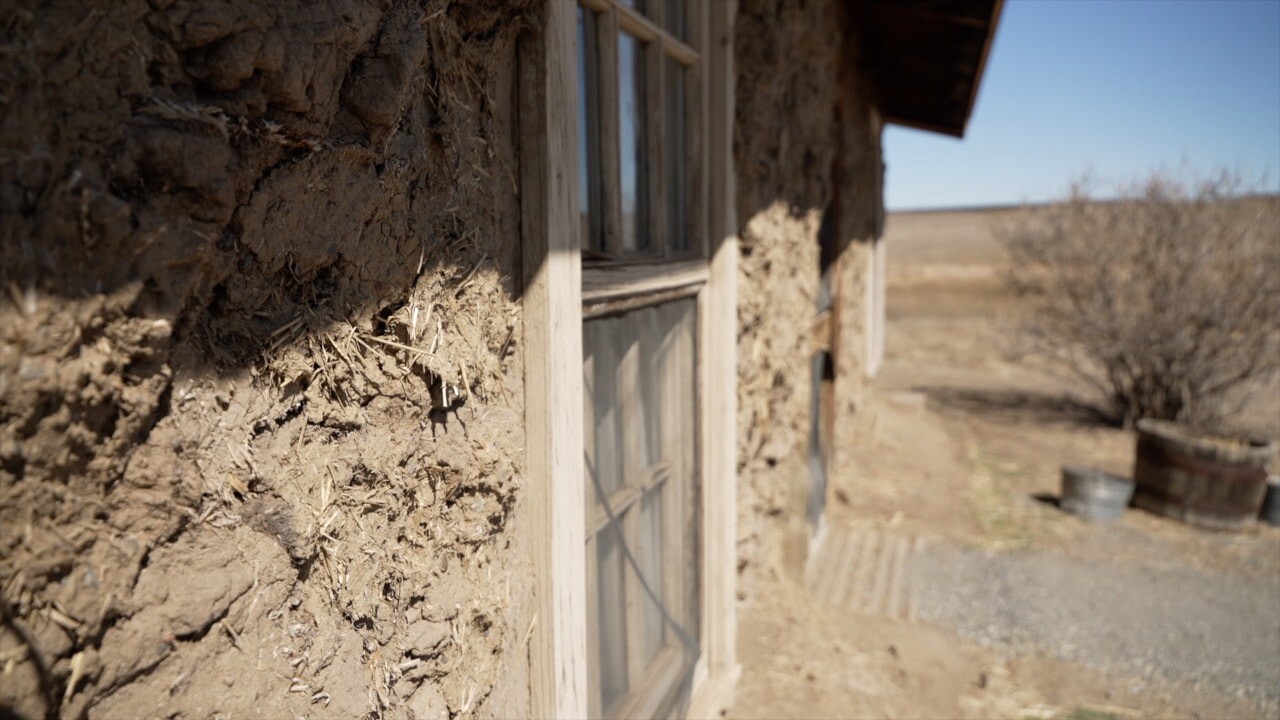
Visitors can explore replica homestead buildings that show how 19th-century settlers adapted to prairie life, including a sod homestead and an heirloom vegetable garden that grows varieties from seeds used in the 1800s.
The center highlights indigenous stewardship as well. A Cheyenee, Arapaho, Lakota and Kiowa tepee camp is erected in early spring to acknowledge the peoples who cared for these lands for centuries.
The Plains Conservation Center is free to visit as an open space. Programming fees apply to guided activities, including wagon tours which run about $15 per person. There are also lower-priced options and seasonal events such as full-moon hikes and equinox programs.
“I absolutely love it out here,” Gaeth said. “As soon as I see the prairie, I think, ‘Ah, I made it.’”


