



DENVER — A city-led program is urging Denver restaurants to cut food waste through a 12-week challenge that offers free help, which could boost tight restaurant profit margins.
The Denver Department of Public Health and Environment (DDPHE) started the original Denver Restaurant Food Waste Challenge in 2019. The program stopped during the COVID-19 pandemic, but just began again in the fall of 2025. After a huge success with businesses like Restaurant Olivia, they’re looking for participants for a cohort that begins February 2.
Participants receive on-site technical assistance, operational audits and a customized action plan to reduce waste. The business that accrues the most points by hitting food waste goals throughout the competition wins bragging rights and social media exposure, but every participating business will learn how to reduce food waste as well as business costs.
“We estimate that about 30% of food that is produced in the U.S. is wasted,” Lesly Baesens, food waste program coordinator for DDPHE, said. “We literally go in the restaurants and look at their operations, ask them some questions about, ‘where do they see currently waste occurring?’”
The program’s team visits kitchens, pinpoints where food is wasted,and helps restaurants choose changes that fit their operations. Common pitfalls are overproduction either in the front or back of house, throwing away vegetable trims that could be used in other foods and buying food for a special menu item that people didn’t order.
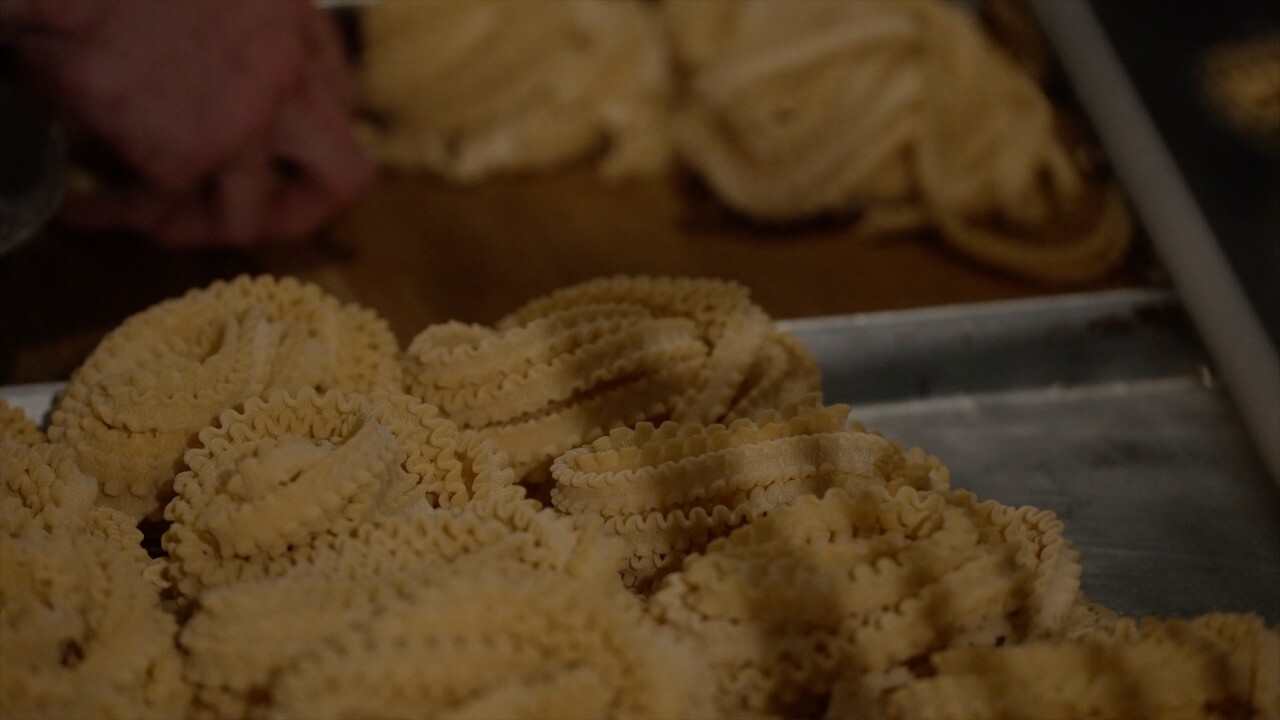
Restaurant Olivia, a pasta-focused Denver eatery, won the challenge last year after its team reworked pasta recipes to use whole eggs instead of just yolks, saving an estimated $7,000 to $8,000 per year.
“When you count it as a whole year, you’re like, ‘oh, wow, it could make a big difference,’” Paula Thomas, the restaurant’s director of sustainability, said. “In the hustle of running a restaurant, there's just so much going on, and people have to try to make the margins, which are very small. So, then it's just like, ‘let's do it the way it's always been done.’”
Restaurant Olivia is also finding creative uses for peels, seeds and pulp by fermenting them in the basement. Ingredients are turned into miso, powders and oils used for drinks and menu items.
“Once you’re a little more intentional with the ingredients, they start finding a second life,” Thomas said. “How can we be a better example? How can we reverse what restaurants have normally done? We’re looking for ways to constantly be better, constantly trying to do the opposite of what normally we would do as a restaurant.”
The next cohort for the Denver Restaurant Food Waste Challenge starts on February 2. Anyone who's interested can click here to apply online.

