

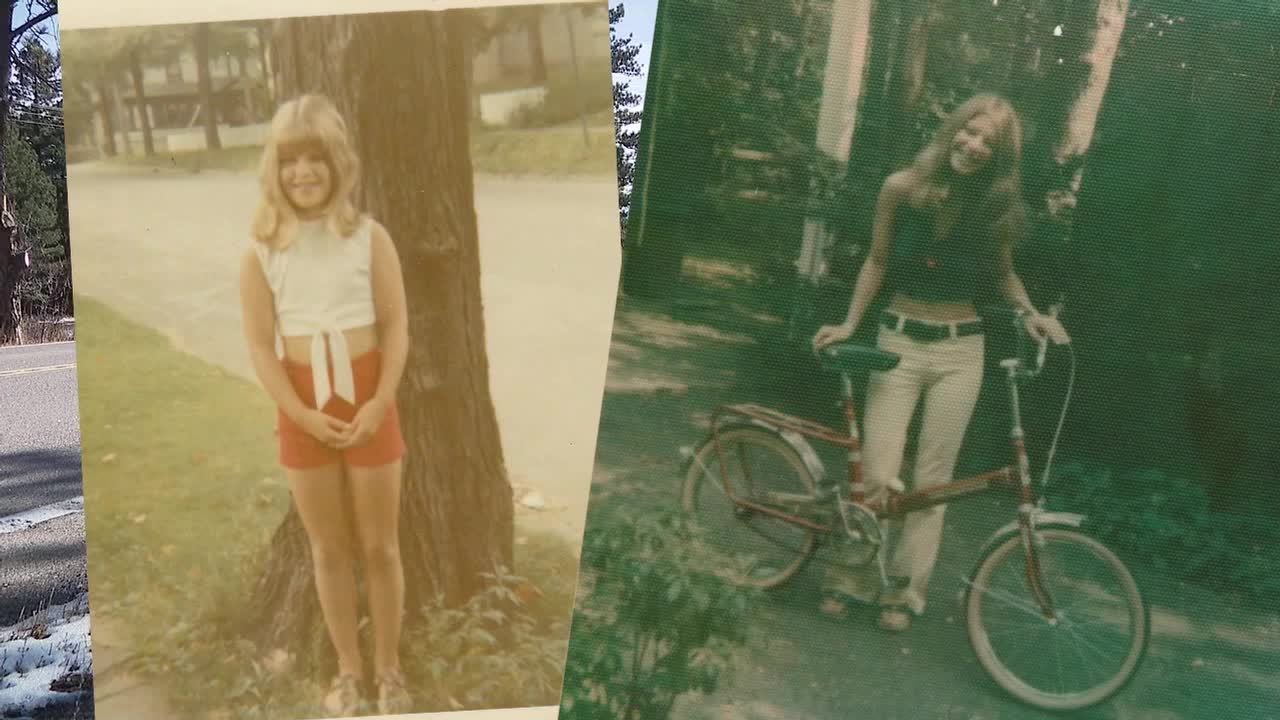


DOUGLAS COUNTY, Colo. — A nearly 40-year-old cold case has been solved in Douglas County, and investigators are pointing to one of the most "prolific serial killers" in Colorado as the culprit.
The Douglas County Sheriff's Office (DCSO) held a press conference on Tuesday morning to announce a major update in the 1987 homicide of 30-year-old Rhonda Marie Fisher.
“Rhonda was a mother, she was a daughter, a sister, a cousin, and a niece," DCSO Sheriff Darren Weekly said. "And her family members have waited nearly four decades for answers.”
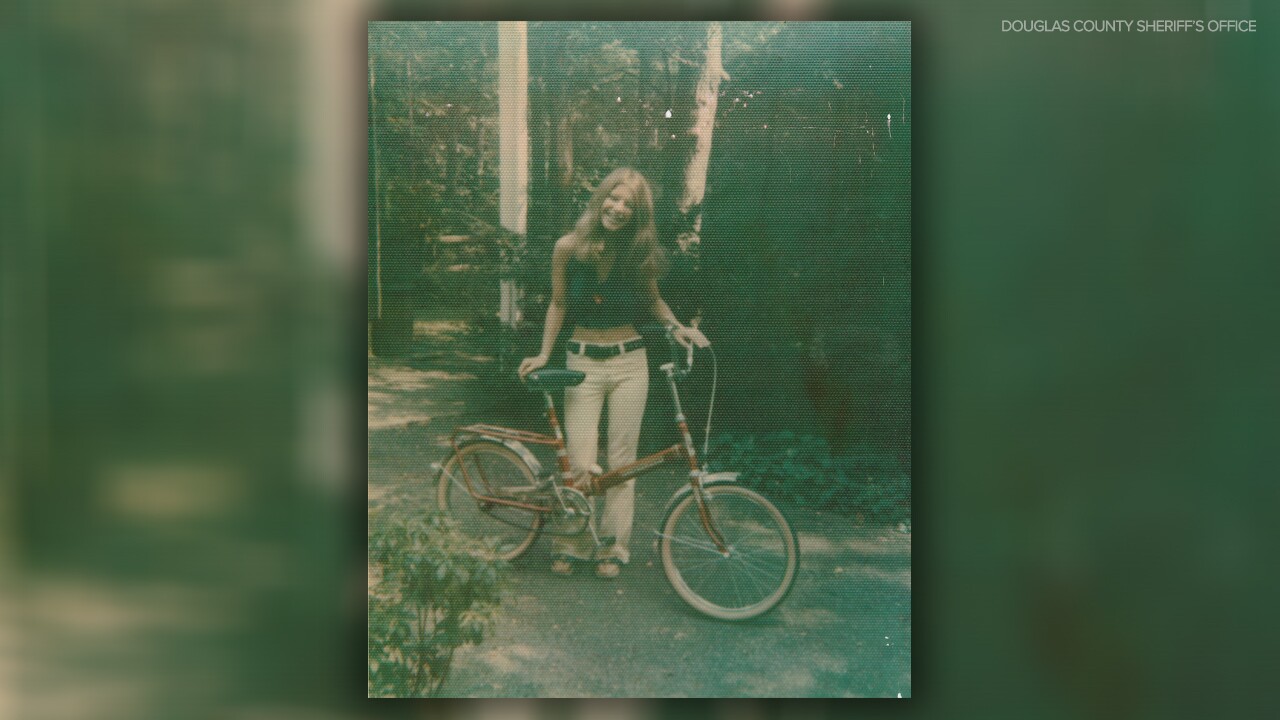
Fisher was born in New York on Nov. 12, 1956 and disappeared in March of 1987. She was last seen alive the night before her death walking north on S. Monaco Parkway toward Leetsdale Drive in Denver.
A motorist spotted her nude body down an embankment along the 3500 block of S. Perry Park Road south of Sedalia on April 1, 1987, Weekly said. She had been sexually assaulted and strangled.
The early investigation did not uncover any possible suspects and over the years, the case went cold. A renewed investigation in 2017 also did not find any DNA profiles to help identify the suspect.
Early this year, the Douglas County Sheriff's Office reopened the case for a full systematic review, hoping fresh eyes and new tools and resources would help them determine who was responsible for Fisher's death.
Within a year, they found the answer they were looking for in two paper bags.
Back at the scene of her death in 1987, authorities had placed the two bags around each of her hands to save trace evidence for the coroner. Those bags were saved, but had never been tested for DNA. Shane Williams, forensic scientists at Unified Metropolitan Forensic Crime Laboratory, said whatever skin cells were on Fisher's hands transferred to the inside of the bag, which detected a combination of both her DNA and Groves' DNA.
“Obtaining a DNA profile from paper bags nearly 40 years old is exceptionally rare," Weekly said.
Late in October of this year, the Combined DNA Index System — the national DNA database maintained by the FBI, and also known as CODIS — came back with a match. The DNA from inside those paper bags matched DNA from three 1979 homicide victims of a man named Vincent Darrell Groves.
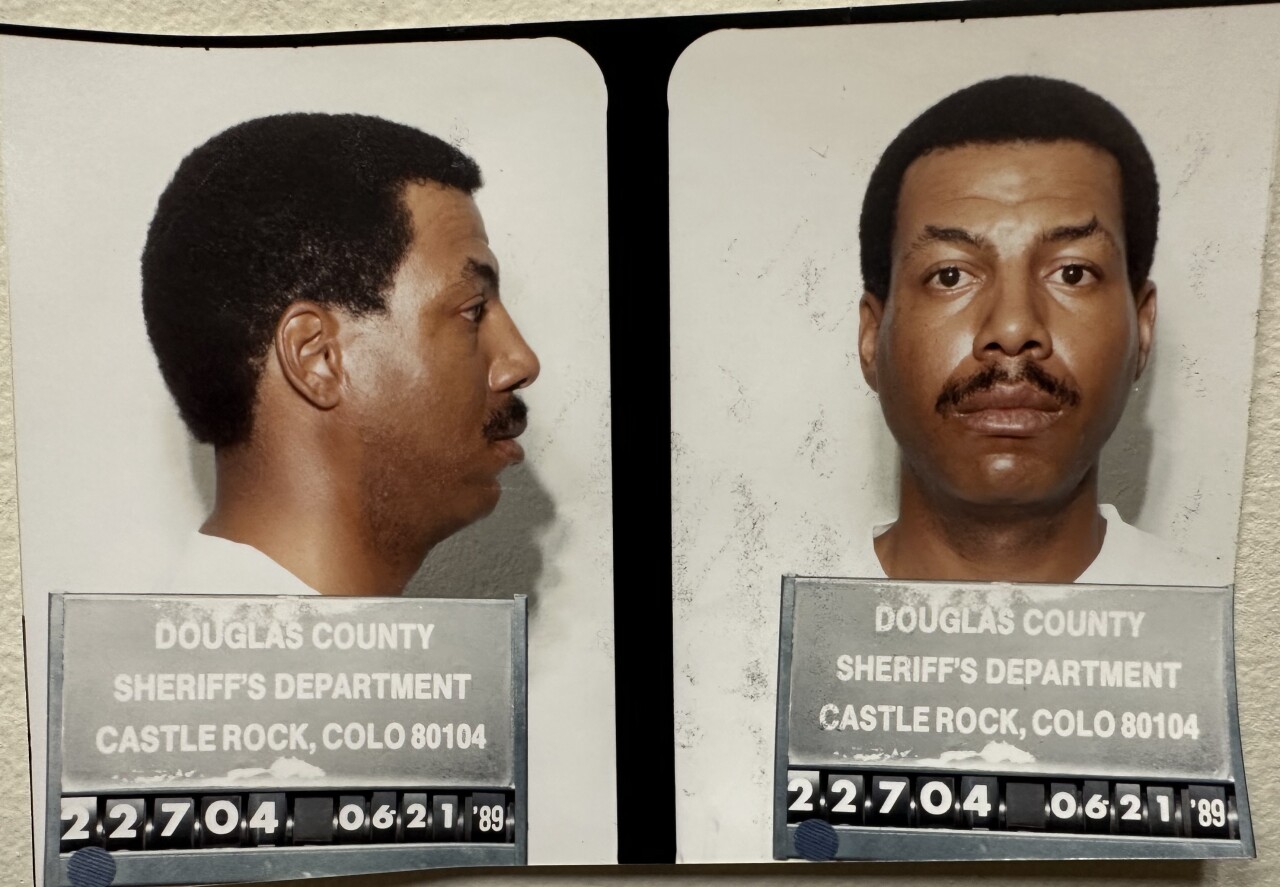
Weekly had limited information available about Groves, however he said he "is considered to be one of Colorado’s most prolific serial killers" and "had a long and violent history targeted vulnerable women between 1978 and 1988.” He was also involved in sex trafficking and drug distribution, Weekly said. He said Groves also was known to victimize hitchhikers and Fisher could have been looking for a ride.
Groves attended Wheat Ridge High School, where he was an athlete. He went to college, but did not do well and started using and distributing drugs before engaging in violent crimes, Weekly said.
Weekly said Groves was convicted of murder in 1982, but served just five years in prison before he was released. He said the office did not know why Groves was released so early, but also immediately afterward, he began a string of violent crimes again, including murder.
Throughout his life, Groves is believed to be responsible for 12 homicides, an attempted murder and a sexual assault in the Denver metro area, Weekly said. According to a 2012 press release from the Denver District Attorney's Office, the other homicides included Emma Jenefor, 25, Joyce Ramey, 23, Peggy Cuff, 20, and 35, Pamela Montgomery.
“He is one of the most prolific serial killers in Colorado history," he reiterated at the press conference.
Watch the full press conference where DCSO announces Groves as responsible for this homicide, as well as several more, in the video below.
Groves was long considered a suspect in the case, but the sheriff's office was also investigating a possible other suspect, and needed DNA confirmation before making an arrest.
Groves died in 1996 in the Department of Corrections custody after he was convicted in the 1988 murders of Diann Mancera in Douglas County and another victim in Adams County, the DCSO said.
The sheriff said he is proud that his office could at least provide answers and a resolution for Fisher's loved ones. Her parents and brother have also passed away, but Michelle Kennedy, crime analysis supervisor and accredited investigative genetic genealogist, explained that the sheriff's office had contacted Fisher's cousin about the update.
“The case is closed, so if anything, it just brings closure to friends and family of Rhonda," Weekly said. "It brings, frankly, closure to other victims of Vincent Groves... This case is a clear example of how a fresh review of these cold cases and new forensic options can lead to options."
The Douglas County Sheriff's Office has solved seven cold cases in the past seven years, Weekly said. Cold cases encompass murder, unidentified missing people, missing people and felony sexual assault. The sheriff's office has about 35 of those cases still outstanding, but Weekly said they are very close to solving a couple more.
Denver7 has covered several breakthroughs in cold cases thanks to the work of genetic genealogy:
- Cold case: Weld County authorities continue investigating 1973 death of 15-year-old girl (November 2025)
- Colorado family finally gets closure they need 50 years after murder of loved one thanks to genetic genealogy (November 2024)
- Remains found on Wolf Creek Pass in 1991 identified as Indiana man (February 2024)
- Westminster cold case murder solved after nearly 50 years (January 2024)
- Cold case update: Body found in 1987 in Jackson County identified as 24-year-old reported missing in 1983 (November 2023)
- Genetic genealogy credited for breakthrough in 1988 Baca County cold case (December 2022)
- Independence Pass John Doe identified as one of the 'country’s top ski racers' (March 2023)
In the 2021 special below, Denver7 examines multiple cases, detailing how law enforcement and prosecutors used the technology known as genetic genealogy to help solve cold case murders in Colorado.

