



DENVER — The Great American Beer Fest is back in Denver this weekend, taking the party outside for the first time in years. The festival is bringing over 200 breweries and live music to Levitt Pavilion on October 10 and 11.
In a changing industry, festival organizers from the Brewers Association say they’ve had to make some changes — not only in location but in offerings.
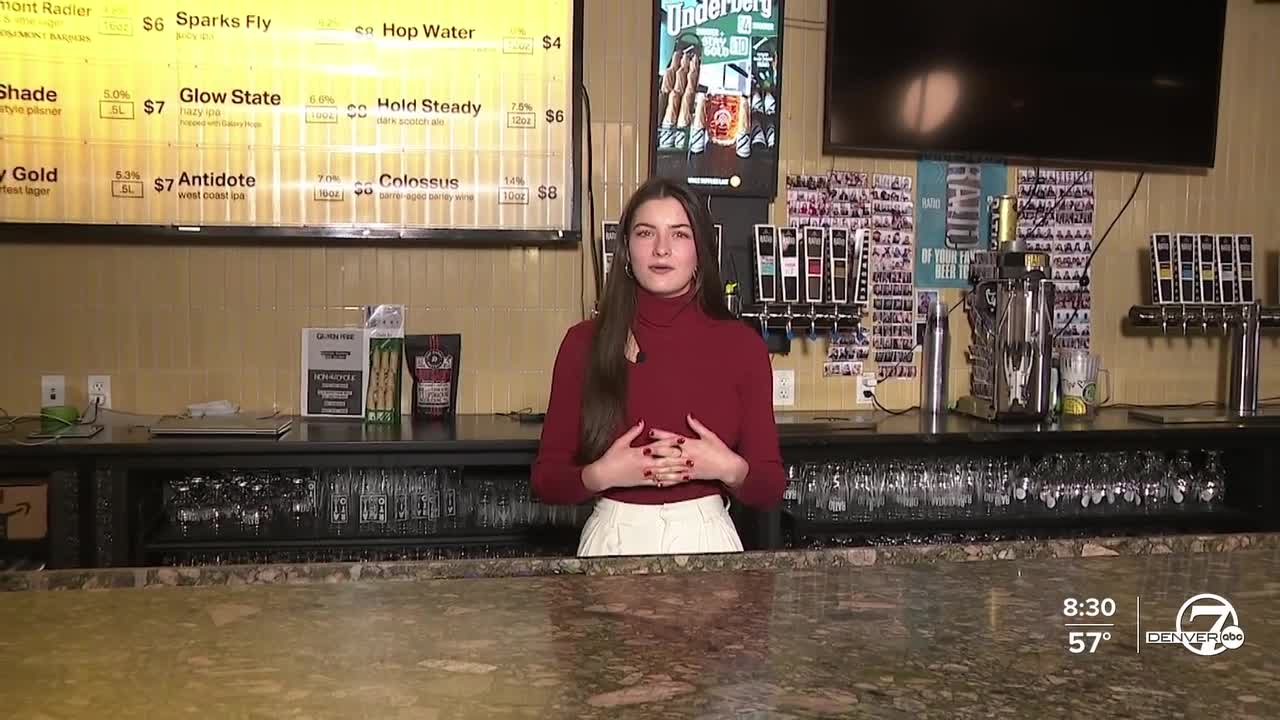
Denver7's Alex Dowd has more on what's changing this year in the video below:
The 207-brewery menu is far shorter than in the past. Brewers Association President and CEO Bart Watson says that’s because they’re looking at quality over quantity.
“We're really trying to showcase the best of American beer and brewing,” he said. “So, our first selection criteria was medal winners at the Great American Beer Fest or the World Beer Cup in the last five years.”
About three-quarters of the represented breweries have medaled in those competition. Thirty percent of them are Colorado-based.
“We always draw a little bit more from Colorado breweries,” Watson said. “So many of the attendees will be from Colorado, but Colorado has a long and illustrious beer history, and so if we look at medal winners, Colorado's often punched above its weight.”
But that doesn’t mean that Colorado is spared from industry woes. According to experts, the state’s facing the same challenges as the rest of the country where overall beer sales are falling.
A Brewers Association report shows that U.S. beer production and imports were down 5.7% in 2025, and while smaller craft brewery sales only dropped by 4%, they’re still struggling.
Fewer craft breweries opened in 2025 compared to 2024, and a couple hundred closed across the country. Retail craft sales also dropped to $28 billion, down 2.8% from 2024.
“There certainly are changes in how people are looking to drink,” Watson said. “We're seeing the next generation come into beverage alcohol a little bit differently. At the same time, I think part of it is economic, that people's pocketbooks are pinched, that the cost of everything has gone up, and beer, like all beverage alcohol is an affordable luxury, so if you can't pay your other bills, maybe it's getting cut from the grocery basket or that bar tab.”
Studies from the National Institutes of Health and Gallup polls also point out that young people are drinking less than older generations with fewer people drinking underage as well.
That means when those young people reach legal drinking age, they’re still figuring out what they like — some for the first time.
“People tend to return to more historical norms in that 25 to 34 period,” Watson said “It just takes them a little bit longer to understand beverage alcohol, and that's something that brands are having to reckon with and think about how they market to the next generation once they turn 21.”
Breweries will also have to compete in a larger playing field and not just against other beer-makers.
“We're not fighting beer with beer, we're actually fighting beer towards ready to drink cocktails, cannabis, and also non-alcoholic [drinks],” Bernardo Alatorre said. He’s a lecturer at the MSU School of Hospitality. Basically, he teaches about beer. “A lot of producers, traditional producers, both nationally and in Colorado are strongly going towards the non-alcoholic market.”

Denver7 Things To Do
7 best things to do in Colorado this weekend: Oct. 9-11, 2026
That switch has encouraged many to adapt their business models. At Ratio Beerworks in Denver, the business and taproom offerings have expanded.
In the past few years, Ratio’s team added gluten free and non-alcoholic options to their menu, garnering a whole new crowd.
“A brewery license is focused on the manufacturing on the beer that you're producing,” Taproom Operations General Manager Eric Matelski said. "So then when you get to the realm of you have to have a little bit more NA offering, you have to have gluten-free options, things like that, that's where you kind of push boundaries and get creative within your own wheelhouse.”
The brewery also pushed physical boundaries, opening its second location in the peak of the COVID-19 pandemic. While that was the kiss of death for other businesses, Ratio’s team saw it as an opportunity to expand into to-go and packaged products.
“People see you out in the market more, so it becomes a little bit more of a marketing thing as well,” Matelski said. “It is that opportunity to take the beer home with you, which is great. So when you think about the idea of third space like where you're going between work and home, sometimes you like to take that experience with you.”
The new space also gave them the opportunity to expand event offerings, drawing in a new crowd for parties, weddings and concerts, which Alatorre says points to another large shift in the industry.
“It's a market of experience. The consumer wants to have an experience,” he said. “You can have the best beer in the world, [and] if it's a dingy little taproom that doesn't necessarily have a lot of fun things to do, you might have your traditional consumers, but you're not gonna grow your market.”
The Great American Beer Fest sold out weekend passes and tickets for Saturday’s festival the week before the event.
Organizers say that breweries’ abilities to adapt shows them there hope for a brighter future on tap.
