



DENVER — On Tuesday, the Regional Transportation District Board of Directors approved its 2026 budget for $1.5 billion.
However, the approved budget still leaves a roughly $228 million deficit for 2026.
"Yesterday, we saw the RTD board approve a budget, and it was a budget that had a massive deficit in it. Between 2024 and 2026, we are looking at three consecutive years with budgets, with deficits of $250 million or more," said James Flattum, the co-founder of Greater Denver Transit, an advocacy group for public transportation. "By the end of '26 we're looking at about a billion dollars of deficits."
Flattum told Denver7 his concern is rooted in the budget pictures he says RTD drew last year, compared to this year.

"Well, it's a really strange situation that we're in because it's completely different from what everybody was told last year, right? Last year, you had representatives from RTD talking to the cities, talking to chambers of commerce, talking to all the core civic partners, saying RTDs funding situation was stable, at least for the near-term. All of a sudden, that has changed," Flattum said. "All of a sudden we are talking about immediate deficits that are going to continue to be deficits for the next couple of years, unless new revenues are found."
RELATED:
- Data shows hundreds of RTD operators received paid time off due to drug exposure (Oct. 12, 2023)
- Fear of getting assaulted, drug use are factors in RTD driver shortage (April 14, 2024)
- Inside RTD's security command center where dispatchers can get live look inside buses, light rail trains (July 25, 2024)
- Crime spree at RTD Park-N-Ride lot near DIA has drivers furious over lack of security (Sept. 12, 2025)
RTD's District 1 board member, Karen Benker, spoke with Denver7 Wednesday. Benker said the budget deficit was largely attributed to lower tax revenue and increased repair costs to service lines.
"What that does is your revenues are going down, your expenditures are going up," Benker said.
She also told Denver7 ridership has decreased significantly, which also poses a problem for the transit district.
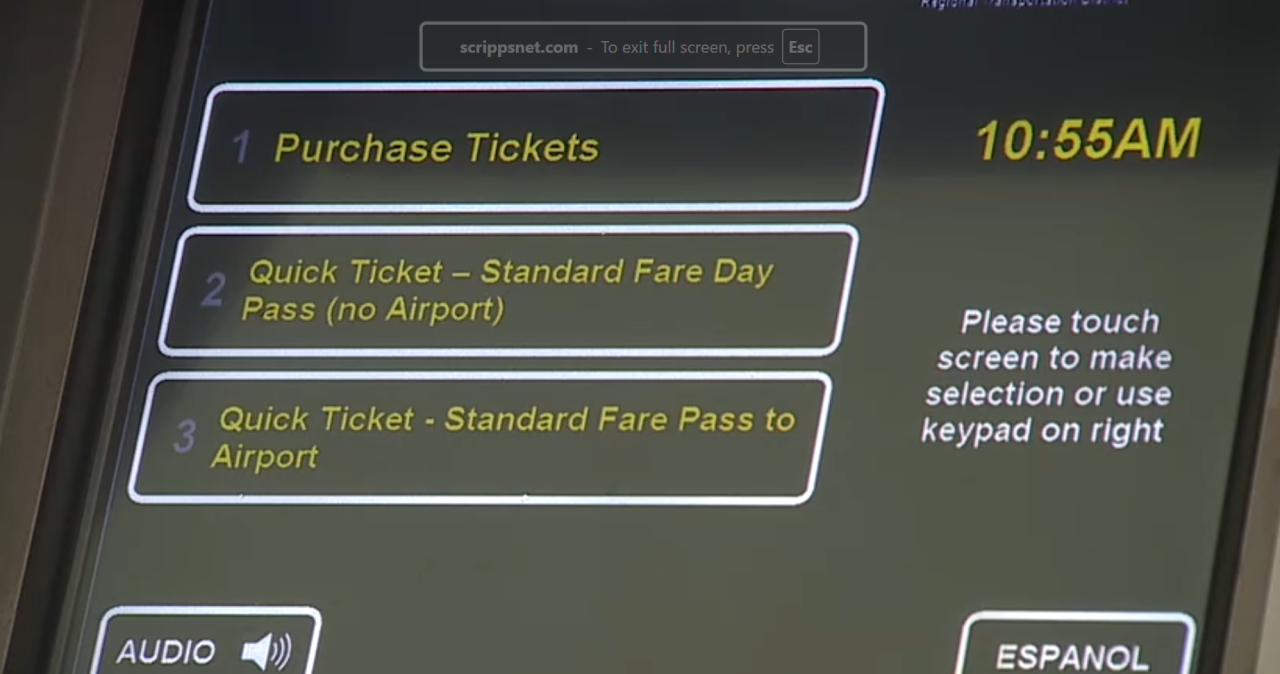
"If you just go back even four years, we were bringing in $154 million in fair revenue. We are now down to about $57 million. So, we've lost about $100 million," she said. "There's a reason why we lost $100 million, our the number of fair-paying customers has decreased by 40%."
When asked about the potential for service cuts starting in 2027, Benker told Denver7 she was not in favor of that.
"We do need to take a hard look at some of our trips, perhaps that are not producing or have a sufficient ridership," she said. "However, I think it's imperative that RTD also look for additional revenues, or grant revenues, where we can start to continue, I should say, continue to increase ridership. Ridership is the most important thing for us right now, we have to bring those riders back."
Flattum said those potential cuts are very worrying.
"A lot of people are going to be asking, well, who's on the block?" he said.
For those like Darrin Alvarez, who rely on the W Line to get to VA appointments, prescription pickups and so much more, the service is vital.

"It's my lifeline," Alvarez told Denver7. "If it wasn't for RTD and the rail, I would be totally out."
Benker told Denver7 there are plans to hold study sessions in January to address the deficit and find solutions.
"We're going to have a vigorous board discussion with public input before any decisions are made, because we want to make sure that if we do go forward and raise revenue through some of our fares and fees. We want to make sure it's equitable and and we're headed in the right direction," she said.
Flattum and Benker agreed some of the programs RTD has implemented recently that led to the increase in costs were a good idea, but something needs to be done to address the gap in funding.

