



DENVER — We’ve all seen it — plow trucks spreading salt or other deicing chemicals, both solid and liquid, on the roads before, during and after a snow storm to help melt it away. Have you ever thought about what happens to all of that salt and other chemicals when the snow melts and runs off the roads?
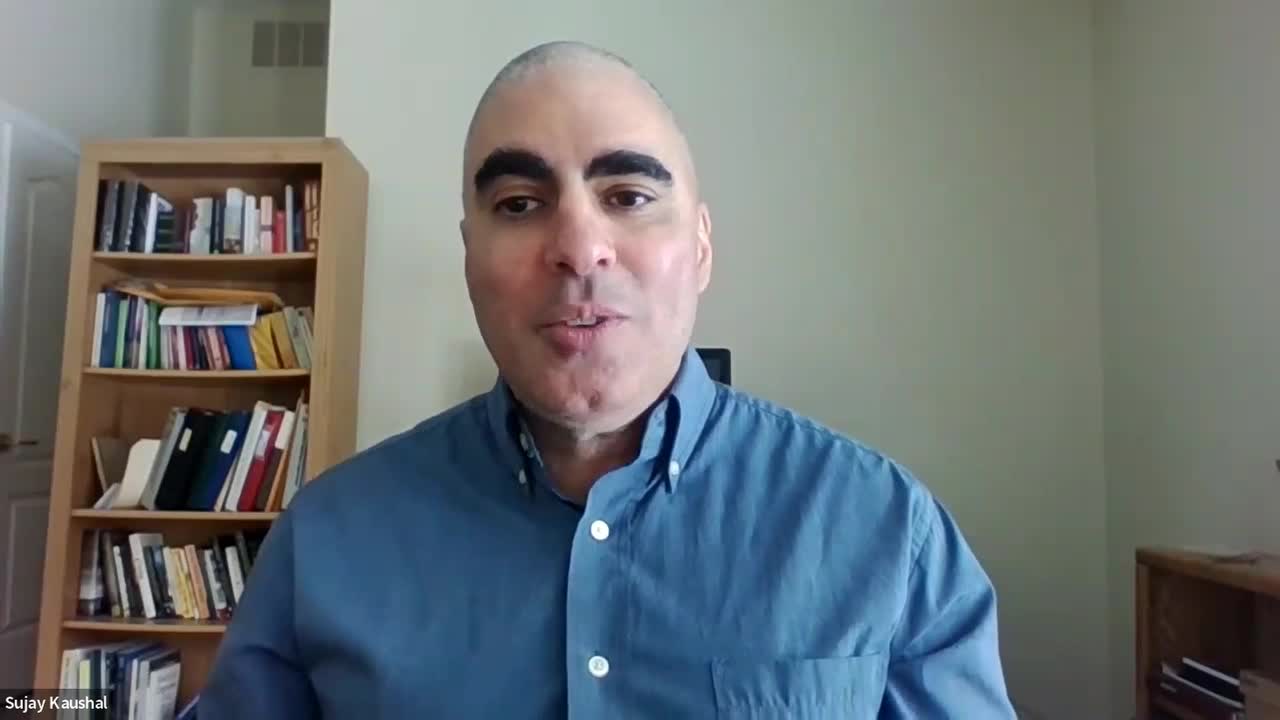
“When you are driving up to Summit County there will be places you will see brown trees right next to the road,” Dr. Sujay Kaushal, professor of geology and earth system science at the University of Maryland, said.
Dr Kaushal has been studying for years how all types of winter deicers work and how those chemicals and added salts impact the nearby environment.
“What’s happening is the salt is drying out the roots and leading to the burning of the plant. And there are certain animals that are tolerant of the salt and many that aren’t. So, you have winners and losers in terms of species that survive and that can affect the biodiversity of the area,” Dr. Kaushal said.
The Colorado Department of Transportation (CDOT) said it has studies that show that magnesium chloride does not significantly harm aquatic or plant life in nearby streams and waterways. However, Dr Kaushal disagrees, telling me during a conversation on the Driving You Crazy podcast that the effects of the salt and chemical runoff can be especially harmful to nearby watersheds.
“The salt we apply on the roads is huge and that can increase the salinity of the nearby rivers or lakes to nearly 50 percent of sea water," Dr. Kaushal said. "That’s a big change. And when any kind of environment experiences that, whether it is on the top of a mountain or a coastal zone, it will affect the area.”
Years ago, CDOT used to put large amounts of a sand/salt mix on the roads but that was shown to be more damaging than salt alone. What was happening was large amounts of silt was being washed into streams. CDOT told the Aspen Times years ago that the amount of sand the department was using back then was turning nearby rivers and streams into “beaches.” CDOT said it spent hundreds of thousands of dollars at the time to clean it up.
I asked Dr Kaushal, even with all his research, if there should be a ban on road salt.
“I like that the name of your podcast is Driving You Crazy instead of driving you to the hospital. I would not want you to get hurt driving and for me to say, well, I think they should use less salt and the next minute I hear you are in this horrible accident. But do we apply too much salt? Yeah, we do, but there a reason," Dr. Kaushal said. "We want to make sure that people are safe but we’re trading one problem for another. You have to balance personal safety with drinking water issues and environmental issues associated with all that salt that goes into the environment.”
Dr Kaushal said municipalities can help by creating a better plan to deal with where the salt goes when they use it, especially if the road is near water.
“Maybe we could establish low salt zones, sensitive areas where we apply less salt in areas that are near critical water bodies. That would be a good start," Dr. Kaushal said.
You can hear the entire conversation with Dr Kaushal on the Driving You Crazy Podcast from that link or from the links below.
Denver7 Traffic Expert Jayson Luber says he has been covering Denver-metro traffic since Ben-Hur was driving a chariot. (We believe the actual number is over 25 years.) He's obsessed with letting viewers know what's happening on their drive and the best way to avoid the problems that spring up. Follow him on Facebook, Twitter or Instagram or listen to his award winning Driving You Crazy podcast on any podcast app including iTunes, iHeartRadio, Spotify, Podbean, or YouTube.

