



DENVER — Many fans around the world view Olympians and other elite athletes as superhuman.
But despite their incredible talent, and often money or fame, they share similar struggles with the rest of the population, and even deal with some unexpected ones.
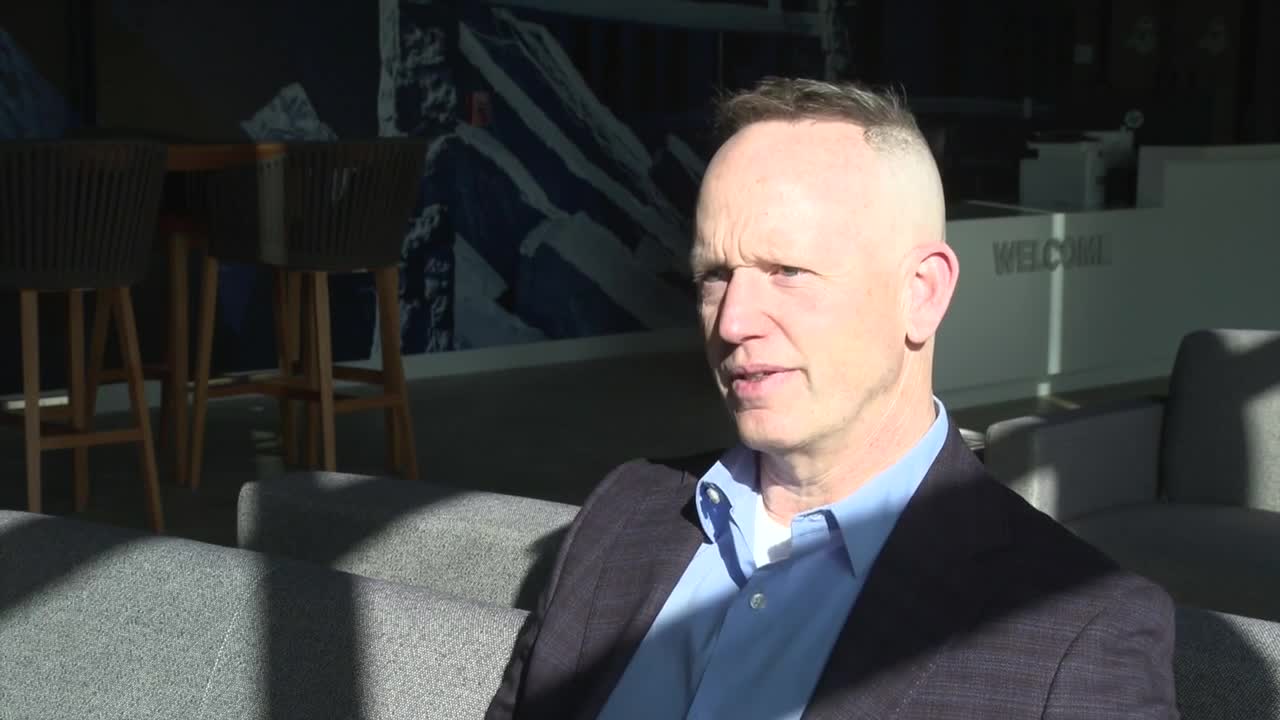
Denver7 sat down with Matthew Mishkind, deputy director of the Johnson Depression Center, part of the Department of Psychiatry at the CU Anschutz Medical Campus.
Mishkind said high-level athletes often face sleep issues and frequent travel that keeps them disconnected from others, as well as media spotlights that can lead to body image issues, eating disorders and cyberbullying.
“Just because you're making money, just because you're famous, that doesn't really protect against everything,” he said.
Mishkind also said there’s often a sort of “post-Olympics blues,” depression that arrives when the competition and the attention suddenly disappears.
“You're on this amazing high, and then it goes away,” Mishkind explained. “And if you don't have those connections, if you don't have sort of people around you that are really providing that ongoing support—not just that periodic support—that definitely can, I think, lead to some crashes for people. And a lot of identity issues, like, ‘Who am I without the sport?’”
Mishkind said these mental health struggles are common and don’t always prevent success in competition.
“You can have mental health concerns, and you can still be really productive, and you can be a great performer,” he said. “And in fact, if you address the concerns, it's probably actually going to help you perform.”
Mishkind said that is the key: talking about it, something many athletes are hesitant to do. He advises parents, coaches and teammates — starting from a young age — to encourage athletes to speak up if they are struggling, point them to resources if they need help and let them know they’re not alone.
“I think we're in a better spot,” he said when asked if he’s seen progress in recent years. “Obviously we're not exactly where I think everybody wants to be. The thing I think I've noticed the most is people are actually probably trying to treat athletes as if they're humans, which I'm not sure that was always the case.”
Mishkind is working with former Broncos running back Montee Ball and other medial experts to form the Coalition of Athletic Communities for Mental Health to address mental health issues for athletes. This conversation is now also taking place at the Colorado State Capitol, where a bill requiring mental health training for coaches is being discussed.


