



The SAVE America Act, a sweeping overhaul of American elections backed by President Donald Trump, faces an uncertain path in the Senate — and the obstacles grew more complicated this week following the unexpected death of Sen. Lindsey Graham.
The bill would require all voters nationwide to show photo ID at the ballot box and mandate that Americans registering to vote show documents in person proving U.S. citizenship. It would also sharply limit voting by mail, allowing only a narrow list of excuses for not voting in person, including illness, disability, military deployment, or travel on Election Day.
Republicans are attempting to pass the bill through the Senate reconciliation process, a procedural maneuver that would allow them to bypass the 60-vote filibuster threshold. But even that path is uncertain.
RELATED STORY | President Donald Trump claims new documents show widespread vulnerabilities in US election security
"It's not going to be an easy lift," said Sen. Ron Johnson, the Wisconsin Republican expected to take the gavel of the Senate Budget Committee following Graham's death. Graham had chaired that committee, which was set to shepherd the bill to Trump's desk.
Johnson stopped short of making any promises about the bill's prospects.
"I'm not going to prejudge what we're going to be able to accomplish, but I'm obviously dedicated to passing the SAVE America Act," Johnson said.
"Listen, we all mourn his loss. He is irreplaceable. This is going to be difficult regardless. This is not going to be an easy lift, but the first step is getting the effort organized and everybody on the same page," Johnson said.
Democrats are universally opposed to the legislation, with critics calling it "Jim Crow 2.0" over concerns it could disenfranchise millions of Americans ahead of the midterms. Beyond Democratic opposition, it remains unclear whether a simple majority of Senate Republicans support passing the bill in its current form.
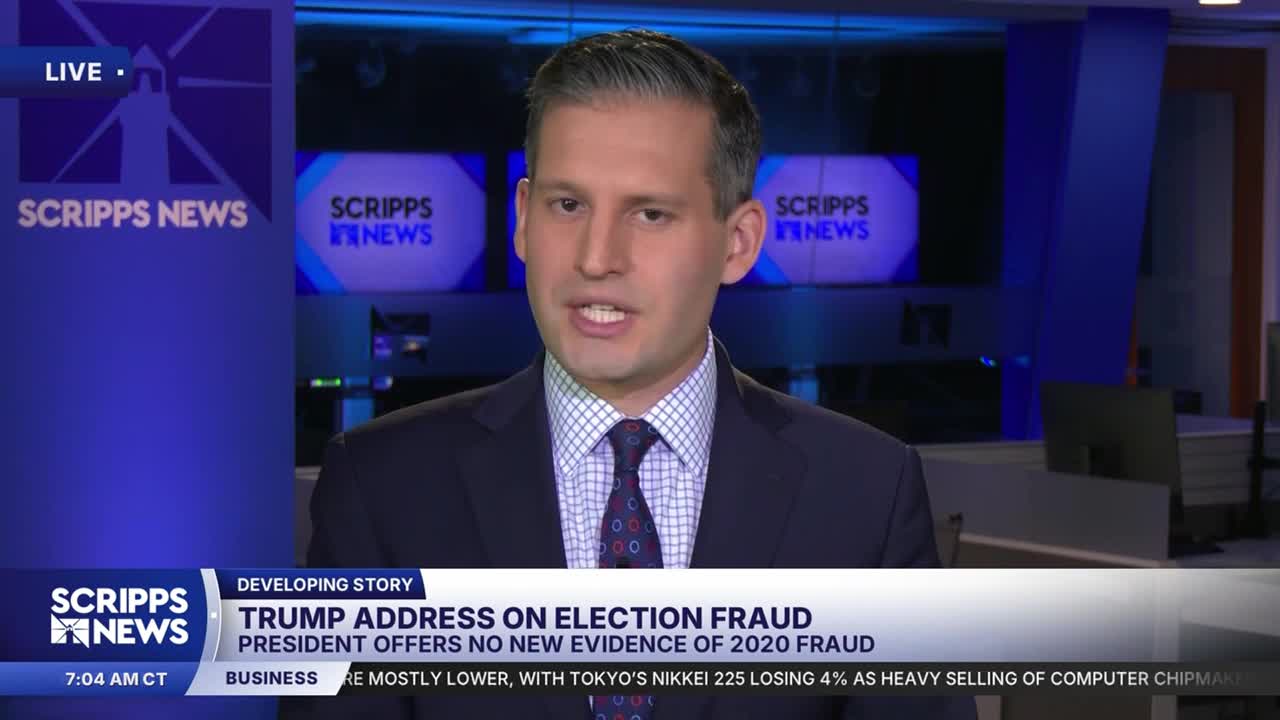
The push for the legislation comes as Trump used a primetime address Thursday night to raise doubts about past election results and call for passage of the act. Trump said he was releasing previously classified documents related to the 2020 and 2018 elections. The documents did not produce evidence that votes were ever manipulated or that election outcomes ever changed.
Trump cited a Department of Homeland Security review that identified approximately 278,000 non-citizens registered to vote in federal elections, claiming the real number is higher because Democratic-led states refused to share their voter files.
Arizona Secretary of State Adrian Fontes, who oversees elections in that state, pushed back on those claims.
"We've never received any notifications or data regarding these alleged millions and millions of ineligible voters that swayed the election in 2020. It just doesn't exist," Fontes said.
"And if it did exist, boy, I hope they would take that evidence and give it to us because I would present those folks, first take them off the rolls and the county recorders in Arizona would do that. And then we would refer those folks for prosecution. We do quite well, thank you very much, without any help from this administration," Fontes said.
RELATED STORY | National Intelligence nominee Jay Clayton faces questions over potential election interference
Fontes said he has not received any evidence of non-citizens being registered to vote from the Trump administration and said he would welcome it if it existed.
Trump did not address Georgia in his speech, despite earlier speculation that he might argue the 2020 Senate runoff elections there were somehow invalidated. Senate Majority Leader John Thune had appeared to get ahead of that possibility earlier in the week, saying he is focused on the 2026 election in Georgia and looking forward, not backward.
Election experts say Trump's speech may have laid the groundwork for additional executive actions related to upcoming elections. Critics of the SAVE America Act note that even if it were to pass, it would not directly address the type of foreign interference Trump emphasized in his address.
The bill's implementation would also present significant challenges. Voter ID requirements and documentary proof of citizenship for voter registration are not currently required in many states, and a nationwide mandate would represent a major shift in how elections are administered across the country.


