



SUPERIOR, Colo. — As wildfires continue to destroy homes and displace families across Colorado, survivors who have lived through this kind of loss are stepping up to help.
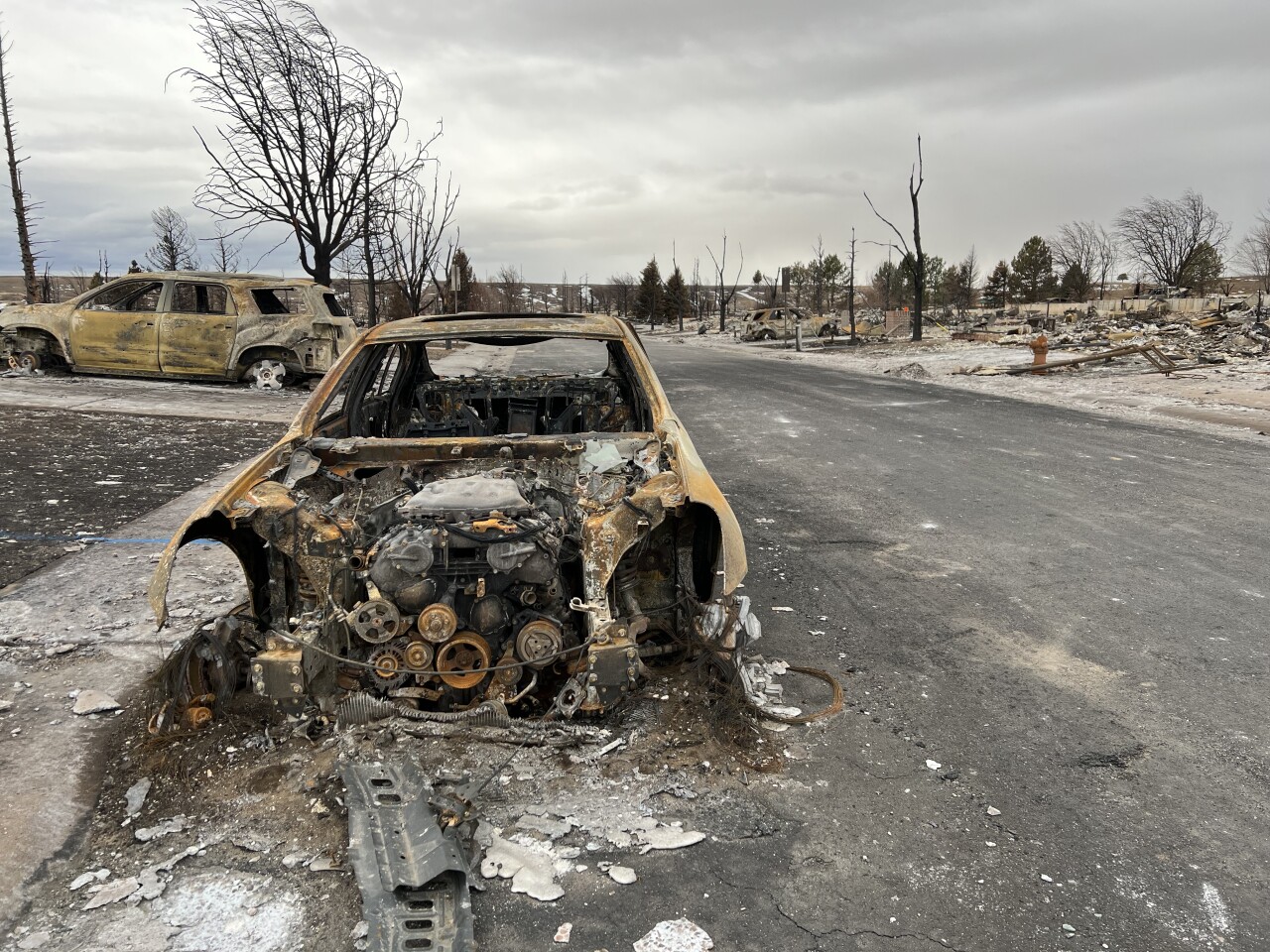
Fire officials in Custer County said the Aspen Acres Fire has destroyed more than 180 structures, including at least 55 homes. The fire has grown to nearly 87,000 acres and is the state's largest active wildfire.
- Watch the full story in the video player below.
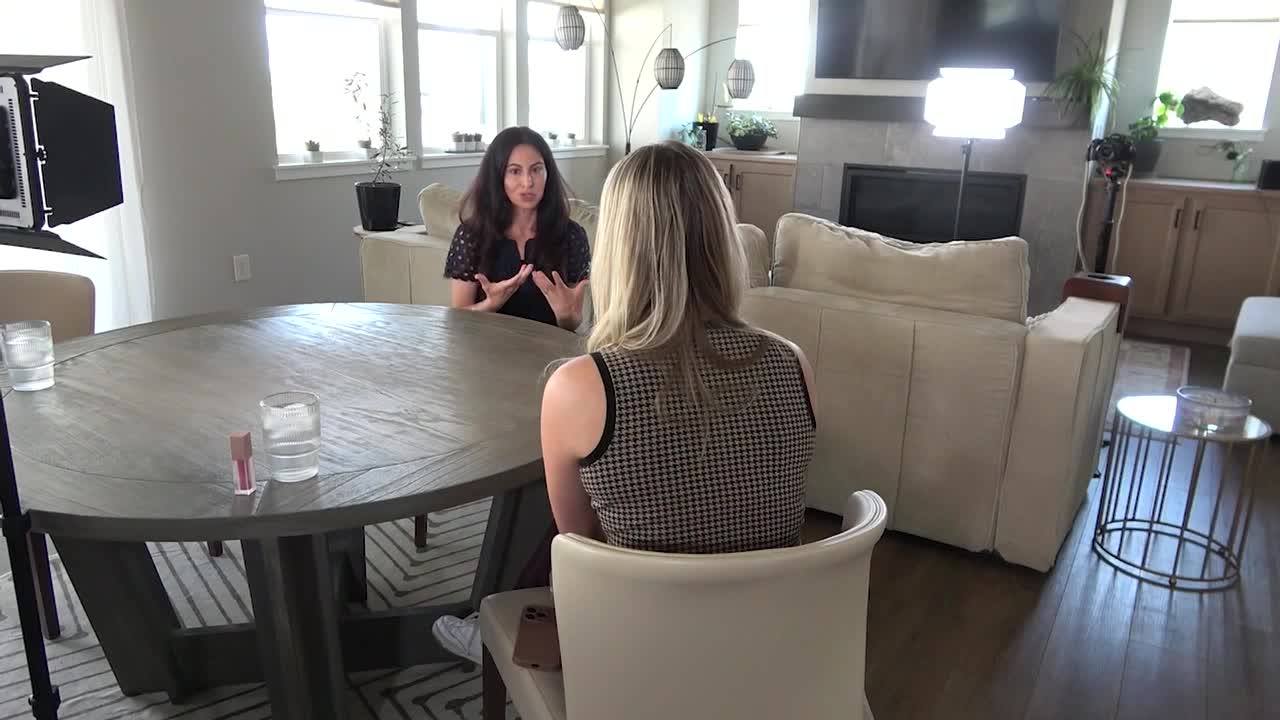
Erica Solove knows the kind of pain families are going through. She lost her Sagamore neighborhood home in Superior after the Marshall Fire tore through multiple communities and destroyed her entire neighborhood in 2021. Now, she works for a national nonprofit called Extreme Weather Survivors, which aims to help disaster survivors by connecting them with free trauma resources and support.
"I think the experience of losing your home in a disaster is inherently isolating," Solove said. "Your world and community and familiar comfortable bubble suddenly vanishes."

She said the trauma of losing a home brings challenges many survivors never expect, like brain fog, decision fatigue and strained relationships.
"It is a really tough road to walk," she said. "There are many people across the country who have walked a similar path, and not only that, but they want to help, they want to give back."
Solove leads an EWS mentorship program that pairs survivors further along in their recovery with those who have just experienced a disaster. She also runs a monthly webinar, which connects families with mental health experts, many of whom are disaster survivors themselves. EWS has worked with families across the nation, including survivors of the Los Angeles wildfires in 2025.
She said the main goal of EWS is to provide a community that supports disaster survivors long after the initial tragedy happens.
"There's this initial outpouring of donations and community support and media coverage... but then people forget. Life resumes as usual, and those survivors are left to fend for themselves, and the timeline of recovery is realistically many years," Solove said.
Her own lifeline after the Marshall Fire was staying connected with her neighbors.
"That really was one of the only silver linings of going through this experience was seeing how neighbors can come together and build community," she said.
EWS is not only for people who have been impacted by wildfires, but also natural disasters like hurricanes, floods and extreme heat. To get connected with the nonprofit, click here.

