



DENVER — Researchers at Colorado State University are working to bring forests back to life after the Cameron Peak Fire — the largest wildfire in Colorado's recorded history — burned more than 200,000 acres in 2020.
A CSU team is studying how to restore the burn scar, and so far researchers are finding seedlings struggle more at lower elevations than at higher ones.
▶️ Denver7's Claire Lavezzorio talks with a researcher on the team working to restore forests after the Cameron Peak Fire
Maddie Wilson, a masters of ecology student at CSU, said the sheer scale of the fire is a major reason restoration efforts are so important.
Wilson's research focuses on understanding which species are surviving in the burn scar and why.
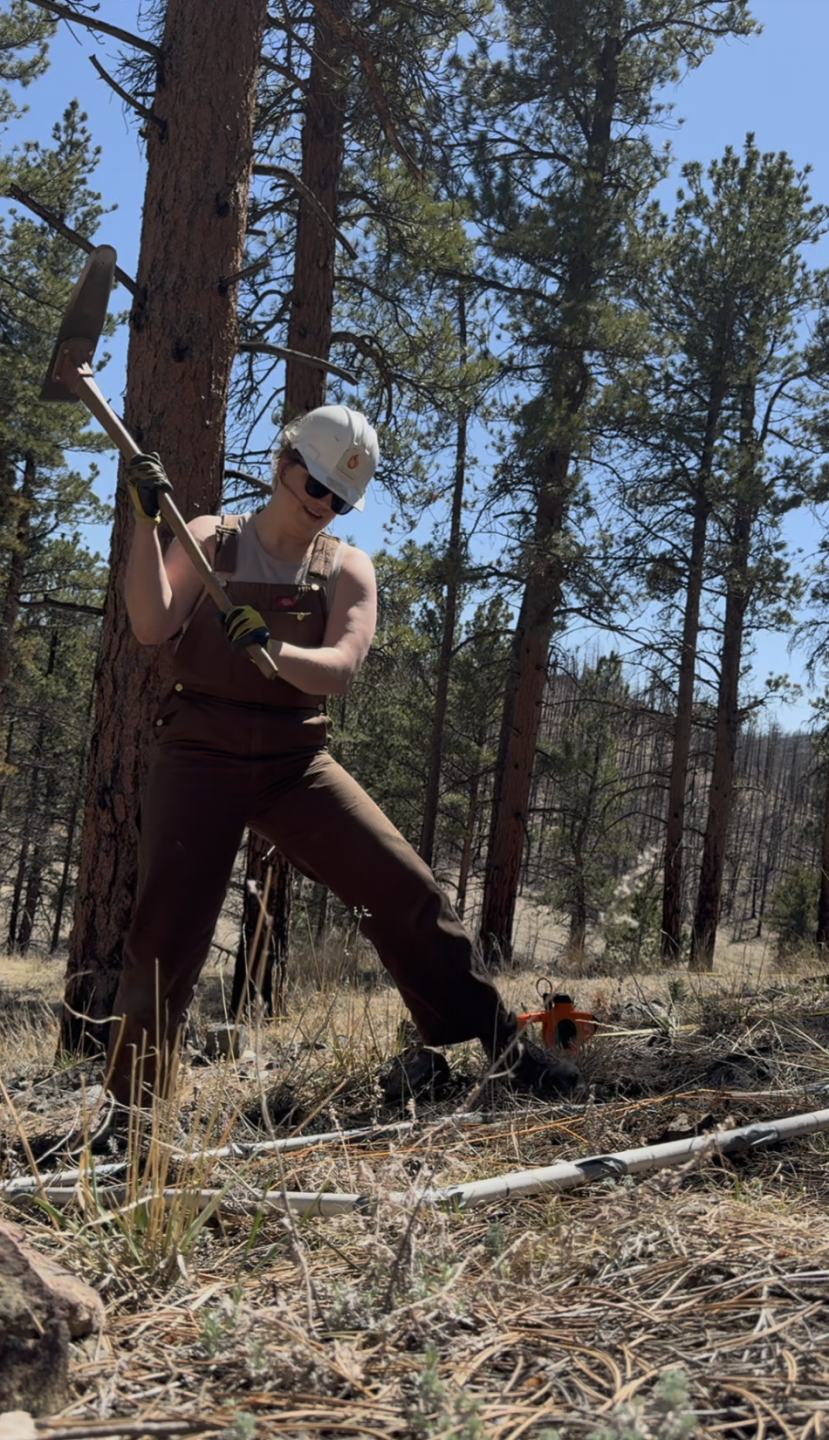
"Our work is trying to understand...what seedlings should we be planting in these post-fire environments, and how are they living, how are they dying, things like that," Wilson said.
The team is also testing whether specific treatments can give seedlings a better chance of survival. Wilson said researchers planted a subset of seedlings using nitrogen supplements and hydrogel to help with initial establishment.
"We're hoping to see if those types of treatments actually do benefit planted seedlings," Wilson said.
Wilson said she hopes the research ultimately helps land managers make smarter decisions about where and how to replant.
"I'm hoping we can find the right balance of reforesting in areas that need attention and need that help to get started on that trajectory to become a forest again, but also keeping the areas that are doing really well in terms of regeneration," she said.
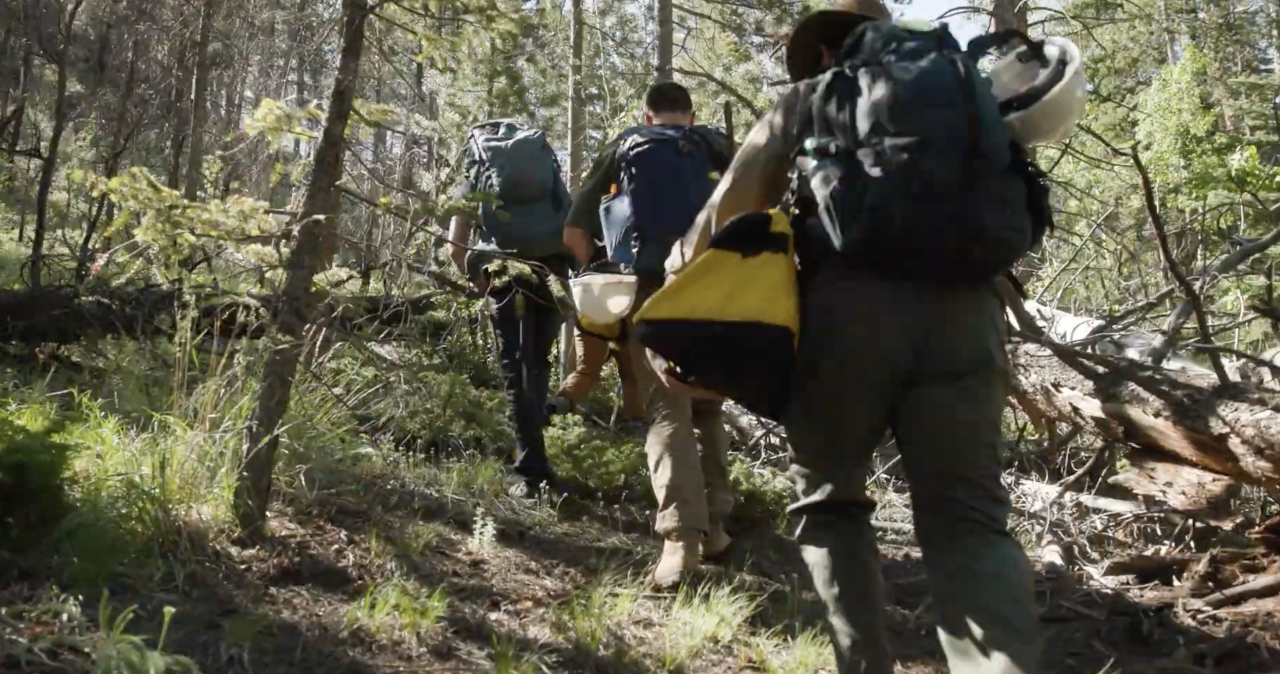
Wilson said water is among the most critical reasons to prioritize forest restoration.
"Forests are really important for our water for sure, and then also just on an aesthetic level and kind of a more like Colorado cultural level, we love our forests, and that's really important for people and an important value to have," Wilson said.
Looking ahead, Wilson said she hopes to see the burn scar slowly transform back into a thriving forest.
She said fire has always been part of Colorado's landscape — and that work like hers is part of a long tradition of caring for it.
"Every forest in Colorado is a post-fire forest. Just how long it's been since that fire is a part of its history," Wilson said.
This story was reported on-air by a journalist and has been converted to this platform with the assistance of AI. Our editorial team verifies all reporting on all platforms for fairness and accuracy.


Denver7 is committed to making a difference in our community by standing up for what's right, listening, lending a helping hand and following through on promises. See that work in action, in the videos above.
