




DENVER — There are less than three months until the 2026 General Election, when Colorado voters will decide upon a measure that supporters argue protects children, while opponents believe it is an attack on the transgender community.
The debate is centered upon gender-affirming surgery, which encompasses a range of procedures. Specifically, the ballot measure would ban minors from receiving that kind of medical treatment.
Initiative #110 submitted more than 164,000 petition signatures, sending what those behind the measure have dubbed the "Protect Children From Irreversible Sex Change Surgery Act" to the November ballot.
The final text of the measure states that children "lack the maturity to make permanent, life-altering medical decisions." It continues to say that Colorado law already sets an age requirement for decisions like consuming alcohol and smoking, and argues that the same should go for gender-affirming surgery.
If Colorado voters approve Initiative #110, minors would be prohibited from receiving gender-affirming surgeries in the state. In addition, no state or federal funds, Medicaid reimbursements, or insurance coverage could be used to pay for such "prohibited medical interventions."
This week, the federal administration announced that Medicaid will not fund gender-affirming surgeries or hormone treatments for minors.
Protect Kids Colorado, an organization that seeks to "mobilize the people of Colorado and the Church to engage with biblical and biological truth," is behind Initiative #110.
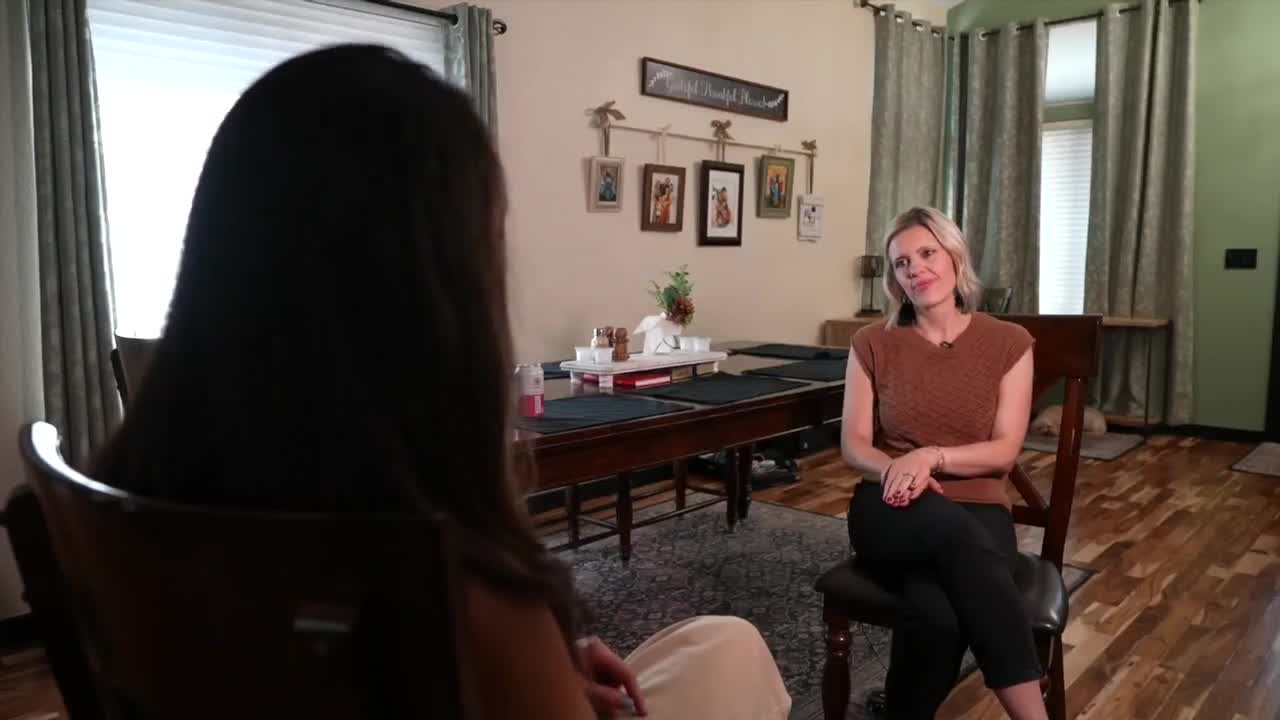
Denver7 spoke with two mothers who hold different opinions on the proposal, along with a doctor who believes politics should not play into the relationship between a physician and their patients.

When Kelli McKay-Conrady first heard her child speak their truth, she said she did her best to support them in whatever way possible.
“She told us her name was Jessica, and we're like, okay, that's great," McKay-Conrady said. “If your child comes out as being heterosexual, no one really questions that.”
The mother of two said there were countless conversations with both doctors and therapists to help the entire family through the process, which began when Jessica was 13-years-old.
"It's not something that we take lightly as a family, and it's a big change. But Jessica's transition has been a slow, gradual process," said McKay-Conrady. “She received a hormone blocker... All that hormone blocker does is just pause puberty. It doesn't change anything.”
That was when the family was living in Oklahoma, and McKay-Conrady said it was before Gov. Kevin Stitt signed bill into a law that banned hormone therapies for minors in the state. The family decided to leave Oklahoma at that point and relocate to Colorado.
"I wanted her to feel like she was in a place where she was more protected," said McKay-Conrady, who feared for her daughter's mental health.
McKay-Conrady said the family has felt more at ease since living in Colorado, but has not been insulated from changes on the national level. For example, earlier this year Children's Hospital Colorado and Denver Health announced they would suspend gender-affirming care for patients under the age of 18 as the result of increasing pressure from federal health officials.
Her daughter is now 17 and on the verge of becoming an adult, but McKay-Conrady is deeply concerned about Initiative #110.
"It is my opinion that the government should not have anything to do with medical care that is happening in the doctors' offices. They are not trained professionals; they are politicians," said McKay-Conrady. “They take one step. I'm afraid they're going to take the next step. And to me, this is a slippery slope... I don't quite understand why we are going after such a small, vulnerable community that is already under attack, that is already having to deal with a lot of pressures of life.”

Politics
Protecting girls or anti-trans? A controversial measure heads to Colorado ballot
According to a study that reviewed a national pediatric surgical database and was cited by the Human Rights Campaign, 0.04% of all transgender youth across the country received some kind of gender-affirming surgery between 2018 and 2021.
“Here in the state of Colorado, surgery for a minor is exceptionally rare, if not at all," said Dr. Drew Updike, who practices internal medicine. “This ballot measure seems to be a ballot measure with some sort of solution about gender identity, but no actual problem."
Updike gave Denver7 his professional opinion on Initiative #110, which does not reflect his practice.
“As a modern day doctor, I believe that every patient has the right to choose their medical care, right? And I think that each child, each parent, each physician should be able to engage in the free exchange of medical advice, treatment plans, and the things that they believe are best for them," Updike said. "What it [Initiative #110] is doing is it's inserting the government, it's inserting activists, and it's inserting advocates that are, again, not part of the doctor-patient relationship, into the exam room in order to try to choose what's best for somebody else.”
On the other side of the issue is Kinsey Ringenberg, a mother of three children who spent 14 years as a physician assistant working in pediatric and adolescent medicine.
“Every teenager is going to face identity challenges in some way or shape. It's a normal part of teen development, but when they have time to figure that out, it gives them the opportunity to make life-altering decisions for their body when they're an adult, and I think that is why I love this ballot measure," Ringenberg said. "It's specific to kids under 18, and it's specific to surgical intervention.”
Ringenberg told Denver7 she is not a member of Protect Kids Colorado, but she did help collect signatures for Initiative #110.
“Most people are not on the extremes of either side of this issue. Social media will have you believe otherwise, but it's not true," said Ringenberg. "I think there is still a lot of room for parents and educators and therapists to come alongside and support individuals without surgical care.”
Ringenberg did not shy away from questions about how rare gender-affirming surgery is for minors.
"If it's only for a small amount of kids, why do we need a ballot measure for that? Right? I mean, it's a very fair question," Ringenberg said. "Yet, when it's you or your kid, and it affects the rest of your life, we should all be wanting to provide that extra time to give kids the opportunity to allow their identity and their frontal lobe to develop before that life-altering surgical procedure.”
Denver7 asked Ringenberg if she believes this is an anti-transgender measure.
“It does affect a small subset of kids, like we're talking about, but it does not cover the entirety of gender medicine, and so I wouldn't consider this an anti-trans measure," said Ringenberg.
Now, Coloradans must decide how to vote on Initiative #110, with the 2026 General Election on Nov. 3.



Denver7 is committed to making a difference in our community by standing up for what's right, listening, lending a helping hand and following through on promises. See that work in action, in the videos above.