



DENVER — Friday’s strong winds made for a bumpy start to the December holiday travel season at Denver International Airport.
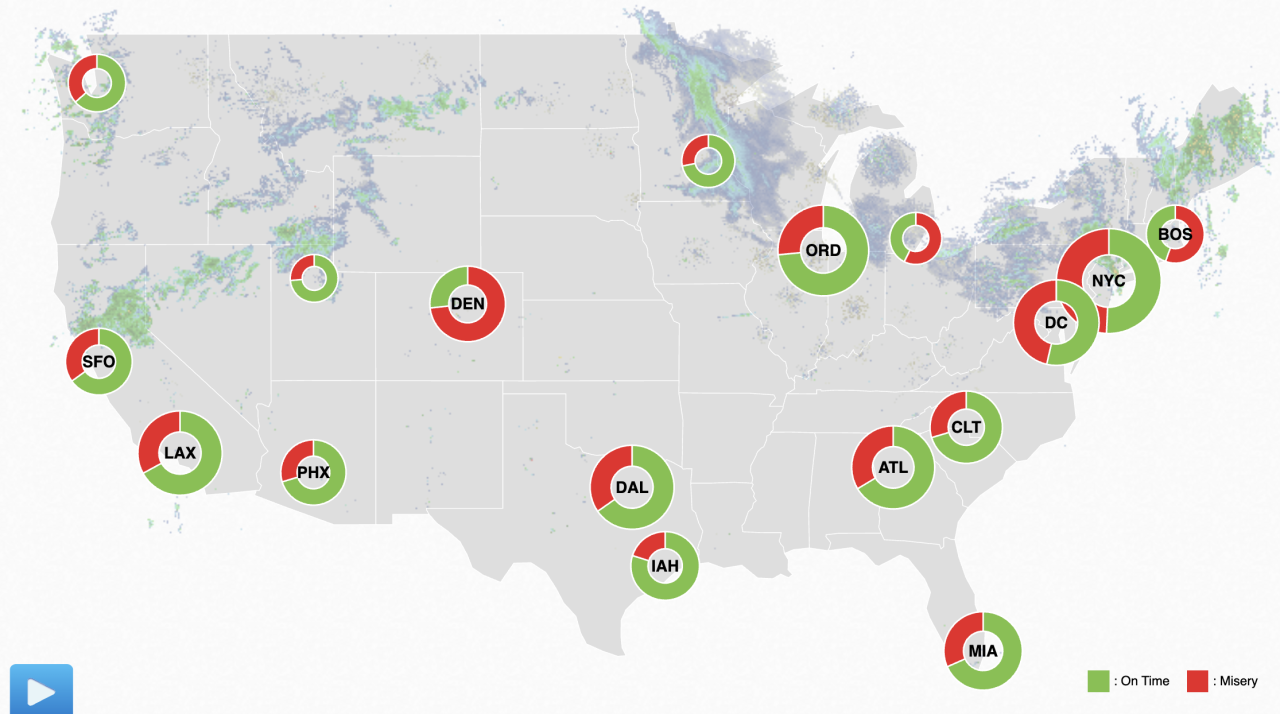
FlightAware reported more than 1,200 delays at DIA Friday—the most nationwide—along with more than 80 cancellations.
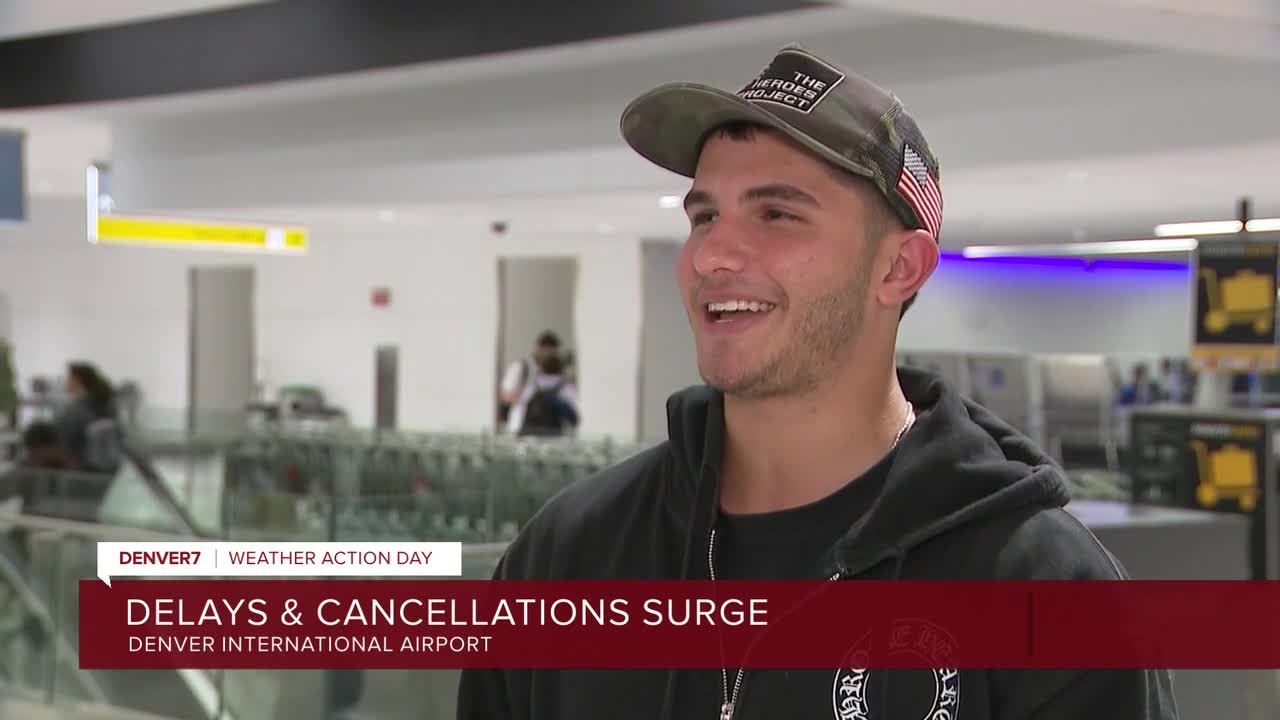
Daniel Katz flew in from South Florida, trying to get to Steamboat Springs for two weeks of skiing and holiday fun. But his connecting flight was delayed several hours, leaving him stranded at the airport.
Katz also said the turbulence was pretty rough on his way into Denver.
“The turbulence was crazy,” he said. “My mom was holding on to me and, like, freaking out. And I said, ‘Everything will be okay.’ I made a quick prayer, and we landed fine.”
Aviation expert Steve Cowell knows strong downslope wind days like Friday aren’t fun for passengers or pilots.
“You're sitting there in the cockpit, you know, and things are rattling around, and it's just, it's just an uncomfortable situation,” he said.

Boulder
Hurricane-force winds barrel through Boulder, toppling trees & closing roadways
Cowell likened air flow over the Rocky Mountains to water flowing over rocks in a stream, saying that unpredictable movement can lead to turbulence even on days without extreme winds.
“We live in a place where, you know, sometimes it's just not comfortable in departing and arriving,” he said. “That's just the way it is, and that's because of the terrain.”
Several pilots reported moderate-to-severe or even severe turbulence Friday.
The Federal Aviation Administration defines turbulence as ‘severe’ when it “causes large, abrupt changes in altitude and/or attitude. It usually causes large variations in indicated airspeed. Aircraft may be momentarily out of control.”
Cowell says those reports can be subjective, but valuable to pilots when they take several reports into account.
“Depending on those reports, that may determine whether they divert, that may determine whether they delay their flight, that may determine the speed that they're going to descend,” he explained.
Cowell added while that level of turbulence is still not enough to damage a plane, pilots try to take off and land into the wind when possible, and nasty crosswinds take away some runway options for take-off, leading to lots of delays.
DIA expects more than 750,000 passengers to pass through security at the airport from through next weekend, with the busiest travel days projected to be Dec. 23, Dec. 27 and Dec. 28.

