



DEER TRAIL, Colo. — Kasey Bennett has watched the skies his entire life.
As an eighth generation Deer Trail resident, Bennett grew up hearing stories about the flood of 1965.
▶️ Eastern Plains to get better weather alerts with NOAA upgrade
In the 1870s, the community that would eventually become the Town of Deer Trail was a vital part of Eastern Colorado’s shipping industry. It was also a popular stop for ranchers passing through the state. Though multiple businesses flourished after the town’s incorporation in 1920, the Great Depression forced many to close.
The flood that hit on June 17, 1965 destroyed what remained of those empty storefronts.
Bennett’s family was there through all of that.

Remnants of those buildings still stand along 1st Avenue as a reminder of how quickly the weather can change in the Eastern Plains.
“Watching the storms roll in, watching the radar, it's kind of habit for everybody that's grown up out here,” Bennett said. “We watch the weather, we're fighting the heat, you know we're making sure the animals have water and feed in front of them.”
For ranching families working out in the pastures, reliable weather alerts are a necessity. Spotty cell service in those areas means smartphone weather alerts can sometimes be unreliable.

NOAA Weather Radio All Hazards (NWR) is one solution — offering 24/7 radio alerts for everything from tornadoes to snow squalls — prompting NWS Boulder to make some much-needed upgrades to its transmitter in Deer Trail.
This week, NWS Boulder began installing a new weather radio transmitter in Deer Trail, an upgrade the agency says will benefit residents across the Eastern Plains, including communities in Arapahoe County like Watkins, Strasburg, and Deer Trail.
NWS electronics system analyst Dave Paschal told Denver7 his team often gets calls about coverage problems with the current system.
“Hopefully, a lot less calls for outages,” Paschal said. “This is actually two transmitters in one, so if one fails, it'll automatically [switch] over, or we can remotely switch it up to another one.”
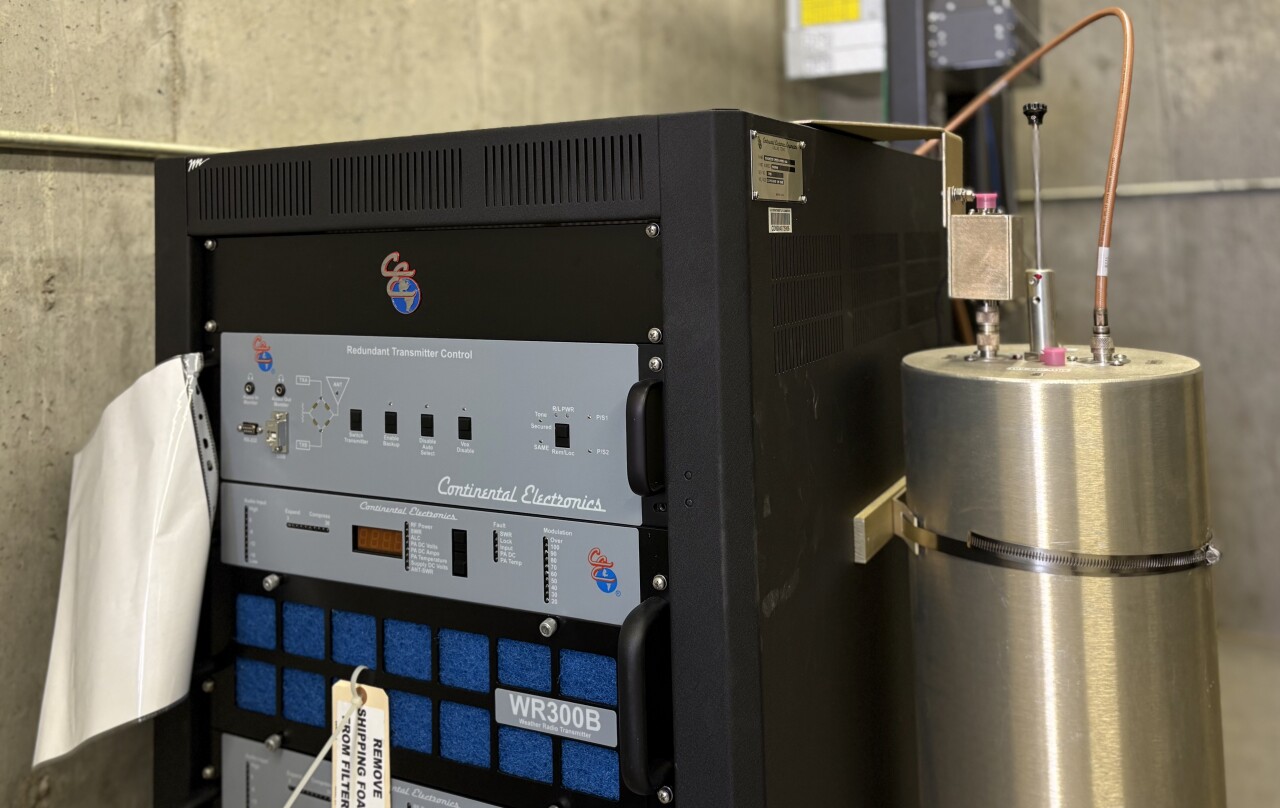
The new transmitter replaces one that is decades old and moves from an analog system to a 5G connection, according to National Weather Service meteorologist Paul Schlatter.
Schlatter described the new system as delivering a "highly reliable, clear signal," adding it is "a very good way to get warnings."
The new transmitter will provide expanded range, reaching communities including Bennett and Deer Trail and as far south as Franktown.
Eastern Colorado currently has 12 of these radio transmitters. NWS Boulder told Denver7 it plans to upgrade all of them down the road.
Schlatter said the system can serve as a lifeline for those without smartphones.
"You can program [your radio] to wake you up in the middle of the night if you want," Schlatter said. "Very important for nighttime convection, nighttime flash flood warnings, those types of things that you may not be aware of otherwise.”

Bennett recalled a recent close call that underscored just how serious the threat can be.
"[A major flood] almost happened a few years ago, again, and the water came up to the railroad tracks, and it came down to one dike that was holding back the whole water; otherwise, it would have happened again," Bennett said.
The updated transmitter is some peace of mind for families like Bennett’s.
"It gives us just another line that we can pay attention to and really watch and plan around it,” he said, “if it's going to hit you, if it's got hail in it, if there's tornado possibilities, you know, if it's super dry and windy, where the closest fires are, it's just a nice thing to have.”


