



AURORA, Colo. — From high-speed cooler doors designed to reduce energy loss to a rooftop solar array expected to supply most of the building's electricity, nearly every aspect of the facility was designed to lower operating costs and maximize the resources available to feed people across Colorado and Wyoming.
"We moved in on Dec. 1 last year, so we're just getting good at using the building," said Steve Kullberg, chief of staff for Food Bank of the Rockies.
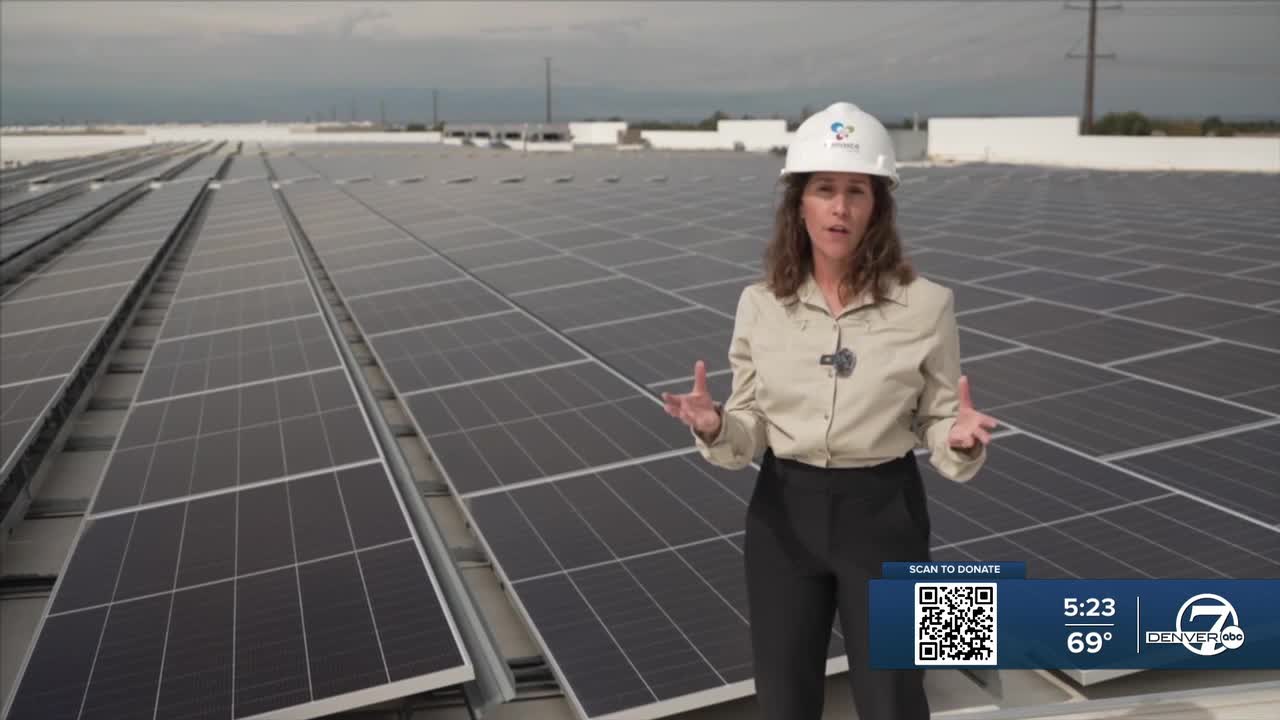
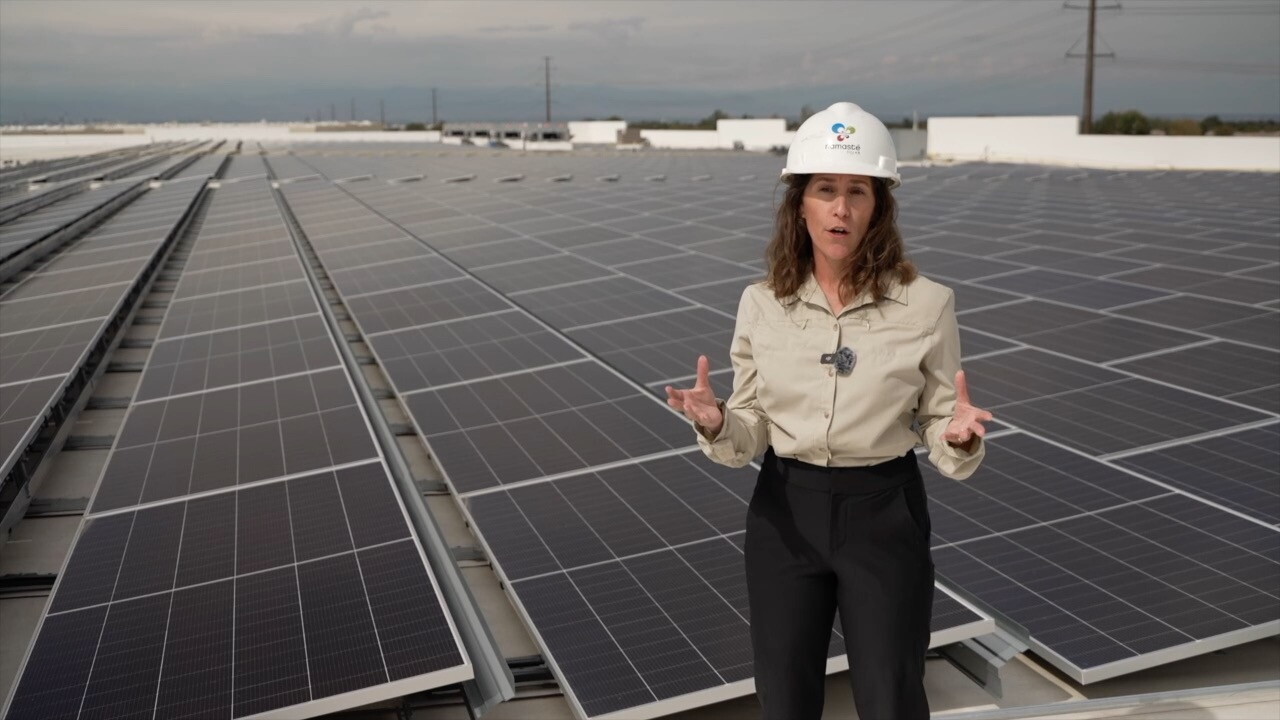
See what 2,000 solar panels looks like in the video below:
The nonprofit's new headquarters consolidates operations that were previously spread across multiple locations. Kullberg said sustainability was a priority from the earliest stages of planning.
"Food banking is all about sustainability," he said. "The fundamental premise is that we're recovering food that would otherwise go to the landfill, and so we take that same logic into everything that we're doing."
Designed for efficiency
The facility includes 52,000 square feet of refrigerated and freezer space. To reduce energy consumption, designers incorporated additional insulation, extensive sealing and specialized cooler layouts.
In some parts of the warehouse, Kullberg said, temperatures remain surprisingly stable without active heating or cooling.
"We put extra insulation in here and took measures to make sure the building was well sealed," he said. "Even in 100-degree weather, it was still comfortable in this part of the building without any air conditioning."
The building also features skylights for natural illumination and LED lighting throughout.
Standing near a refrigerated section of the warehouse, Kullberg pointed to another efficiency measure: high-speed roll-up doors that limit the transfer of cold air between storage areas.
"We're trying to maximize the conservation of that, or minimize the transfer of energy," he said.
According to Food Bank of the Rockies, the facility is saving approximately $500,000 annually in operating costs compared to its previous setup.
Those savings have a direct impact on the organization's mission.
"We can generally get three meals for $1," Kullberg said. "That $500,000 is a million and a half extra meals that we can provide the community."
Keeping waste out of landfills
Food recovery is the foundation of the food bank's operations. Kullberg said roughly 56% of incoming food comes from grocery stores and distribution centers, diverting large amounts of edible food from landfills.
But food isn't the only material being recycled.
Volunteer Chuck Johnson has spent 16 years helping process the enormous amount of cardboard that passes through the warehouse.
"We have a massive amount of cardboard that comes through," Johnson said.
The cardboard baler he operates produces one or two bales a day, each weighing about a ton. The compressed cardboard is collected and sent to paper mills where it is recycled into new boxes.
"The laugh and giggle is, I could probably be doing two or three boxes that I'd done before have come through the system and gone and then are back again," Johnson said.
The facility also recycles significant amounts of plastic wrap used to secure pallets. Kullberg said the plastic is recycled and ultimately repurposed into materials used in roadway construction.
"They make pellets out of it, and they use it to add to asphalt," he said. "So, it's part of the roadway systems."
Rooftop solar expected to power 87% of facility
Perhaps the most visible sustainability feature sits on the roof.
More than 2,000 solar panels make up a 1.3-megawatt solar system installed by Colorado-based Namaste Solar.
Rachel Mountain, director of commercial sales for Namaste Solar, said the system is expected to offset up to 87% of the food bank's electricity usage.
The long-term financial impact could be substantial.
"It's estimated to generate about $4.4 million in lifetime savings, which translates to approximately 13.4 million meals," Mountain said.
Rather than requiring Food Bank of the Rockies to pay for the project upfront, a financing partnership allowed the nonprofit to preserve capital for its core mission while benefiting from future energy savings.
"Solar is one piece of the puzzle," Mountain said. "The lifetime savings of about $4.4 million can hopefully be redirected to the food bank's core mission."
Mountain said the project demonstrates a model other nonprofits, schools, municipalities and community organizations could potentially replicate.
"This food bank project is a shining example, and it's a repeatable model," she said.
Sustainability and hunger relief go hand in hand
For Food Bank of the Rockies, sustainability is about more than reducing emissions or lowering utility bills.
Every dollar saved can help provide more food to people facing hunger.
The organization believes its environmental initiatives support the same mission as its food recovery efforts: making the most of available resources and putting them to work for the community.
"The idea of sustainability goes hand in hand with the nature of the work that we're doing," Kullberg said. "It's been really fun to work on a design that brought sustainability into the work that we're doing for helping people that are wrestling with food insecurity."
This story was reported on-air by a journalist and has been converted to this platform with the assistance of AI. Our editorial team verifies all reporting on all platforms for fairness and accuracy.



Denver7 is committed to making a difference in our community by standing up for what's right, listening, lending a helping hand and following through on promises. See that work in action, in the videos above.