

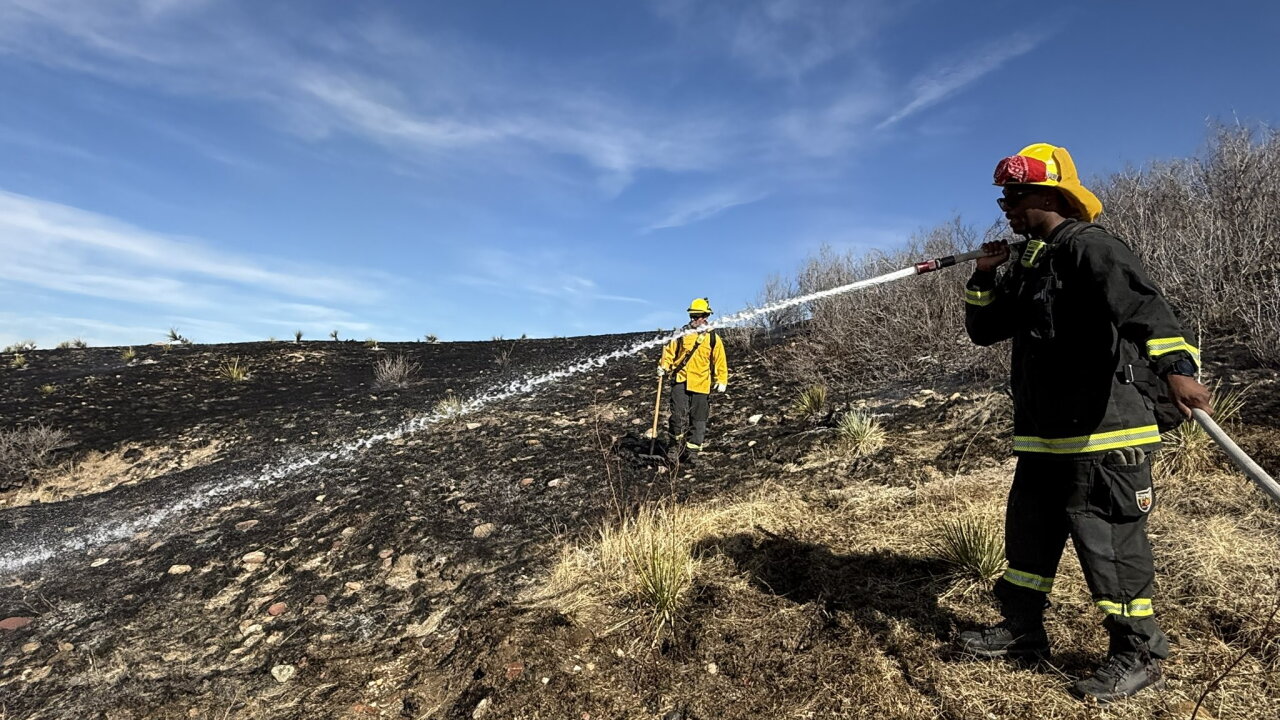


DOUGLAS COUNTY, Colo. - The threat of wildfires is high across Colorado.
In an effort to keep people safe, agencies across the state are taking part in a new initiative providing workshops for first responders and working to create consistency in best practices for responding to wildfires.
It's called Wildfire Initiated Community Conflagration. The goal of the initiative is simple: keep communities safe from the unpredictability of wildfires.
▶️ WATCH: Denver7's Tyler Melito spoke with officials to learn more about Wildfire Initiated Community Conflagration
"[Wildfires are] the No. 1 thing we consider on where people are moving to staff trucks to make sure we have the coverage," Larkspur Fire Lt. Rusty Booth said.
More than 100 agencies across the state have already taken part in WICC workshops.
Mike Chard, Director of Emergency Management for Boulder County, is helping spearhead the effort.
"The first workshop was around risk profile, what causes these wildfire configurations," Chard said. "The next one was alert warning, evacuations. Then followed up with effective fire response, and then the last one was command and control. How do we manage these large scale incidents?"
Also playing a big part in WICC is Douglas County Emergency Management Director Mike Alexander.
Alexander said WICC will allow first responders to better respond to fast fires, such as the Marshall Fire.
"These are wildfires that rapidly transition from the wildlands into our communities, in the built environments," Alexander said. "They're extremely dangerous because of how fast they move and how much they change between a wildland fire and a urban conflagration."
Both Chard and Alexander agree WICC won't be possible without continued buy in from agencies across the front range.
"When we have these events, it's not just done with one fire department or one city or one county, it takes a regional response," Chard said.
They also said constant communication is key, both with the public and with each other.
"We're consistently talking the same way, with the same language, the same conceptual understanding of it, so that then community members, and not just them, but policymakers, can understand what actions can be taken to help address it," Chard said.
"These kind of disasters require partnerships and teamwork without question," Alexander added.

Local
Thousands missing emergency alerts after Arapahoe, Douglas system changes
But at the end of the day, the key for these wildfires to not get out of hand, are the brave people running toward danger.
"We want to be a mutual aid asset, and we want to make sure we're doing everything as much as we want for people to come into our district and do the same thing," Booth said.
Booth adds they are doing everything they can at Larkspur Fire to get firefighters up to speed on WICC, knowing the impacts could be immense.
"We just started some new training where we're getting people out and they're actually doing field trainings on some properties here in the county, so that's played a huge part," Booth explained.
Alexander, Booth and Chard all say it is also vital for residents to sign up for their community's alert system.
List of Colorado emergency alerts:
- Adams County - Adams Alerts
- Alamosa County - Alamosa Alerts
- Arapahoe County - Arapahoe Alerts (Aurora Alerts)
- Archuleta County - Archuleta Alerts
- Baca County - Baca Alerts
- Bent County - Bent Alerts
- Boulder County (and City) - Boulder Alerts
- Broomfield County - Broomfield Alerts
- Chaffee County - Chaffee Alerts
- Cheyenne County - Cheyenne Alerts
- Clear Creek County - Clear Creek Alerts
- Conejos County - Conejos Alerts
- Costilla County - Costilla Alerts
- Crowley County - Crowley Alerts
- Custer County - Custer Alerts
- Delta County - Delta Alerts
- Denver County (and City) - Denver Alerts
- Dolores County - Dolores Alerts
- Douglas County - Douglas Alerts
- Eagle County - Eagle Alerts
- Elbert County - Elbert Alerts
- El Paso County - El Paso Alerts
- Fremont County - Fremont Alerts
- Garfield County - Garfield Alerts
- Gilpin County - Gilpin Alerts
- Grand County - Grand Alerts
- Gunnison County - Gunnison Alerts
- Hinsdale County - Hinsdale Alerts
- Huerfano County - Huerfano Alerts
- Jackson County - Jackson Alerts
- Jefferson County - Jefferson Alerts
- Kiowa County - Kiowa Alerts
- Kit Carson County - Kit Carson Alerts
- Lake County - Lake County Alerts
- La Plata County - La Plata Alerts
- Larimer County - Larimer Alerts
- Las Animas - Las Animas Alerts
- Lincoln County - Lincoln Alerts
- Logan County - Logan Alerts
- Mesa County - Mesa Alerts
- Mineral County - Mineral Alerts
- Moffat County - Moffat Alerts
- Montezuma County - Montezuma Alerts
- Montrose County - Montrose Alerts
- Morgan County - Morgan Alerts
- Otero County - Otero Alerts
- Ouray County - Ouray Alerts
- Park County - Park Alerts
- Phillips County - Phillips Alerts
- Pitkin County - Pitkin Alerts
- Prowers County - Prowers Alerts
- Pueblo County - Pueblo Alerts
- Rio Blanco County - Rio Blanco Alerts
- Rio Grande County - Rio Grande Alerts
- Routt County - Routt Alerts
- Saguache County - Saguache Alerts
- San Juan County - San Juan Alerts
- San Miguel County - San Miguel Alerts
- Sedgwick County - Sedgwick Alerts
- Southern Ute Indian Tribe
- Summit County - Summit Alerts
- Teller County - Teller Alerts
- Ute Mountain Ute Tribe
- Washington County - Washington Alerts
- Weld County - Weld Alerts
- Yuma County - Yuma Alerts

