

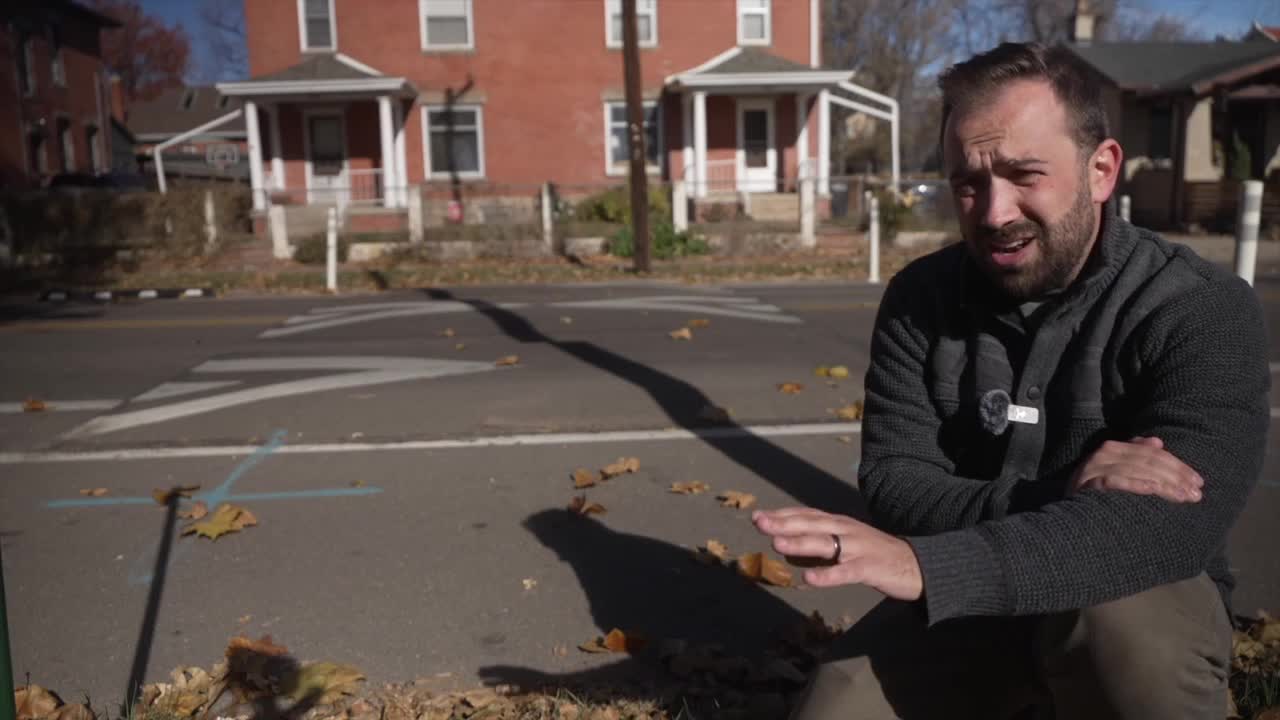


DENVER — 29th Avenue between Zuni and Sheridan has always been a busy corridor.
"We've been here since 2003 in the neighborhood, and it was easier to drive on it, of course, easier to park. However, there were a lot of crashes," Paul Gourin said.
See what the road looks like in the video below:
Those crashes convinced the city to make a number of changes to the roadway, which were completed in the spring of 2025.
The Department of Transportation and Infrastructure released a study showing how those changes have improved safety. The study says in the year following installation, crashes are down by 57% and there were zero serious crashes.
They've made a lot of changes, but by far the easiest to notice is the sheer amount of speed humps that they've installed.
"I don't mind it because I drive slow anyways. But my husband doesn't like it because he is constantly worrying about what it's doing to the to the car," Frances Medalen said.
Another major change was the introduction of pedestrian crosswalks, which include warning lights when you press the button.
"The road was pretty busy before they made the changes, and I think with pedestrians trying to cross, it was a lot harder," Patty Barnes said.
A giant speed limit sign painted on the ground is one more thing you're likely to notice, especially if you're coming off Sheridan. The city changed the speed limit from Sheridan to Zuni to 25 miles per hour.
"I think it's quieter because they can't fly, you know, you can't go so dang fast," Barnes said.
The city also added a dedicated bike lane on each side of the street, and the study says bicycle and scooter usage has increased by 79%.
"It's well guarded, and the speed bumps. The cars aren't going so as fast, so I feel safer. I feel more, more at ease using it," Walter Holak said.
The overall sentiment seems to be that for bikes, it's way better. For cars, it's a little annoying to drive on. And for safety, it's a huge improvement.
"For driving convenience, it was better the other way. But of course, if it's saving lives, if it's helping people in the neighborhood, then it's better this way," Gourin said.
As for advice to drivers navigating the corridor:
"Just go safe, take your time, give yourself time to get where you're going," Holak said.
You can find the study yourself on the DOTI website. Just click the dropdown for "Ongoing Evaluations" and click on the study for "Corridor-wide traffic calming".
This story was reported on-air by a journalist and has been converted to this platform with the assistance of AI. Our editorial team verifies all reporting on all platforms for fairness and accuracy.




Denver7 is committed to making a difference in our community by standing up for what's right, listening, lending a helping hand and following through on promises. See that work in action, in the videos above.