

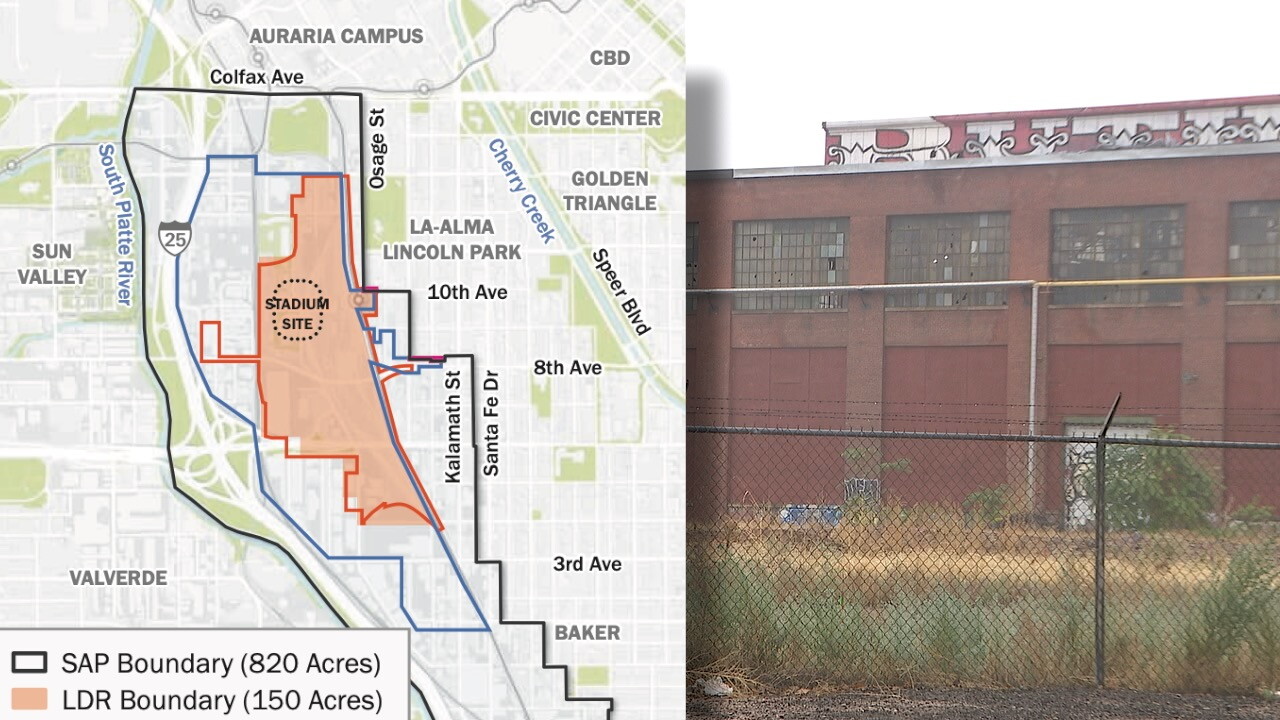


DENVER — After more than a year of planning, Denver released its 20-year vision for neighborhoods surrounding the proposed new Broncos stadium at Burnham Yard, giving residents their first look at how communities could grow and change over the coming decades.
The Burnham Yard Small Area Plan covers 820 acres from Colfax to Alameda Avenues, outlining early plans for transportation, retail and entertainment development, and strategies to keep housing affordable as the area develops.
The plan calls for future development with a range of housing types at different levels of affordability. The city said one of its main priorities is to prevent displacement of people and businesses already in the area. The potential for property values to rise after the stadium is built has brought optimism for some and concern for others.
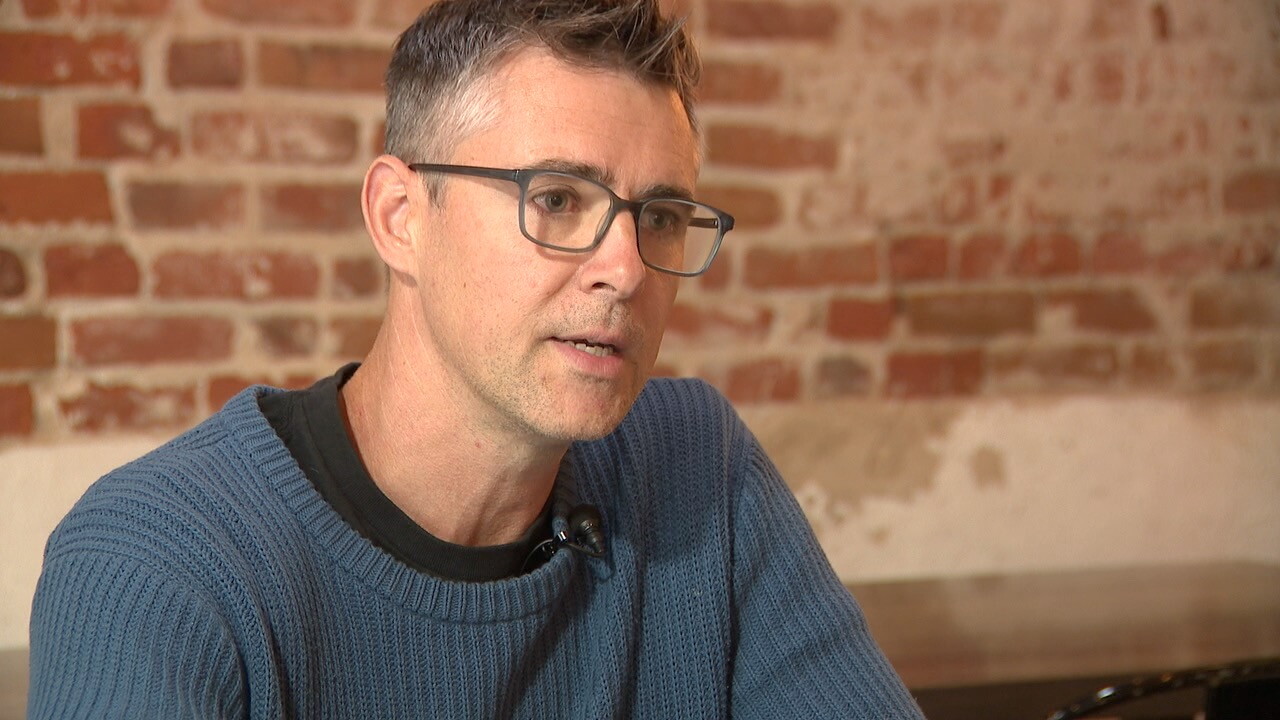
"The land's going to become more desirable, and I think that there's a lot of people that are in potential danger at having their property taxes go up and pushing them out," said Baker resident Jim Abraham.
The plan also outlines goals to add more transit services near the stadium and create a network of trails through the area. City planning officials included a proposal for a new corridor running north and south from Colfax to Alameda Avenues called Burnham Parkway.
Read the Full Plan For Yourself Below
"The idea generally is to create more connectivity through the site to make it to alleviate some of the pressures of when you have that many people sort of leaving at the same time, you know that's one of the new connections that will happen," said Alexandra Foster, a spokesperson for Denver's Community Planning and Development Department.
Abraham said this could help alleviate traffic and guide game day traffic away from neighborhood side streets.
"I think that directing traffic north and south to the arterials and the highway is a really great way of thinking about this," said Abraham. "We just want to make sure that it's, you know, it's kept safe. We don't have the noise, the smog, and the danger of cars coming through the neighborhood at high speeds."
Beth Fluto, president of the Baker Historic Neighborhood Association, said she’s pleased with the city’s response to residents’ feedback and said she believes their voices are included in the blueprint for the area’s future.
"Our biggest concerns were and always have been traffic coming through the neighborhood, particularly after the games and parking lots, like we do not want to become a parking lot for the Broncos," said Fluto.
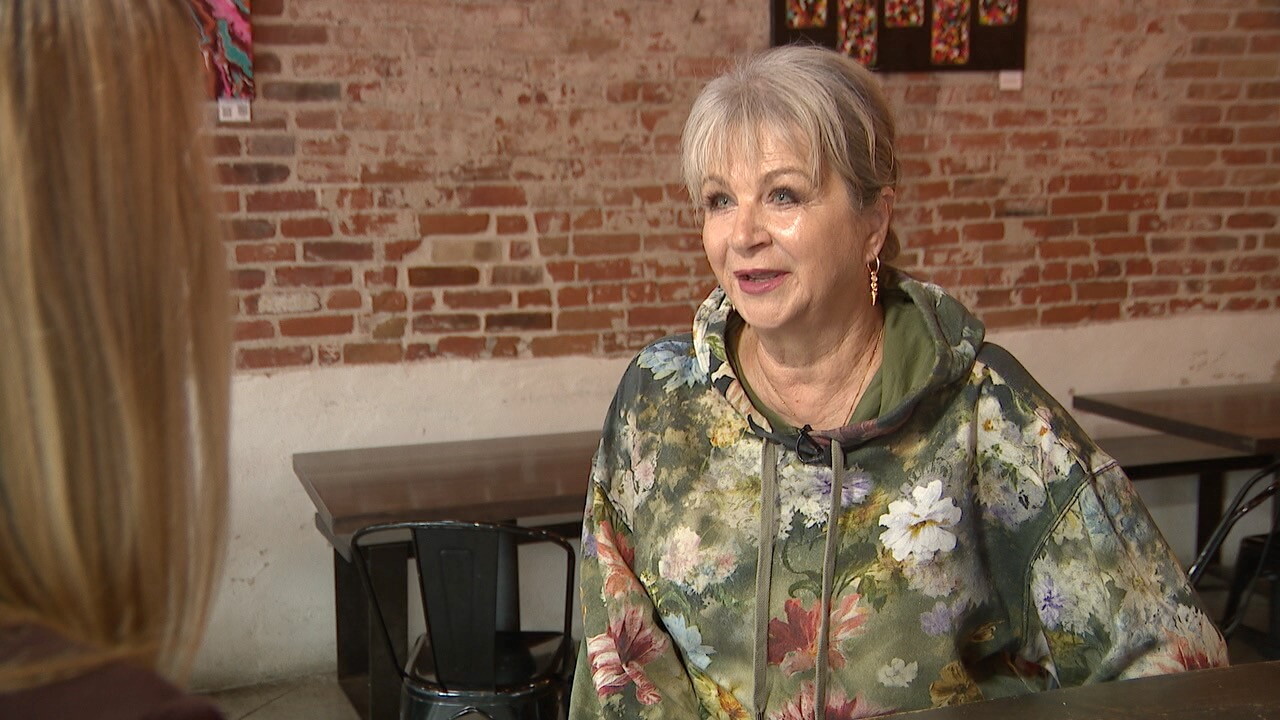
Foster said the city's goal is to develop the site in a way that supports the community that's already there.
"It's been sort of undeveloped for a really long time, and something that the community was interested in seeing sort of taken care of in some way, and so it's something that's been on the city's radar for a long time," she said.
Denver City Council is expected to vote on the plan in January. The new Broncos stadium could start construction as early as 2027, with an expected opening in 2031.


Denver7 is committed to making a difference in our community by standing up for what's right, listening, lending a helping hand and following through on promises. See that work in action, in the videos above.