

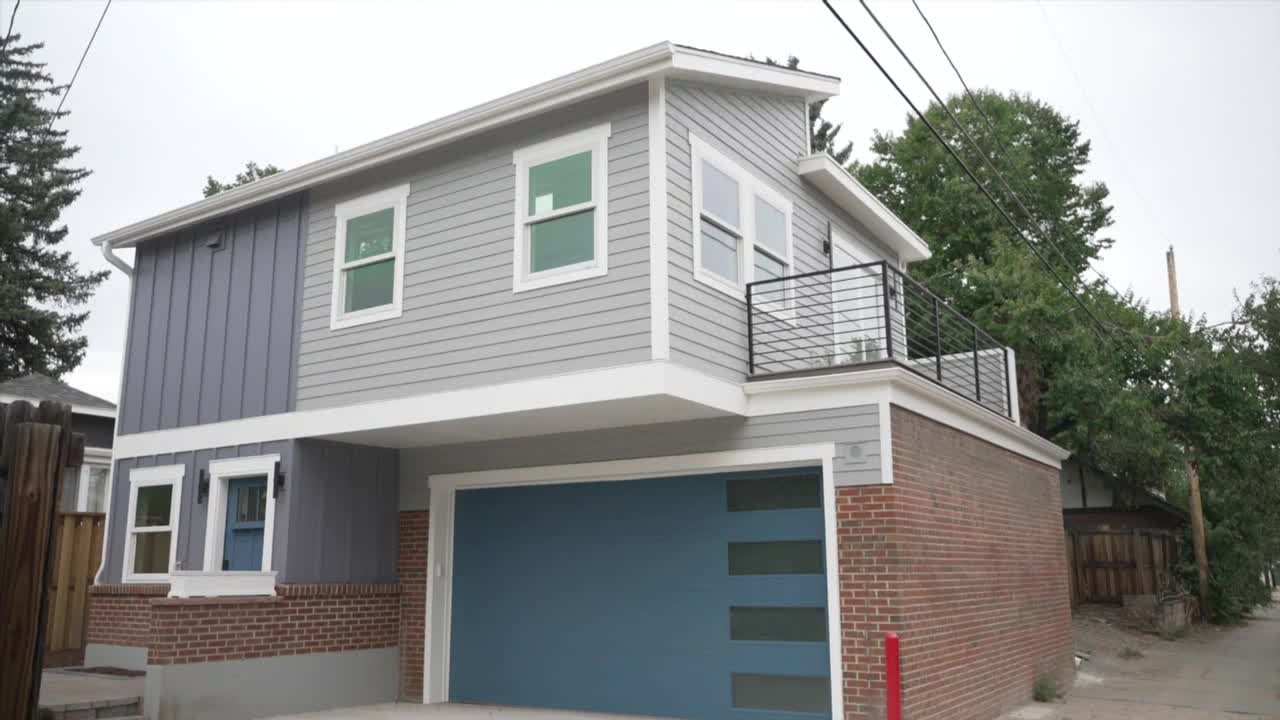


DENVER — Small homes tucked behind existing houses — known as accessory dwelling units, or ADUs — are emerging as one proposed solution to Denver's housing crisis, but a city-backed program designed to make them affordable faces an uncertain future.
ADUs are self-contained homes built on the same lot as an existing house. Sarah Senderhauf, sales manager at L&D Construction, said her company has been building them in Denver for about 10 years.
"When we first started, you looked at a map of Denver, and it was like a checkerboard as far as where they were allowed to be built," Senderhauf said.
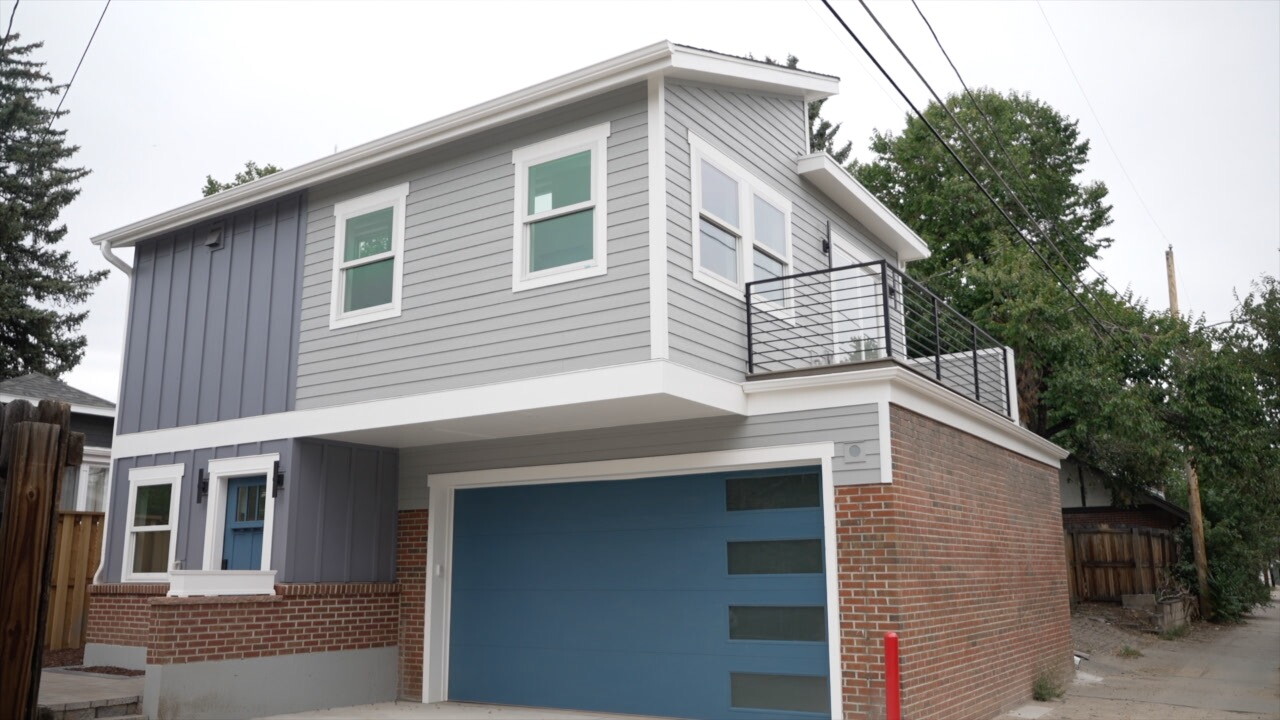
West Denver neighborhoods were among the first to allow ADUs. It wasn't until 2025 that Denver expanded ADU zoning citywide — and demand exploded.
The Denver Housing Authority, or DHA, runs the Single Family Plus program, which launched in 2019. Through the program, homeowners can receive technical support and an average of $50,000 toward ADU construction, provided the units are rented to households earning up to 80% of area median income.
Watch Ethan's report on Single Family Plus below:
Renee Martinez-Stone, chief strategy and planning officer at DHA, said the idea originated with residents.
"The idea really came from the community," Martinez-Stone said. “We were there as a group of partners to help bring that to fruition.”
Martinez-Stone said the program is seeing rents well below the maximum allowed.
"We're seeing 37% max rent across our ADUs," Martinez-Stone said. “It's an amazing number. It exceeds our expectations.”
Still, the program's future is uncertain. The original goal between Denver's Department of Housing Stability, or HOST, and DHA was to complete 44 ADUs by the end of this year. So far, only 26 have been completed, with 12 more in the pipeline to be finished through an extension running through 2028. That shortfall means DHA stands to lose thousands in funding it expected to receive from HOST.
HOST said in a statement:
"The current SF+ADU agreement was set to end this year, and HOST is recommending an amendment to extend the contract timeline and adjust the program scope so DHA can complete the ADUs currently in the development pipeline. The amendment process is underway and will be reviewed by HOST before going to City Council for approval sometime this fall.
Since 2019, 26 ADUs have been delivered toward a goal of 44. Delays have stemmed from rising costs, supply‑chain challenges, and the pandemic. DHA has nearly $1 million in unspent funding, and without this adjustment those dollars would sit unused for the next two years. HOST values DHA’s partnership, and our goal with the extension is to right-size the budget, ensure committed dollars are used effectively and that every ADU in the current pipeline gets built..."
When asked whether the program has been a success, Martinez-Stone did not hesitate.
"Absolutely… the average rent that we're seeing for these, is a success. We're preserving all of these homes. We're creating infill development that's in character with the neighborhood," Martinez-Stone said.
For Senderhauf, the path forward is clear.
"I think ultimately we need more housing built, and that is the key to affordability," Senderhauf said.
This story was reported on-air by a journalist and has been converted to this platform with the assistance of AI. Our editorial team verifies all reporting on all platforms for fairness and accuracy.


Denver7 is committed to making a difference in our community by standing up for what's right, listening, lending a helping hand and following through on promises. See that work in action, in the videos above.