


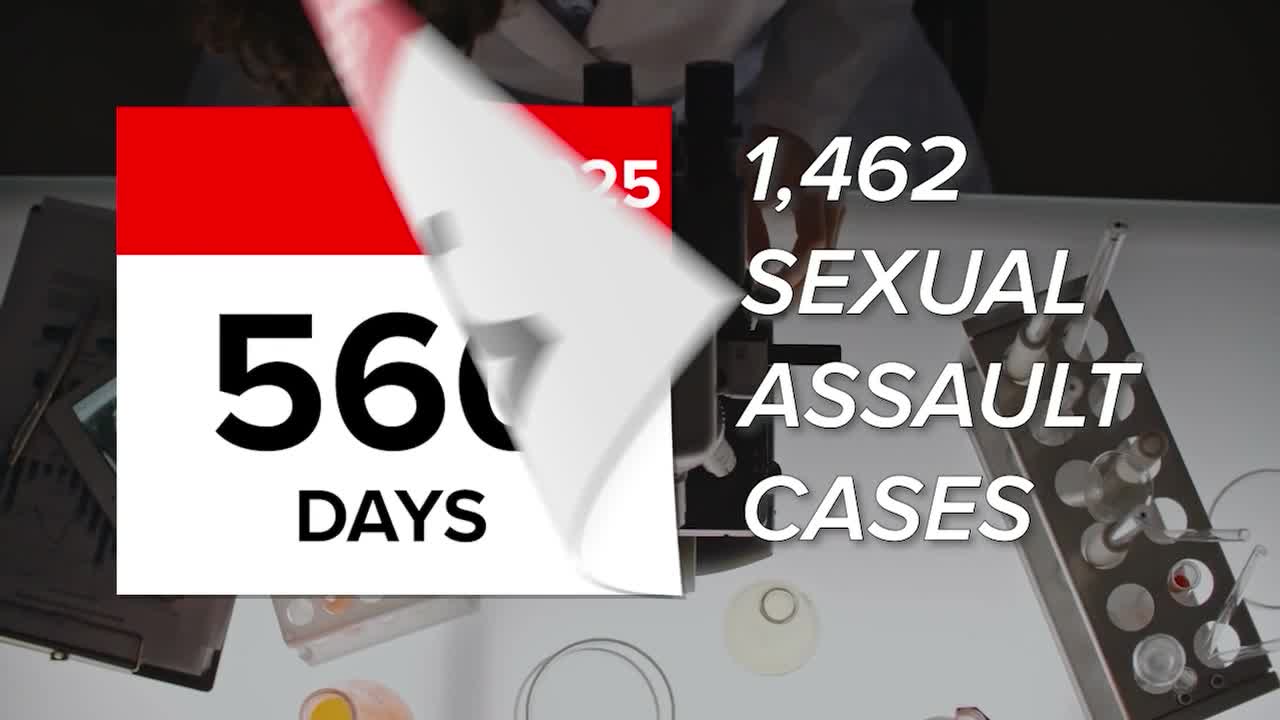


DENVER — After a shocking revelation at the Colorado State Capitol last year highlighted sexual assault survivors waiting more than a year on results of their DNA evidence testing, lawmakers called for immediate change within the state agency responsible for the backlog.
Now, the target turnaround time for testing rape kits in Colorado is ahead of schedule by seven months.
Still, legislators told Denver7 the work is far from over when it comes to a collective understanding of how sexual assault cases are treated by the criminal justice system.
According to data from the Colorado Bureau of Investigation (CBI), over 1,400 sexual assault cases were caught in a historic evidence testing backlog at this time last year. Survivors were forced to wait more than 500 days for their results.
"We should never ask our survivors to wait that long for answers," said State Rep. Jenny Willford, D-District 34.
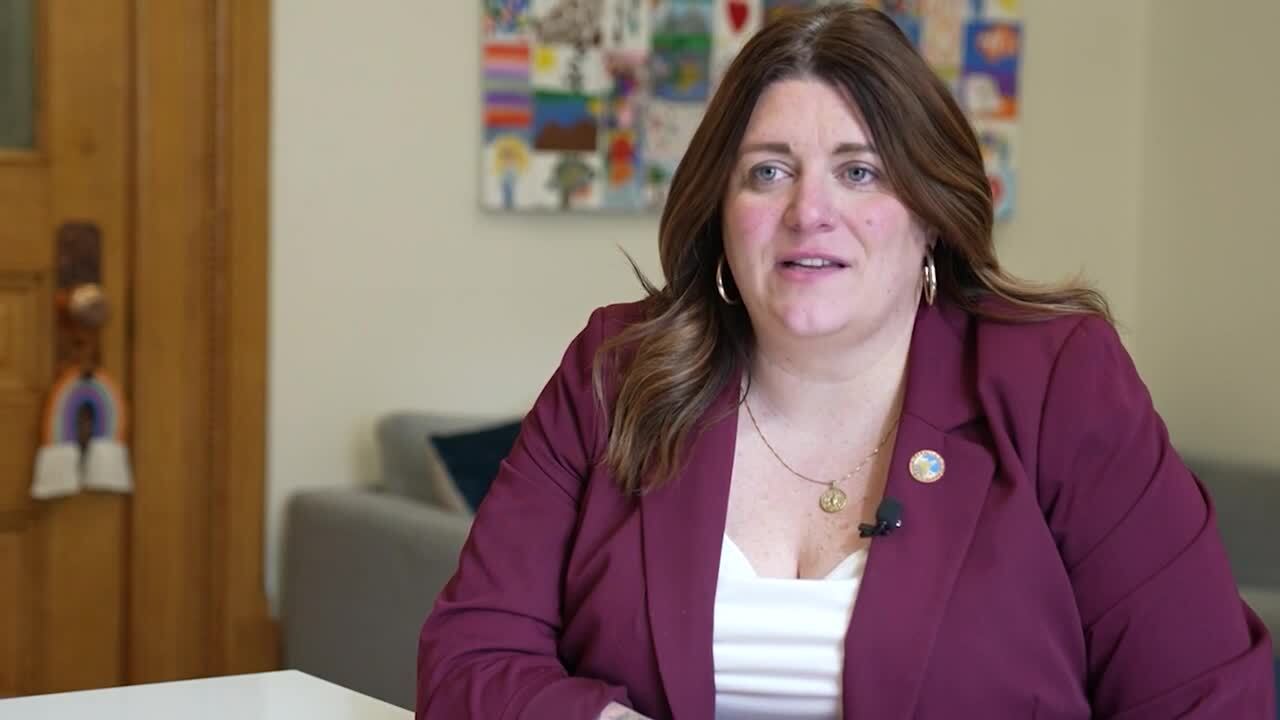
Willford learned about the staggering backlog of DNA rape kits when her own case was added to the list.
"I was sexually assaulted by a Lyft driver in view of my home in 2024. And part of the investigation was collecting DNA, and that DNA went into the sex assault DNA evidence work stream at the Colorado Bureau of Investigation," Willford explained. "When you consider public safety, you consider the impact and the toll that takes on survivors, their family members, and on communities — that turnaround time was unacceptable."
Three million dollars' worth of funding from state lawmakers was granted to CBI to help clear the backlog of DNA evidence and sexual assault kit tests with the assistance of private, external labs.
"I am really thankful, a year later, that we did make that investment, because the state is now on track, and the Colorado Bureau of Investigation is now on track," Willford said. "These new numbers are significant because we were initially estimating that the department would not be able to turn around cases in 90 days until potentially next April."

CBI originally estimated reaching their goal — a 90-day turnaround timeline — by April of 2027. The agency is roughly seven months ahead of schedule, and is now on target to hit that 90-day goal by September of this year.
The current turnaround time for forensic medical evidence tests has been essentially cut in half, with 263 days needed for results by the end of January. That turnaround time is expected to reach 241 days by the end of February.
CBI reports a turnaround timeline of 111 days by July.
As of Jan. 31, 614 sexual assault evidence kits are waiting to be tested by scientists at CBI.
There are 19 DNA scientists currently working at CBI, with 12 DNA analysts in training. Seven of those in training are expected to complete the program early this year.
"I'm really happy with the significant amount of progress that has been achieved, and we still have a very long way to go, and I am going to continue to watch the numbers," Willford said. "I'm going to continue to stay involved with CBI. I'm going to continue to work with survivors to make sure that, every step of the way, these voices are included and that we are doing right by our survivors."
In a statement provided to Denver7, CBI Director Armando Saldate said "we are incredibly proud of the hard work and dedication of our scientists and staff that has put us on track to meet our 90-day turnaround goal well before our initial projection."
Saldate said the agency is "excited by the progress" made, but acknowledged there is "a lot more work to do."
"We recognize the immense responsibility that remains. Our commitment is to eliminate the backlog and ensure timely justice for every victim, and we know we still have a long way to go to reach that sustainable goal."
The backlog of sexual assault evidence kit testing was exacerbated by an intensive investigation into a former CBI forensic scientist accused of mishandling DNA evidence.
Yvonne "Missy" Woods, 65, pleaded not guilty on Wednesday to a total of 102 felony charges: 52 counts of forgery, 48 counts of attempting to influence a public servant, and one count each of perjury and cybercrime, for alleged misconduct that impacted more than 1,000 cases between 2008 and 2023.
Woods retired in November 2023 after working at CBI for nearly three decades. Half of the lab work done in 2024 at CBI was dedicated to reviewing her cases.
“I’m very proud of the progress Colorado has made, and that’s thanks to the work of legislators like Rep. Willford and the hard work of the folks at CBI. But we need to do more to turn around results quicker. I am committed to making Colorado safer for everyone, and that includes ensuring that the Colorado Bureau of Investigation has the resources needed to quickly clear the backlog to support sex assault victims and hold criminals accountable.”
- Colorado Gov. Jared Polis
Willford said the progress made on the backlog is only the beginning of the change she wants to see when it comes to sexual assault cases.
"The funding helped to correct a problem and get it back and get our testing back on track. But it does not fix the experience that survivors have," said Willford. "It shortens the amount of time, certainly around DNA evidence, but it does not change behaviors. It doesn't change minds about how people think about and view sexual assault, and it's certainly not challenging law enforcement or any other parts of our justice system to be more trauma-informed."
State Sen. Mike Weissman, D-District 28, agreed with Willford's sentiment.
"It's only a good thing that we seem to be ahead of schedule, but we're not all the way to where we want to be just yet," Weissman said. "Frankly, we know that there are states that really have these processes efficient and dialed in that can turn around [test results] in 30 days."

Weissman is pushing to allocate another $1 million through a budget amendment to CBI to continue chipping away at the backlog of sexual assault evidence kits. He believes lawmakers can find that funding, despite a budget shortfall of roughly $850 million.
"There are private labs that are capable and credentialed to do this work. They don't do it for free. So, if we want to move things faster, if we want to have more capacity, do better for survivors who are waiting on the state to process these kits, we just need to find funding for it," Weissman said. "We are in a tight budget situation here, but the budget reflects our values and priorities, and I continue to believe this is something that we need to prioritize."
Weissman and Willford, along with State Rep. Meg Froelich, D-District 3, are running a new bill this year that is not directly connected to the backlog but aims to support survivors in different ways.

Politics
Bill would allow request to retest DNA evidence if lab employee broke the law
On Wednesday, Senate Bill 26-095 was introduced in the Colorado State Capitol and aims to enact a handful of measures sponsors believe will support victims and survivors of crime.
Among the proposals in the bill is a requirement for those who perform medical forensic examinations to inform a patient about how to find out when the testing on their case is completed, along with how to obtain those results.
SB26-095 continues to advocate for sexual assault survivors treated in an emergency room to receive a 30-day supply of medication intended to prevent sexually transmitted infections.
Weissman said the legislation would protect survivors from lawsuits meant to intimidate them.
"We're going to have what we call an Anti-SLAPP provision. What some people unfortunately grapple with is if they are simply trying to talk honestly about their experience of being victimized by sexual assault, by domestic violence, maybe by human trafficking — frankly, sometimes somebody who has done something wrong to you, who has offended criminally against you, will threaten you with a lawsuit," said Weissman. "We need to have a mechanism to deal with that and keep people who are victims from being further victimized."
The bill seeks to change Colorado law on forced arbitration as well. Arbitration is a way to resolve a case outside of the courtroom.
"Fortunately, there was bipartisan legislation in Congress a number of years ago that said for sexual harassment, sexual assault matters, people have the right to, for civil remedies, to go to court and not be forced into a kind of shadow court arbitration process if they don't want to be. That was a good change in federal law. We just want to make the same change in our state law," Weissman said.
Another section of the new legislation would, under certain circumstances, give survivors of domestic violence, unlawful sexual behavior, stalking, or human trafficking the option to testify via closed-circuit television in a space outside of a courtroom.
"We have already made provisions in our law where, for example, child witnesses, maybe folks with a developmental disability, can go into a different room in the courthouse and testify essentially over a video link, if that is more safe and makes it possible for them to even testify at all," Weissman explained. "We want people to be able to come into court and give evidence in a proceeding. So, we're trying to have a mechanism for them to do that in a little bit of a sequestered way, where they would be there, be able to testify, be able to be cross-examined, but on video in a way that just makes it a bit more possible for them."
In addition, SB26-095 would require annual, two hour trauma-informed training programs for peace officers.
