

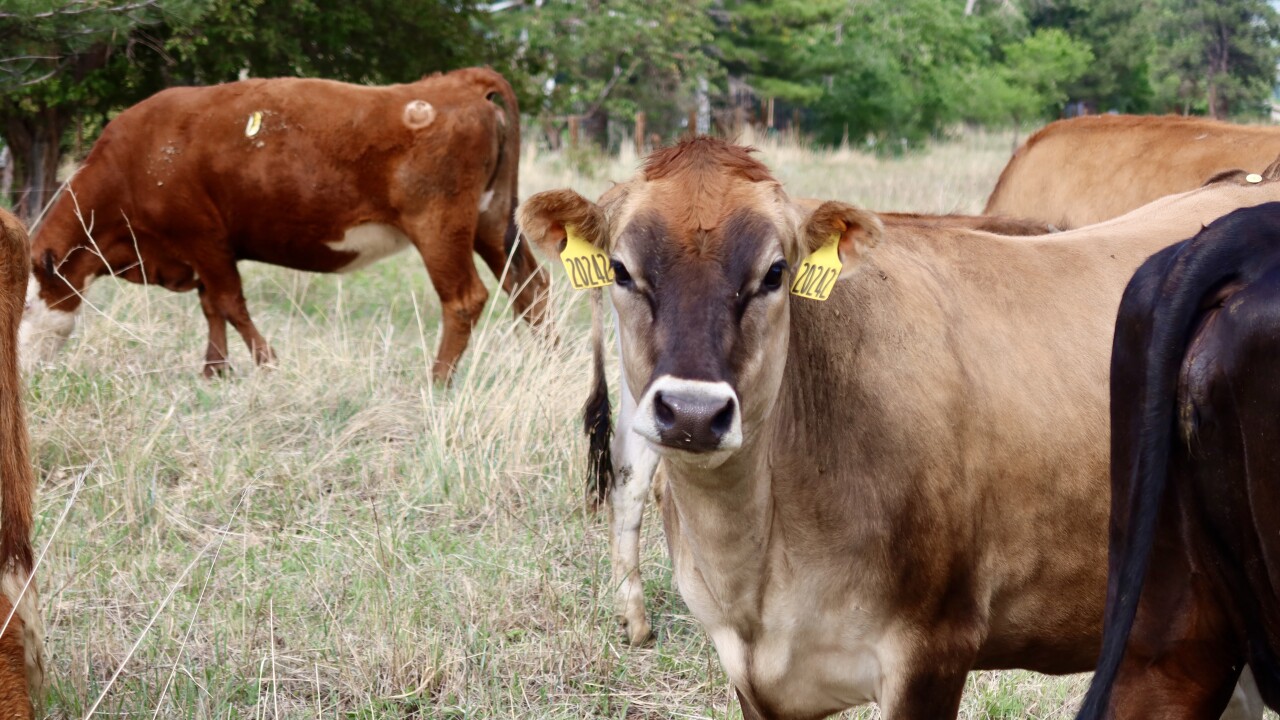


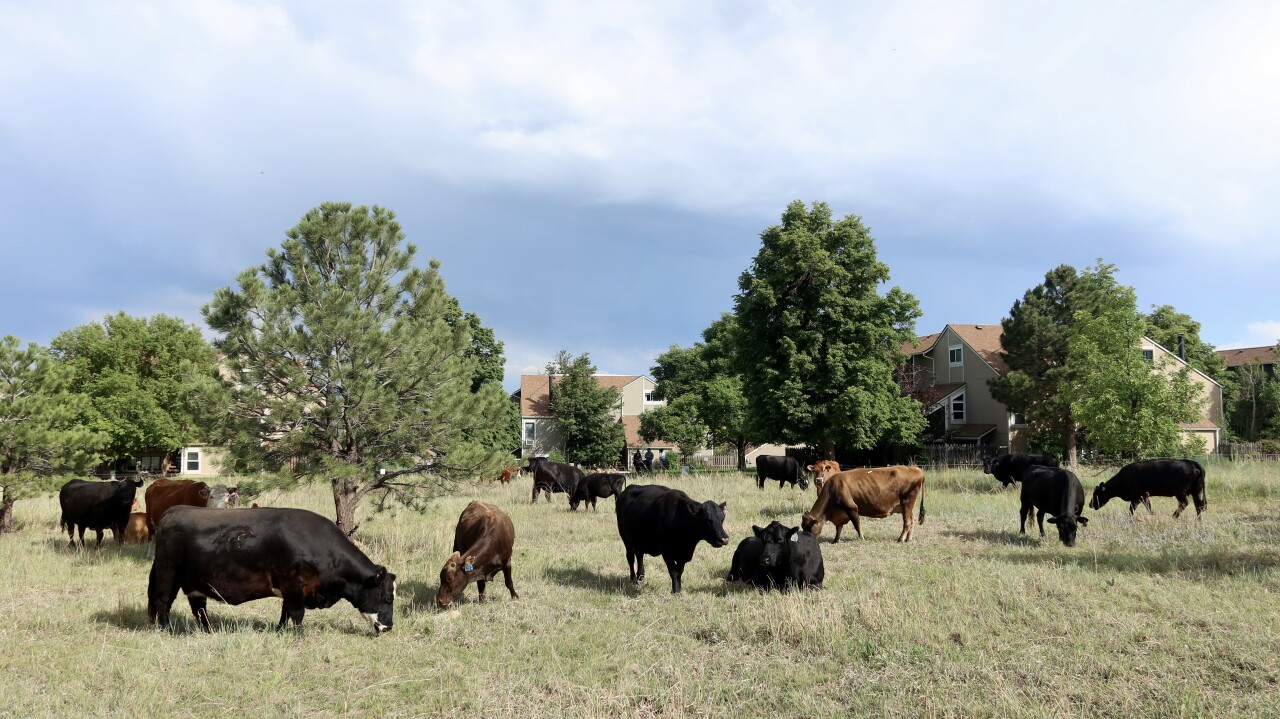
BOULDER, Colo. — Cattle grazed nearly 12 acres across Boulder's Shanahan Ridge neighborhood this spring, reducing wildfire risk while bringing neighbors together in the process.
The six-day pilot project was a collaboration between the City of Boulder and The Watershed Center, a Longmont-based nonprofit. Cattle moved through grazing areas managed by five homeowners associations, eating tall grasses that could help a wildfire spread quickly.
Shanahan Ridge was selected because it was identified as a high-risk area in the 2024 Boulder County Community Wildfire Protection Plan.
"The neighborhood of Shanahan Ridge is right on the border of open space," said Chiara Forrester, Forest Program Director for The Watershed Center. "There's many acres of grasslands directly adjacent, and this is an area that, through a community wildfire protection plan, was identified as being high risk and really important to reduce risk too."
Forrester said the area's density also factored into the decision.
"There's a lot of people in that area that would all need to be evacuated at once, and so when we see that combination, we want to make sure that we're getting in there and reducing fuels as much as we can," Forrester said.
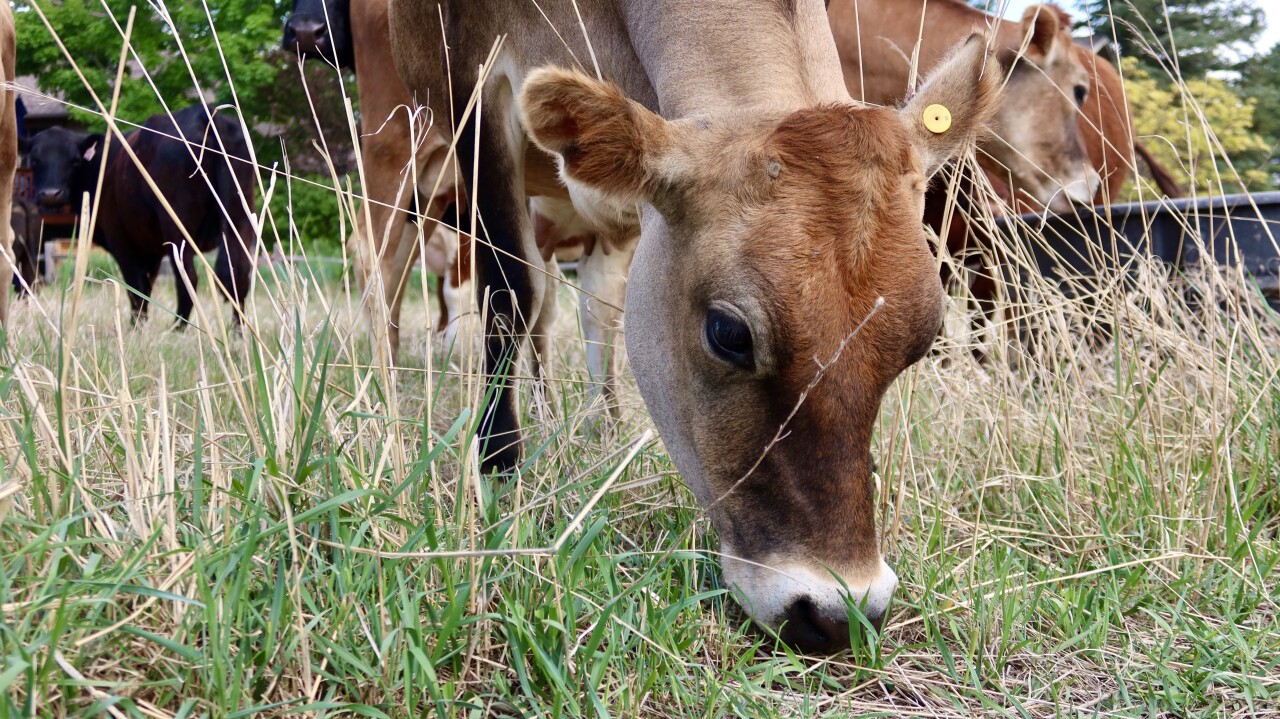
Project partners chose targeted cattle grazing over mowing because of its added ecological benefits.
"When we use mowing, what happens is we leave behind those grass clippings that can dry out, and that can make it so there's still that fuel left on the ground for a wildfire to move through," Forrester said. "When we use cattle, they reduce that through eating the fuel that they're trimming down."
Forrester said the cattle also mimic the role bison once played in shaping the region's ecosystems.
The project's target was to reduce grass height to between 4 and 6 inches — a benchmark grounded in wildfire science.
► Watch Claire Lavezzorio's report in the video below:
The cattle hit that target exactly — in just six days.
The project also sparked an unexpected sense of community. Neighbors gathered to watch the cattle, many with their children and dogs. One cow, named Oreo by residents for its white stripe, became a neighborhood favorite.
A community survey conducted by The Watershed Center during and after the project found residents overwhelmingly viewed it positively.
One community member said, "independent of the reduction in fire risk and improvements to the ecosystem, having the cows in the neighborhood was a special treat to have such a close connection to the animals for those of us in the suburbs. They were entertaining and provided a gathering point for the neighborhood. I saw many people watching them and connecting in ways that felt like it undid some of the isolation left from the pandemic."
More than 90% of survey respondents said they would support future grazing in Shanahan Ridge as a wildfire risk reduction tool.
Forrester said community engagement is central to the long-term success of wildfire resilience work.
"It's so important to always talk about people whenever we're talking about the landscape itself," Forrester said. "We want community members to be talking to each other to understand their risk and to ultimately prepare for it together. And so, when we bring in community on projects like this, it means that we're not only achieving the goals in the short term, we're also helping that community be better prepared to solve this problem themselves."
After the grazing phase, crews will trim grass directly next to homes and along evacuation routes to create shorter, more consistent grass heights that can help firefighters defend homes during a wildfire.
The Watershed Center plans to continue working with the City of Boulder Open Space and Mountain Parks on projects across Boulder, as well as with forested communities in Boulder County.
Community members who want to start their wildfire resilience journey can sign up for a detailed home assessment through Boulder Fire-Rescue or reach out to The Watershed Center at cforrester@watershed.center. To learn more about wildfire resilience work in the City of Boulder, visit bouldercolorado.gov/WildfireReady.
This story was reported on-air by a journalist and has been converted to this platform with the assistance of AI. Our editorial team verifies all reporting on all platforms for fairness and accuracy.

