



DENVER — During the season of flowers and chocolates, the Federal Bureau of Investigation is warning Coloradans that love isn’t the only thing in the air — scammers are on the prowl for hearts and wallets.
In 2024, 409 Colorado victims reported losing $15,847,070 to romance scams, according to the FBI’s Internet Crime Complaint Center (IC3). Officials stress the numbers are likely higher, as many people never report their loss — or even realize they’ve been deceived.

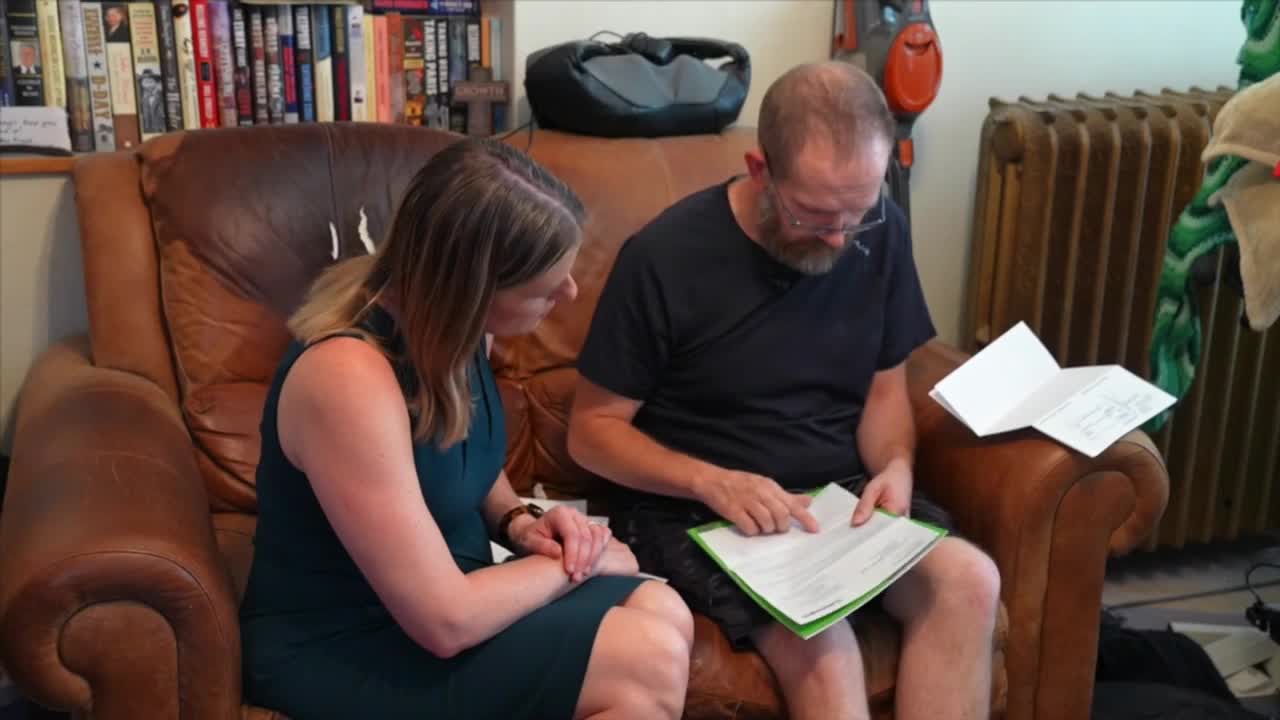
Elizabeth, a Lakewood resident who asked not to use her last name, knows the sting all too well.
She met two men on the dating app Plenty of Fish who showered her with attention and promises of cryptocurrency profits. The first man she considered an investment advisor, but the second man was a romantic interest who assured her the investments were legitimate.
Over a few months, she sent them more than $14,000 from her 401(k), trusting their advice — even after banks and crypto companies warned of fraud.
“They love bomb you,” she said. “There were many signs along the way that I ignored.” Elizabeth believes her ADHD and desire for connection after a breakup made her vulnerable to the emotional pull.
Fraud experts say romance scams are now more polished because of artificial intelligence. Claudia Sanchez, with BOK Financial, says AI can perfectly mimic voices, create realistic video calls, and produce flawless fake investment websites — making it harder for victims to tell if they’re being duped.

In most cases, the victims cannot get their money back, though there are instances when acting quickly has made a difference, Sanchez said.
"Because we were alerted immediately, I contacted the other financial institution, and we were able to get on the move as soon as possible," said Sanchez. "But not everybody gets the same success story. Sometimes people lose their life savings."
The Better Business Bureau reports a rise in crypto-themed romance scams in which scammers pose as wealthy, caring partners offering “investment opportunities” for the couple’s future.
Once the victim transfers funds into the scammer’s fake platforms, the money is gone.
"A lot of these fraudsters are not even based in the U.S.," said Cameron Nakashima with the Better Business Bureau. "For most of them, they know how to cover their tracks, and so they're setting up crypto wallets that are almost impossible to trace."
Cupid’s caution: FBI tips to protect yourself this Valentine’s season
- If they rush you off the dating app into private messages, be wary.
- Love should never come with a request for money or “investment.”
- If you’ve only spoken online or by phone for months and they avoid meeting in person, consider it a major red flag.

Elizabeth says telling her story is worth the risk if it saves someone from the same heartbreak.
The FBI urges anyone who suspects they are being targeted to stop communication immediately and file a report at ic3.gov.

