



DENVER — Denver7 Investigates has covered water worries in Colorado’s mobile home parks for years, with residents in many communities saying their tap water is unsafe to drink.
Now, lawmakers are moving to crack down on park owners who fail to fix those problems.
The Colorado House passed HB26‑1145, sponsored by Representatives Elizabeth Velasco (D‑Glenwood Springs) and Jacque Phillips (D‑Thornton), by a vote of 42‑22 last week.
The legislation would expand enforcement of the state’s Mobile Home Park Water Quality Program, add to the definition of violations, and increase fines for noncompliance.
A History of problems
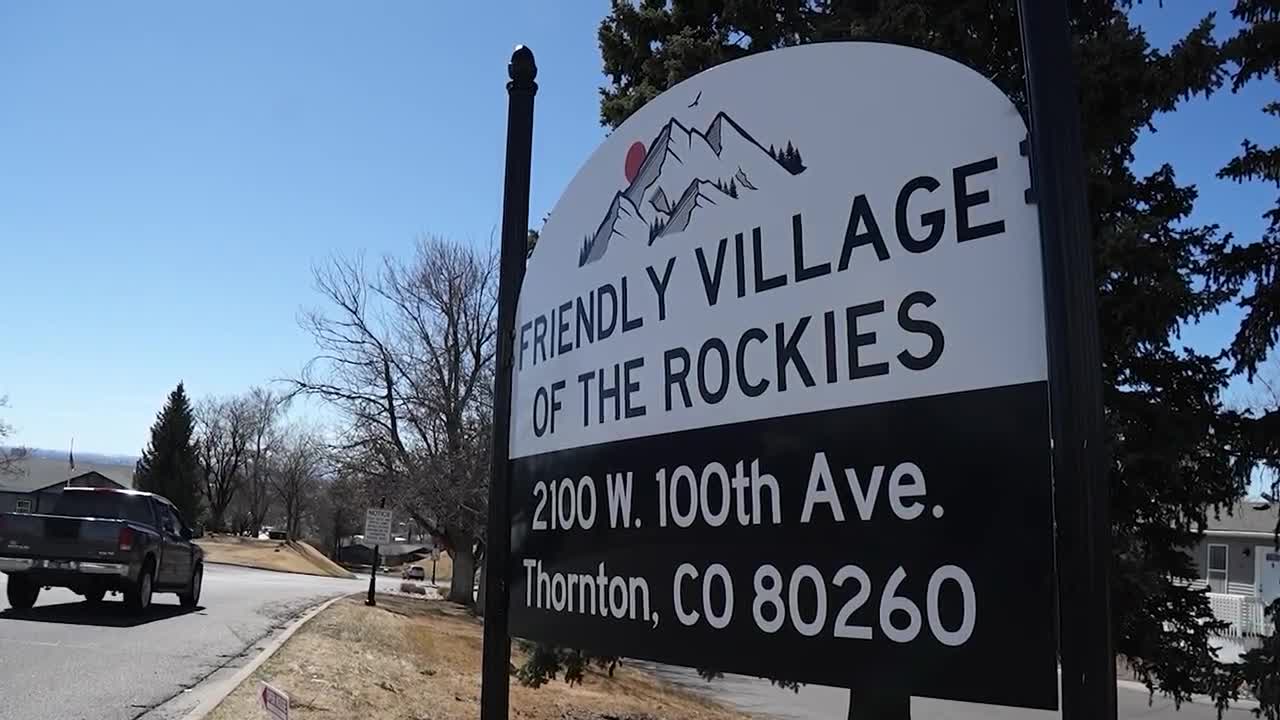
At Friendly Village Mobile Home Park in Thornton residents have complained about foul‑smelling, discolored water.
“We don’t drink it — we buy bottled water,” said resident John Leger, who said he doesn't like the way the water tastes.
Another longtime resident, Jennifer Cunningham, told Denver7 Investigates, “If you don’t use a filter and you fill a cup up, you can see little particles floating around in the water. We get the big containers, put filters on our water, but we still don’t really drink it with the filters. We use that more for cooking.”
Stronger enforcement
Velasco said HB26‑1145 is a follow‑up to the 2023 Mobile Home Park Water Quality Program, which launched statewide testing.
“In the first bill, we were looking to do the testing. Now that some of the parks have been tested, there’s a need for remediation, fines and making sure people have access to clean water. We have found that 90% of the mobile homes that have been tested are fine, but that 10%… we’re finding arsenic, E. coli,” Velasco said.
The bill would:
- Ban rent increases while water quality problems remain unresolved.
- Require owners to notify residents of test results without a complaint being filed first.
- Raise fines for failing to comply with remediation orders from $1,000 a month to $10,000.
“There’s no price on your family’s health and on people in Colorado’s health, but it is a step toward making sure that we all have clean water,” Velasco said.
Risk to welfare
HB26‑1145 also expands the definition of “remediation” to include water not suitable for everyday uses such as cooking, bathing, and washing clothes, even if it meets federal safety standards.
Negative financial impacts, such as residents having to buy bottled water, are also considered a “risk to welfare.”
“No one should be expected to cook with, drink or bathe in water that is brown and has an odor,” Phillips said in a statement. “This bill helps ensure that water quality issues that risk resident welfare are also addressed.”
Accountability for bad actors
Velasco says some park owners are corporate investors from out of state who raise rents sharply, flip properties, and avoid fixing water problems.
“It’s no surprise that some of them are bad actors… looking to make a profit and don’t really care for the well‑being of people,” she said.
The bill has already passed the House and is moving to the Senate for further debate.
Denver7 Investigates reached out to the Colorado Manufactured Home Coalition, which proposed amendments to the legislation, to get their perspective, but did not receive a response.

