



LONE TREE, Colo. — The City of Lone Tree is proposing changes to its zoning code as a possible solution to wildfire risk concerns.
City leaders said the community raised these concerns as Lone Tree worked to create a Community Wildfire Protection Plan last June. Now, city leaders are working to take it one step further by adopting the state’s Wildfire Resiliency Code. It aims to reduce the risk of wildfire to people and property, and it could mean some changes to homeowners.
Impacted landowners should have received a letter detailing a proposed zoning amendment to add a Wildland Urban Interface District to the city’s official zoning map, essentially identifying areas of wildfire risk.
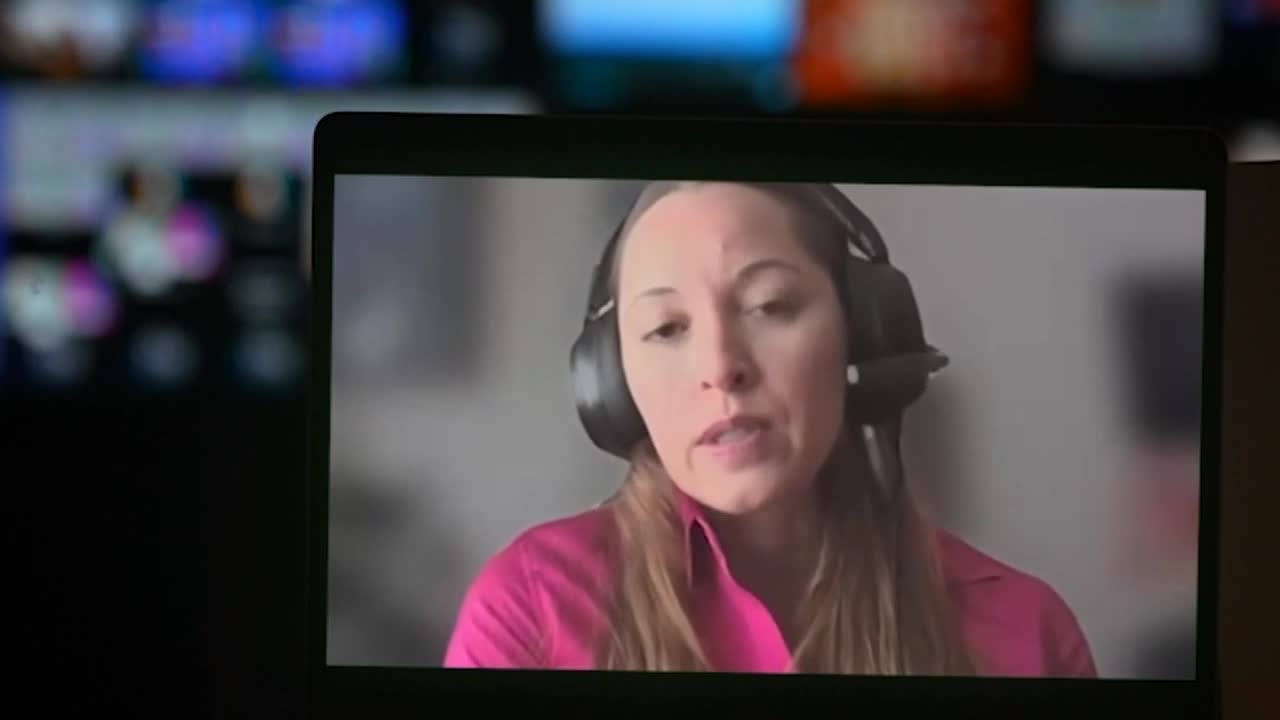
"So the purpose of the letter is to inform impacted landowners about a proposed zoning amendment that staff is taking before city council for consideration. Because it is a proposed zoning amendment to the adopted zoning map for the city of Lone Tree, we are required to notice landowners that might be impacted by that. And so that was really the intent behind the letter is just to inform landowners about the process and about the code proposal," Roshana Floyd, the planning manager, said.
What that means for homeowners who received this letter is potential new regulations. Floyd calls it an "if/then" scenario. If a property is mapped within a risk area, then homeowners may have some structural hardening requirements to meet if they are looking to make improvements to their home.
"There are a number of different thresholds within the code that clarify what those triggers are. So this is not a retroactive code across all properties. It's not a scenario of well, as soon as you're mapped, you have to make amendments to your home. It's really a scenario of you may have been mapped within this jurisdiction within this risk area, and if so, should you choose to move forward with a select list of renovations or improvements to your home, then you may need to look at very specific site and structural hardening requirements," Floyd said.
She said the community has already raised concerns about the cost of needed supplies, for example, a new roof.
"I think that's another thing that the city analyzed very heavily to really analyze cost, because we are very tight into affordability as well for our homeowners. And a majority of the structural hardening requirements that are included in this code, most of our homes already meet that, because Lone Tree has architectural design standards and a very high quality of design already," Floyd said.
As for what this all means for home insurance rates, Floyd directed Denver7 to a 2023 Colorado Department of Regulatory Agencies study through the Division of Insurance.
It says it's reasonable to expect homes with the highest level of wildfire risk to face insurance availability issues. However, it also says the attention to these mitigation measures should be used as a way to reduce any potential insurance losses, not increase them.
This story was reported on-air by a journalist and has been converted to this platform with the assistance of AI. Our editorial team verifies all reporting on all platforms for fairness and accuracy.


