

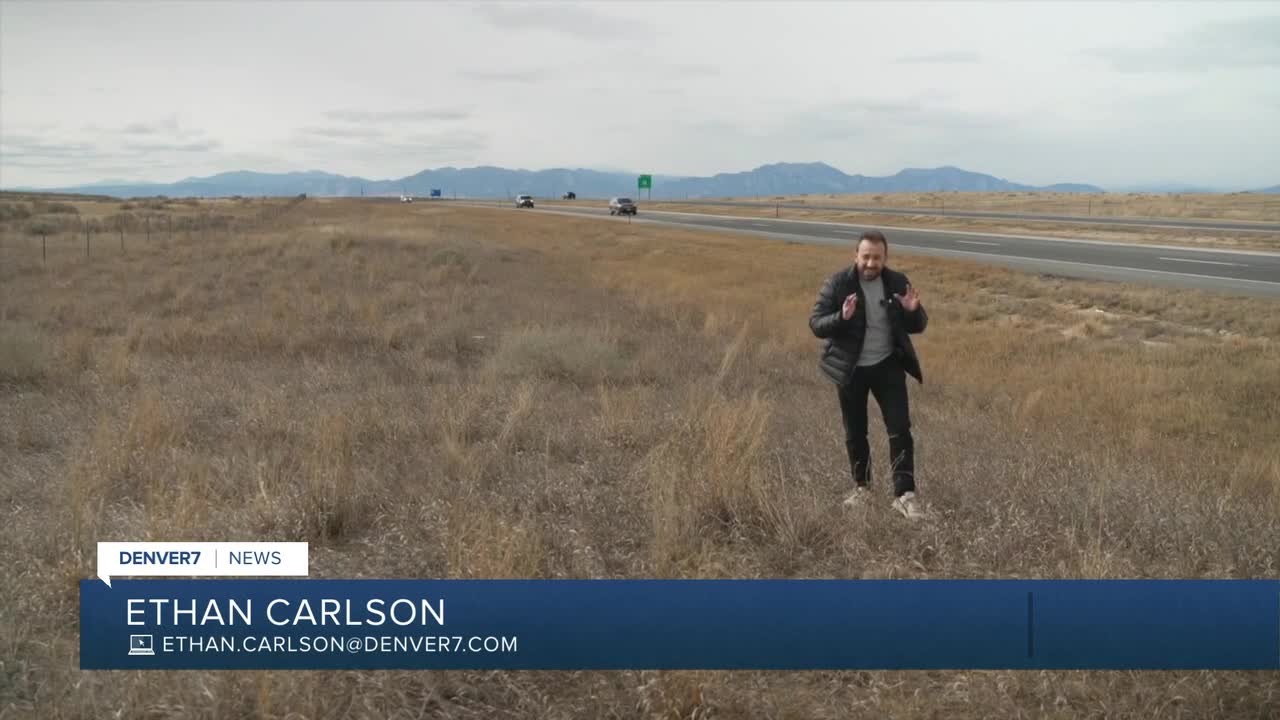


BROOMFIELD, Colo. — Butterfly Pavilion and Northwest Parkway are teaming up to convert a one-mile stretch of roadside into pollinator habitat, combining conservation work with on-the-ground research.
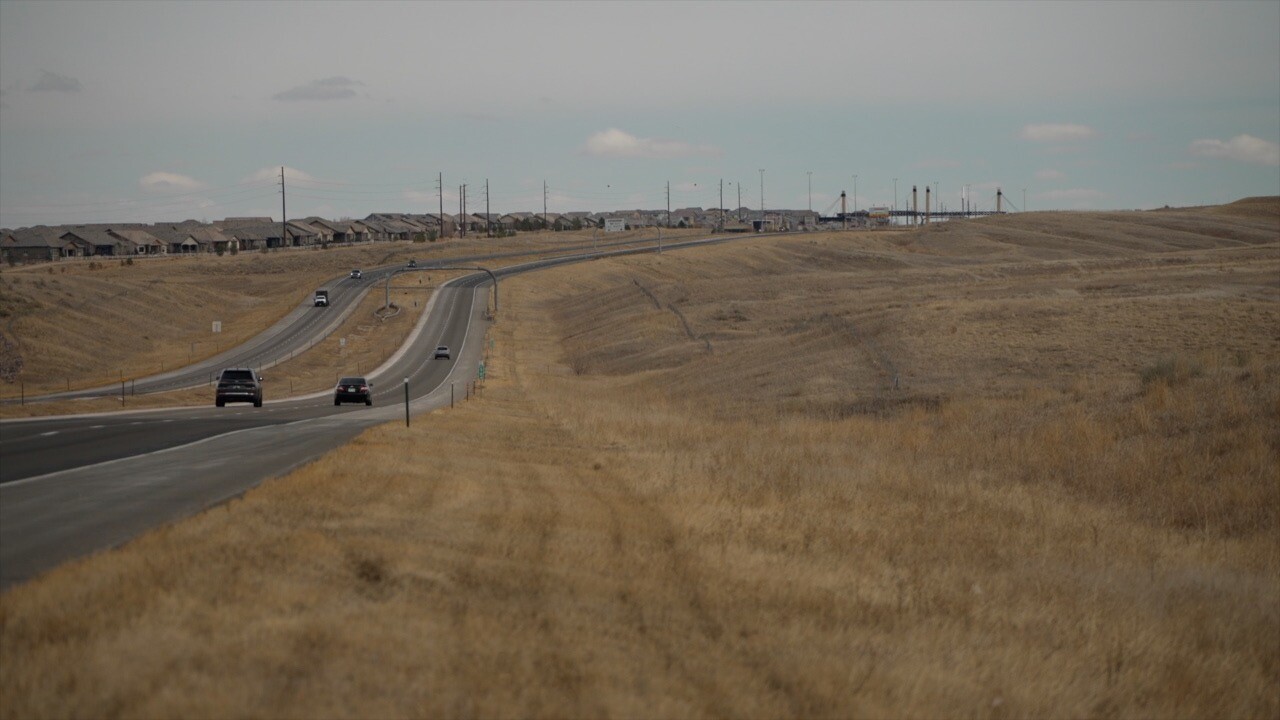
The project will reclaim the right of way from mile marker 50 to 51 along the privately owned, nine-mile toll road and replace the current flora with plants that are native to Colorado. Seeding is planned for fall 2026, with plants expected to emerge in spring 2027. Staff at the Butterfly Pavilion will train parkway crews, who will handle long-term maintenance of the pollinator corridor.
“We’ll be planting native grasses, forbs, shrubs, and flowers that will help promote pollinator health as well as soil and water health,” said Alex Han, entomology technician at Butterfly Pavilion.
Han said the Pavilion will conduct insect surveys and research before and after the landscape change to document how pollinator populations respond.
“We’ll come out and literally find what insects are here through collection and through visual identification,” Han said. “Over the course of several years, we should see an increase in pollinator populations.”
Jeremy Peyre, chief strategy officer for Northwest Parkway, said creating a habitat for pollinators aligns with the environmental goals of Northwest Parkway’s parent company, Vinci, including a target of net zero emissions across the company by 2050.
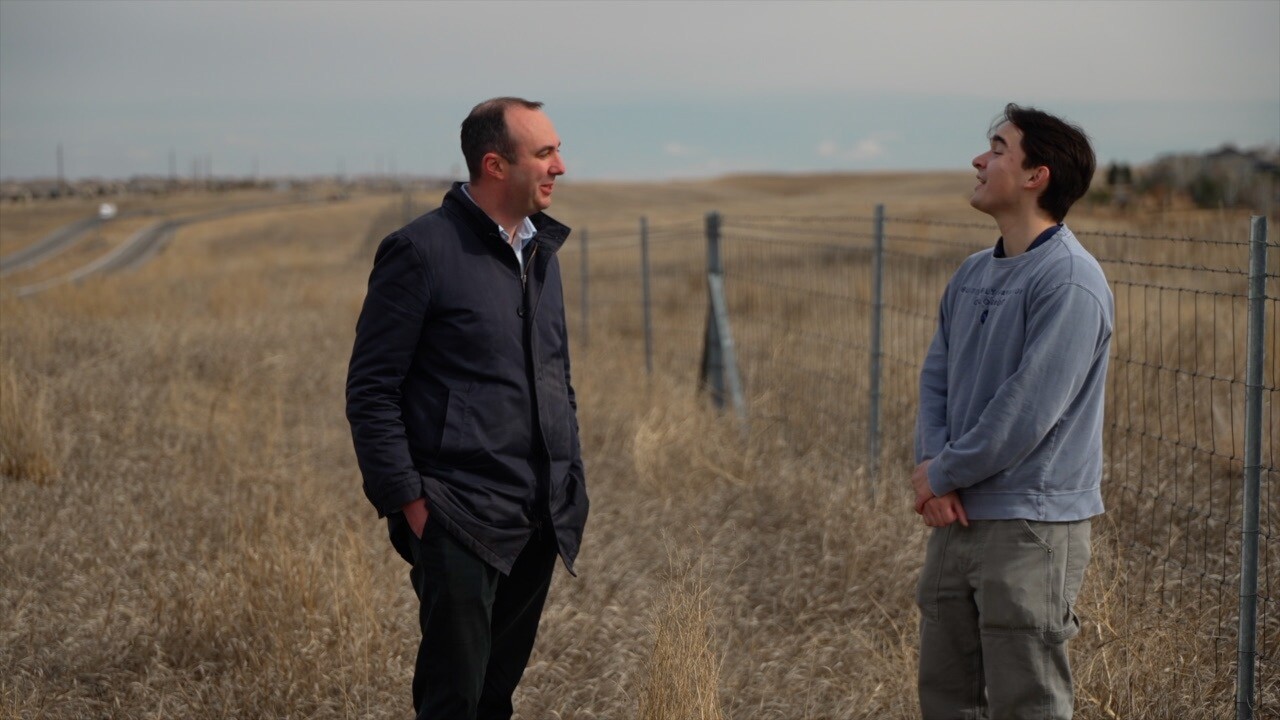
“This is why we've selected this stretch of roadway, because it's quite visible,” Peyre said. “It will be easy for us to communicate about the project and to have people over to teach them about the importance of pollinator habitats.”
Peyre said that the Parkway hopes to earn a certification from Butterfly Pavilion in 2027 after implementation and maintenance begin.
Organizers said the effort aims to bolster declining pollinator populations and to broaden public understanding that pollinators include more than bees. Flies, beetles, wasps, butterflies, and even microscopic insects can play vital roles.
“One in three bites of food that we as humans consume comes from pollinators,” Han said. “There are a lot of ways you can help pollinators right in your backyard… You can look at native grasses, as opposed to Kentucky bluegrass. Those provide habitat for pollinators and reducing pesticide and herbicide use are always beneficial to native ecosystems.”

