



LARIMER COUNTY, Colo. — This year marked the 100th anniversary of the Olander family farm in Loveland, where five generations have worked in agriculture in Northern Colorado. While Mother Nature has brought the challenges of a very dry and windy winter, the family is turning to generational wisdom to weather this season's uncertainty.
Over the decades, the Olander family has grown the business, providing malt for businesses like Coors and Budweiser, along with selling malt to local breweries and distilleries across the Front Range. Todd Olander is the founder of Root Shoot Malting, which started in 2016, making malts from barley, wheat, rye, and corn.
"Malt can be made out of different grains, but typically it’s barely," Olander said. "So, barley is used in probably about 95% of beer... But you can also malt wheat, you can malt rye, and you can also malt corn. All of those grains can be malted, and basically, you are just breaking down those starches inside those kernels and making it available for a brewer to access those during the brewing process."
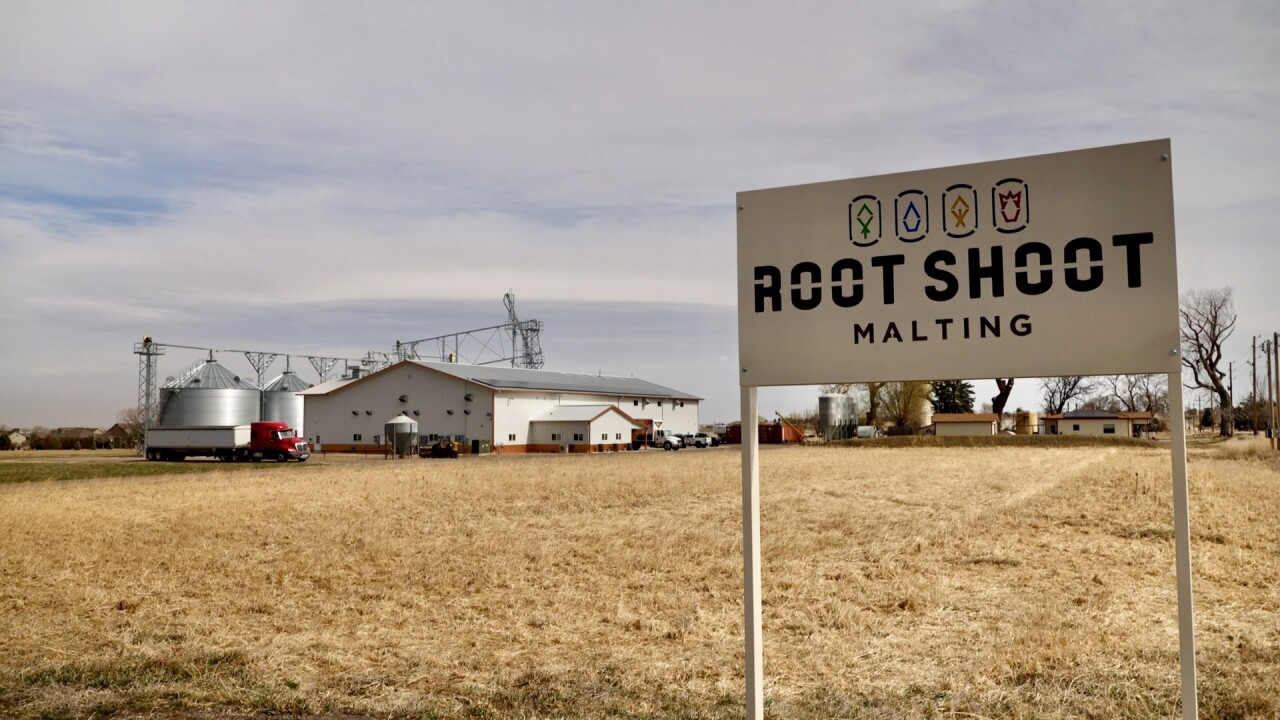
There is an immense amount of pride in passing down the farming tradition from generation to generation. Olander recognizes the importance of hitting this 100-year milestone as many farmers along the Front Range have "either moved away or aren't farming anymore."
Denver7 has been extensively covering the lack of moisture and unusually high temperatures throughout Colorado. Earlier this month, Denver7 reported on the U.S. Drought Monitor's latest Colorado map, which showed nearly a quarter of the state under "exceptional drought" conditions, which is the most severe category in the classification system.
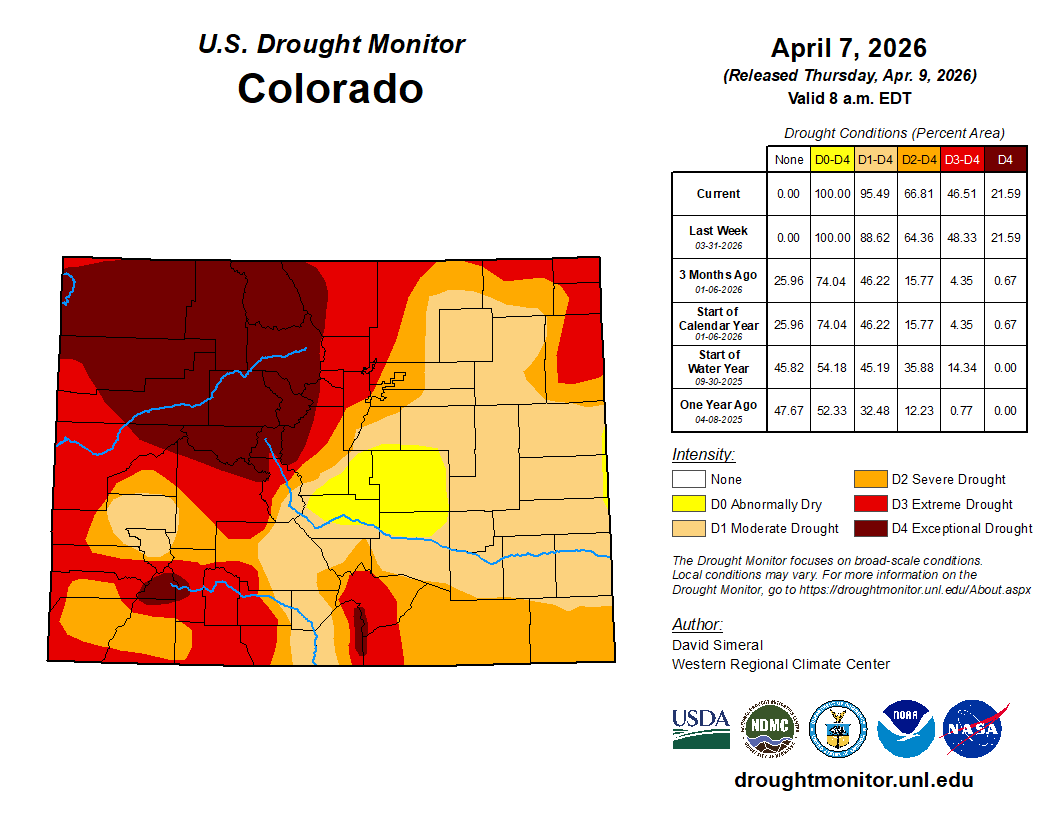
"We've been in a drought for quite a few years now, but this is definitely the worst that I've experienced, probably the worst my dad has experienced," Olander said.
With the family rooted in this land for the past century, Olander credited generational wisdom for being prepared for these dry conditions. He said they planted a lot of small grains, which do not need as much water compared to a crop like corn.
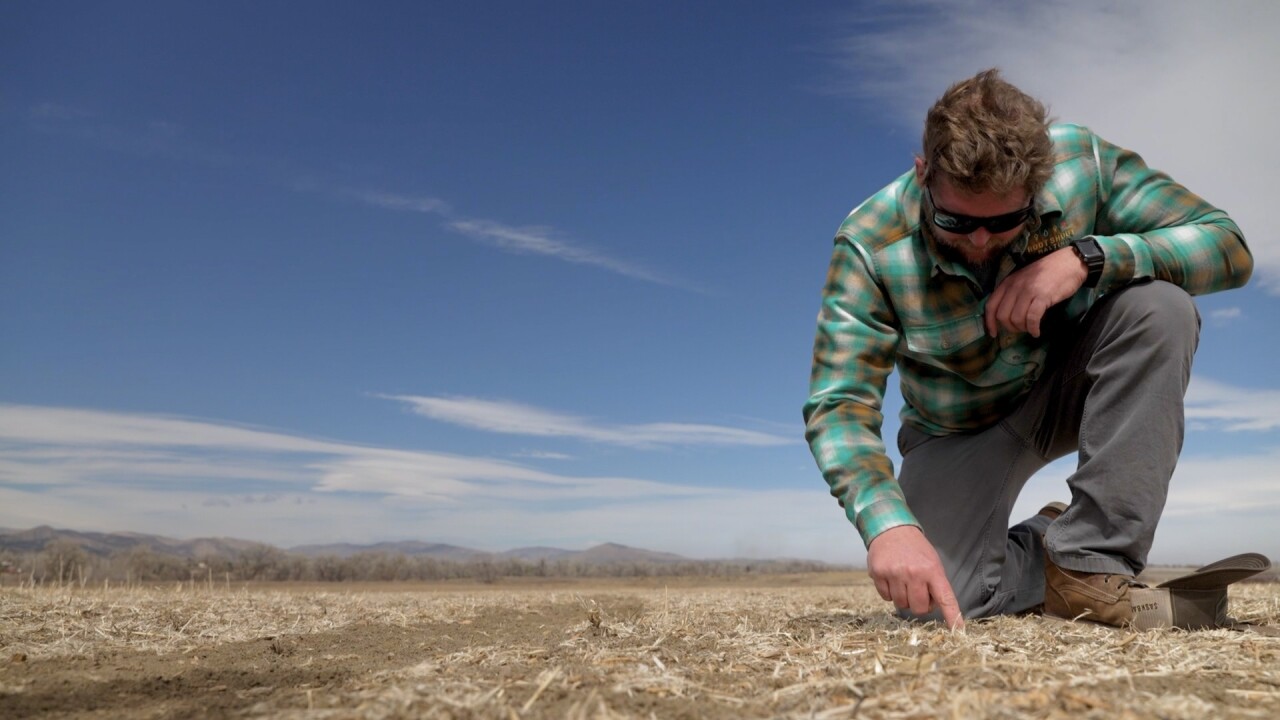
"We’re taking steps, and we have taken steps over the last eight years to ensure that we do have a crop, and that's just changing the way we are farming and changing our techniques to hopefully mitigate any sort of drought or water scarcity that might be coming in the future," Olander said.
► Watch Maggy Wolanske's report in the player below:
Our Denver7 weather team has been tracking the warm and dry conditions with high fire danger across Colorado on Monday, with a red flag warning in effect for most of the Front Range from 11 a.m. to 8 p.m., but we should see some moisture going into the rest of the week.
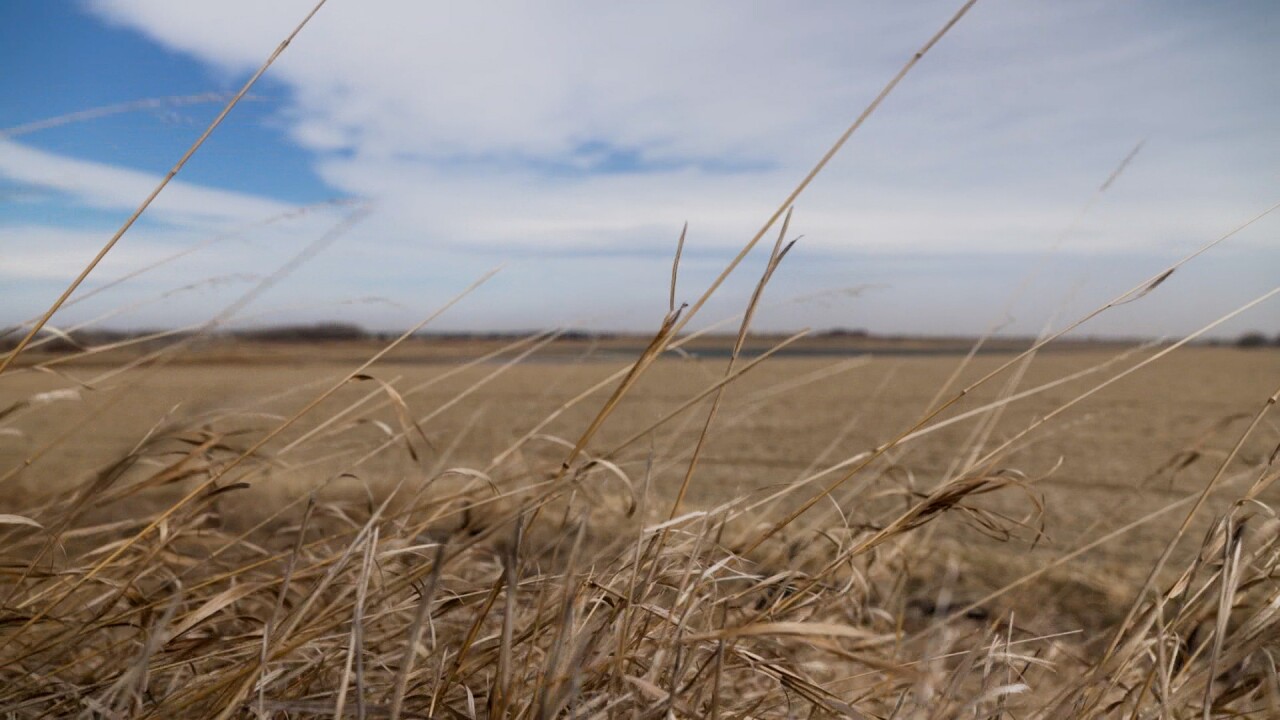
While locals like Olander feel like there has not been a winter, he is going into this spring season with a positive outlook, hoping there will be some storms on the way to help with this lack of moisture.
"Things can turn around, so you just have to keep a positive attitude," Olander said. "I don’t think my dad has not had any water throughout his entire lifetime, so you just have to keep a positive attitude that things will turn around. Until that day comes when it's a really big problem, you have to have a positive attitude."
We want to hear from you
How are the drought and potential water restrictions affecting your daily life, your neighborhood, or your livelihood? Share your experiences, concerns, and questions with a Denver7 reporter by email newstips@denver7.com. Your story could be part of our ongoing coverage as we track the impacts across our communities.
- What concerns you most about Colorado’s low snowpack and warm, dry winter?
- What solutions or water‑saving strategies are you using — or wish your community would adopt?
- How will water restrictions or drought conditions change your daily routine?
If you're searching for how your Colorado community is responding, or what restrictions are in place where you live, Denver7 is updating that information in this link.
