

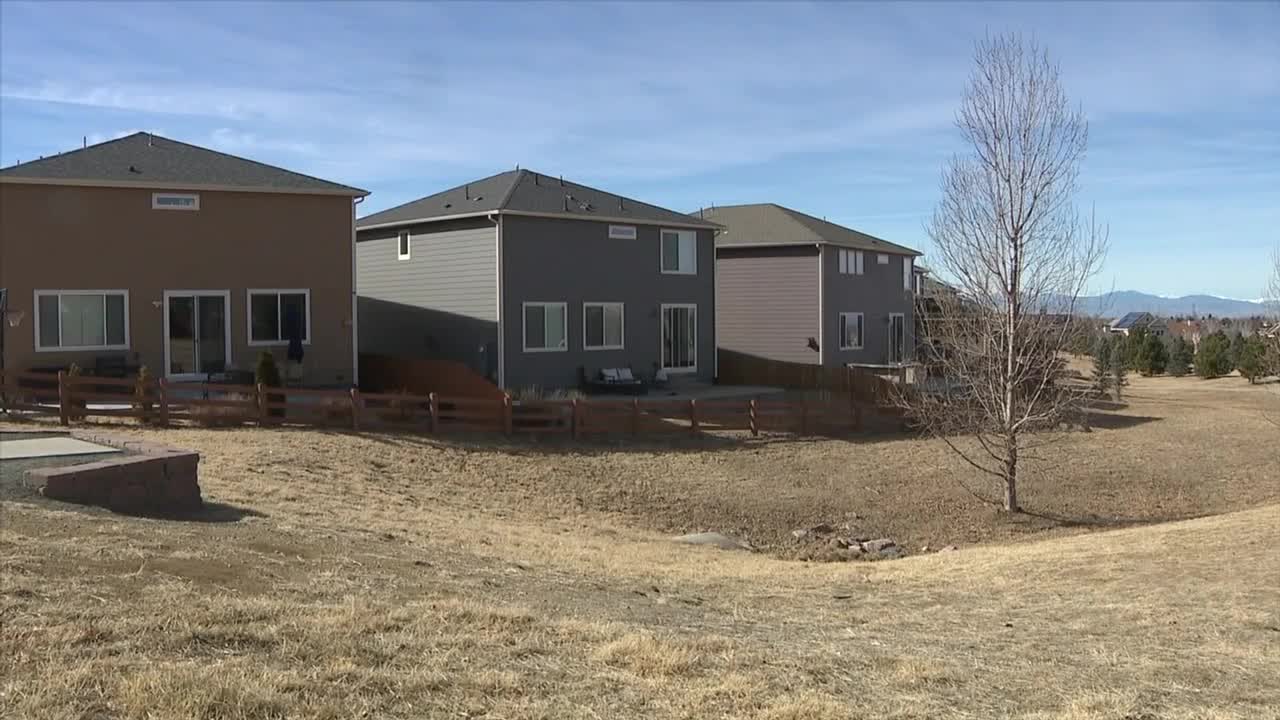


DENVER — Colorado’s drought has intensified dramatically this year, and Front Range water districts warning that rate hikes may soon follow.
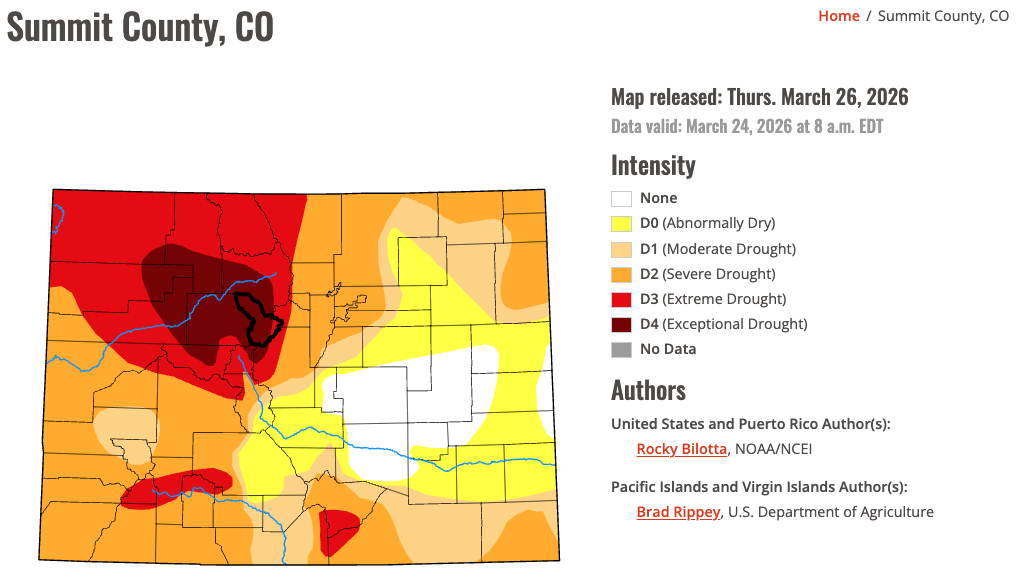
More than 90% of Colorado is under some level of drought, which is up from 62% at this point last year, according to the latest U.S. Drought Monitor. Perhaps most alarming is that 95% of Eagle County is in a drought, up from 0% at this time last year.
The drought has water districts along the Front Range between a rock and a hard place. On the one hand, they need to conserve water so reservoirs don't deplete to critically low levels, but by doing so, they’re hurting their bottom line, since so many rely on the money you pay on your monthly water bill as one of the few revenue streams.
As a result, districts are now considering raising your rates.
"Everybody right now is being hit with inflation, and so quite literally, this drought could not have come at a worse time,” said Shonnie Cline with Aurora Water.
Currently, Aurora is not under any drought restrictions, but that could change after April 6, when the city council will vote on whether to implement restrictions and corresponding rate hikes that come with it.

Drought
Water restrictions in Colorado: Share your concerns, how you are impacted
"We feel our own costs going up," said Cline. "Within the water department, everything has become more expensive for us."
Aurora Water calculates surcharges during drought by averaging your water use from December to February to get your personal winter average. If you use up to 110% of this average, you won't pay extra fees. If you use more than 110%, you'll be charged $2.15 per 1,000 gallons of water used above that threshold.
To put that number into perspective, it takes roughly 50 10-minute showers to use 1,000 gallons of water, or running a garden hose for one to two hours.
According to the city's website, the average water-efficient household in Aurora uses 41 gallons of water per person per day.

Denver7 is following various stories about the 2025-2026 winter and its impact on the state.
“If a utility does not have a mechanism to be able to recapture revenue during a drought year, [there are] cascading impacts over years," said Cline.
Denver7 asked other water districts across the metro if they were considering rate hikes as well.
In an email, Denver Water said it has implemented a hiring freeze and is deferring or delaying infrastructure projects to cut spending. Additionally, it is exploring surcharge recommendations, which will go before the board on April 8.
Meanwhile, Thornton Water said surcharges are not currently being considered but may be if the drought worsens.
Highlands Ranch Water is not planning rate hikes since the community is not under water restrictions, but rate increases could occur if Stage 1 drought restrictions are implemented.
Castle Rock Water told Denver7 it budgets for droughts in its financial planning, so it does not implement surcharges during Stage 1 drought conditions.
Castle Rock Water, as noted on the town's website, does not add surcharges at Stage 1 but begins rate changes at Stage 2 and higher.
