




DENVER — For more than 40 years, Murray Roth made a career out of science as a geophysicist in the oil industry. Now retired, he is putting that experience to work in an unlikely classroom, using hot cars and the “Fast and Furious” movies to teach math and physics to young people who have been involved with the justice system.
Roth instructed this lesson to students at Denver Justice High School. Students started inside, learning about engines, cylinders and the differences between V6 and V8 engines, before heading outside to get a closer look at cars.
“Along the way, we're talking about pressures, we're talking about heat and these sorts of things,” Roth said. “So the science comes along for a ride.”
Roth studied astrophysics and minored in physics before entering the oil industry in Calgary, Canada. He eventually became a geophysicist and spent more than four decades in the industry.
After retiring, Roth said he was enjoying traveling and playing hockey three times a week when a connection through his church introduced him to Generation Schools Network and its work with justice-engaged students.
The organization was looking at ways to create curriculum that would connect with those students.
“What would interest them would be cars, and so I thought, well, I could try it,” Roth said.
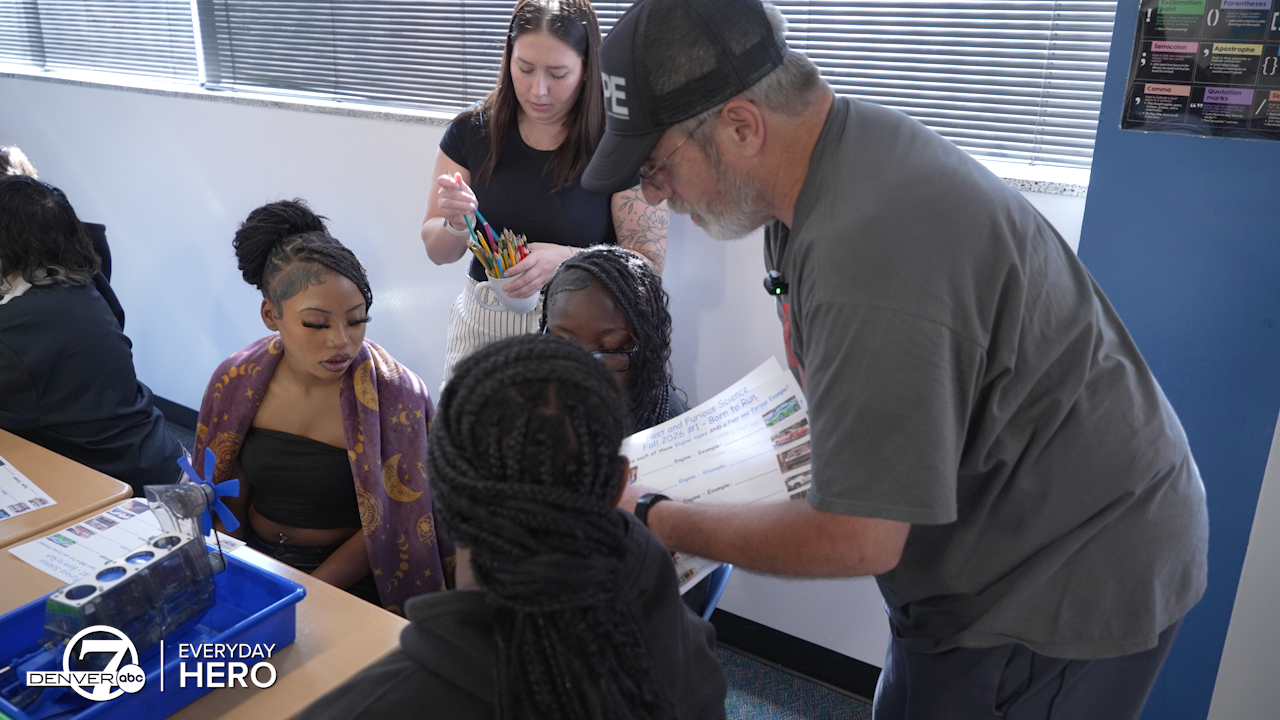
Roth saw how easily cars could lead students into lessons involving subjects he knew well, including physics, chemistry and math. Roth said, discussions about V6 and V8 engines introduced students to cylinders. From there, future lessons can explore what happens as a cylinder compresses and expands, eventually introducing more complicated concepts involving pressure and heat.
For Roth, however, teaching the correct answer to a physics problem isn't the only objective.
“If I can develop critical thinking, I think that's the greatest gift I can give them,” Roth said.
Roth's work is part of a broader effort by Generation Schools Network to support justice-engaged students in Colorado.
Danielle Mason, youth violence prevention program director for Generation Schools Network, said the work is connected to Justice Engaged Students of Colorado and efforts surrounding Colorado House Bill 24-1216, known as the Justice-Engaged Student Bill of Rights.
The legislation was passed in 2024 to address educational barriers faced by students who become involved with the justice system.
Returning to school can be difficult for some of those students, Mason said. Some may lack a trusted adult to help them navigate the process, while schools can also face challenges reintegrating students following serious behavioral incidents.
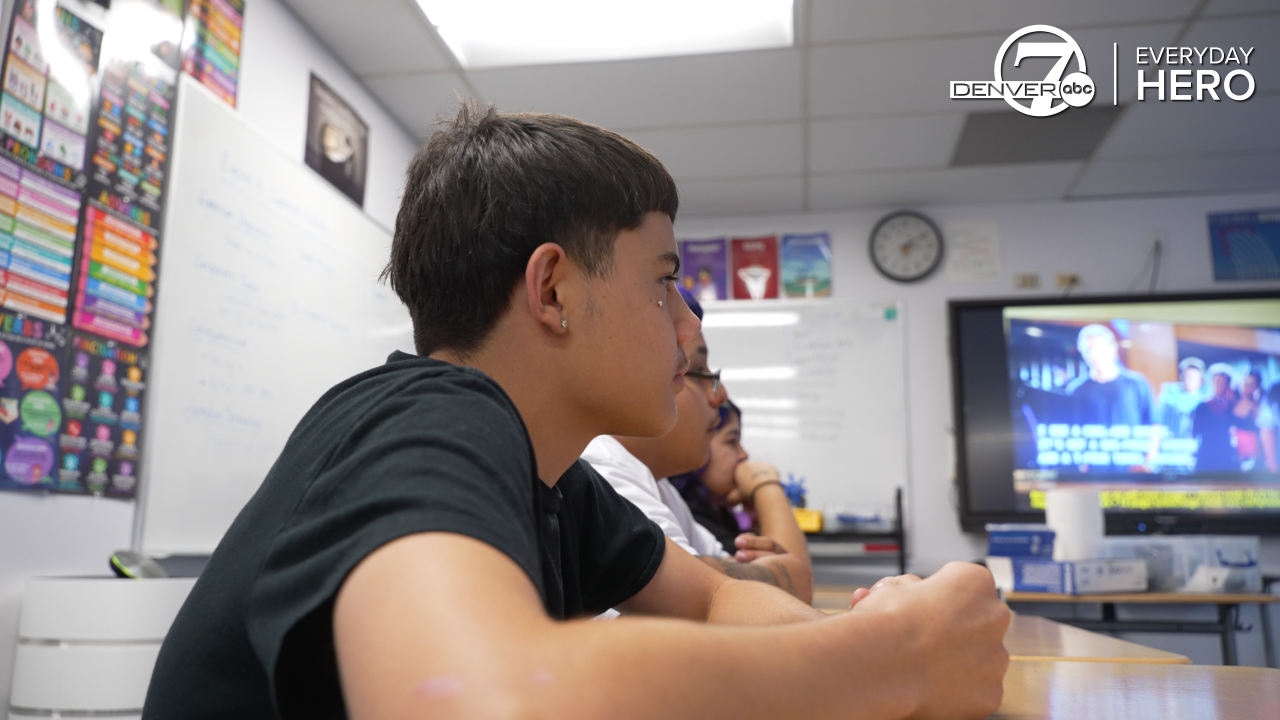
Generation Schools Network and community partners worked on the student Bill of Rights and later opened a campus serving justice-engaged students, Mason said. That work is where Roth became involved.
Mason said an estimated 23,000 students in Colorado are justice-engaged. For some of those students, previous experiences in school can also shape how they view themselves as learners.
“Traditionally, they have a history of feeling like they're not going to do well in a class setting, and we come in with fun ideas catered to what they let us know that they like,” Mason said.
Cars were one of those interests.
“It's important because we're meeting the students where they're at,” Mason said. “We're lowering the barrier.”
Mason said Generation Schools Network has seen students make progress through the program. She pointed to one student from Denver Justice High School who graduated, attended an entrepreneurship fair through Generation Schools Network, later earned an OSHA certification and found work.
The goal, she said, is to support students through a process that can otherwise feel stacked against them.
Denver Nuggets forward Spencer Jones partners with Generation Schools Network and mentors justice-engaged students.

Jones said his interest in youth education dates back to his time at Stanford University, where he volunteered in youth education, particularly in disadvantaged communities. Since becoming involved with Generation Schools Network, Jones has also had an opportunity to watch Roth work.
“I would kind of learn how he was interacting with the kids,” Jones said. “That was how I kind of learned from him on how to approach these kids on their level.”
Jones said Roth has found a way to take a potentially dense subject and turn it into something students can relate to and enjoy.
“Comparing math and physics to ‘Fast and Furious’ is pretty interesting,” Jones said.
That type of experiential learning can make students curious without necessarily feeling like they're sitting through a conventional lesson, he said.
“You don't think about, you're learning,” Jones said. “I'm just interested, I'm curious. Naturally, questions come.”
Jones said he hopes students learn that education does not have to be a rigid system and that programs like this can give them the foundation and critical-thinking skills to take ownership of their learning.
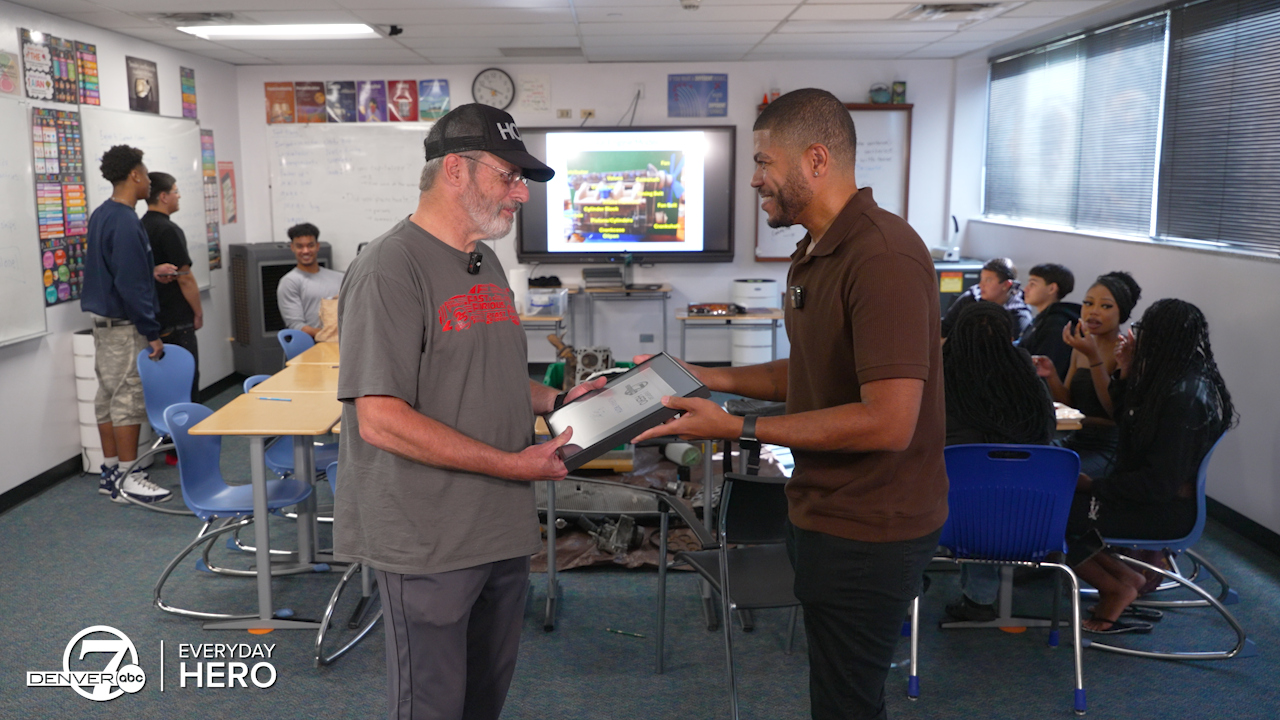
Mason said Roth's commitment goes well beyond the time students see him in the classroom.
“He felt passionate about getting involved after he retired,” Mason said. “So it's not really retiring with how hard he's working with these guys.”
For his continued work with Colorado youths, Denver7 surprised Roth by recognizing him as a Denver7 Everyday Hero.
“It's fun working with the group I work with, and the kids are great,” Roth said after receiving the recognition.
Roth says, the work is less about recognition and more about what happens to the students after they leave his classroom. He said justice-engaged young people can lack resources others have to help them navigate the justice system, leaving them with what he described as a thin margin for error.
Roth believes investing in those young people ultimately benefits everyone.
“There's a whole generation here that can't be left behind,” Roth said. “We need to help them.”
Denver7 features a different Everyday Hero each week. To nominate a hero in your life, click here.
