

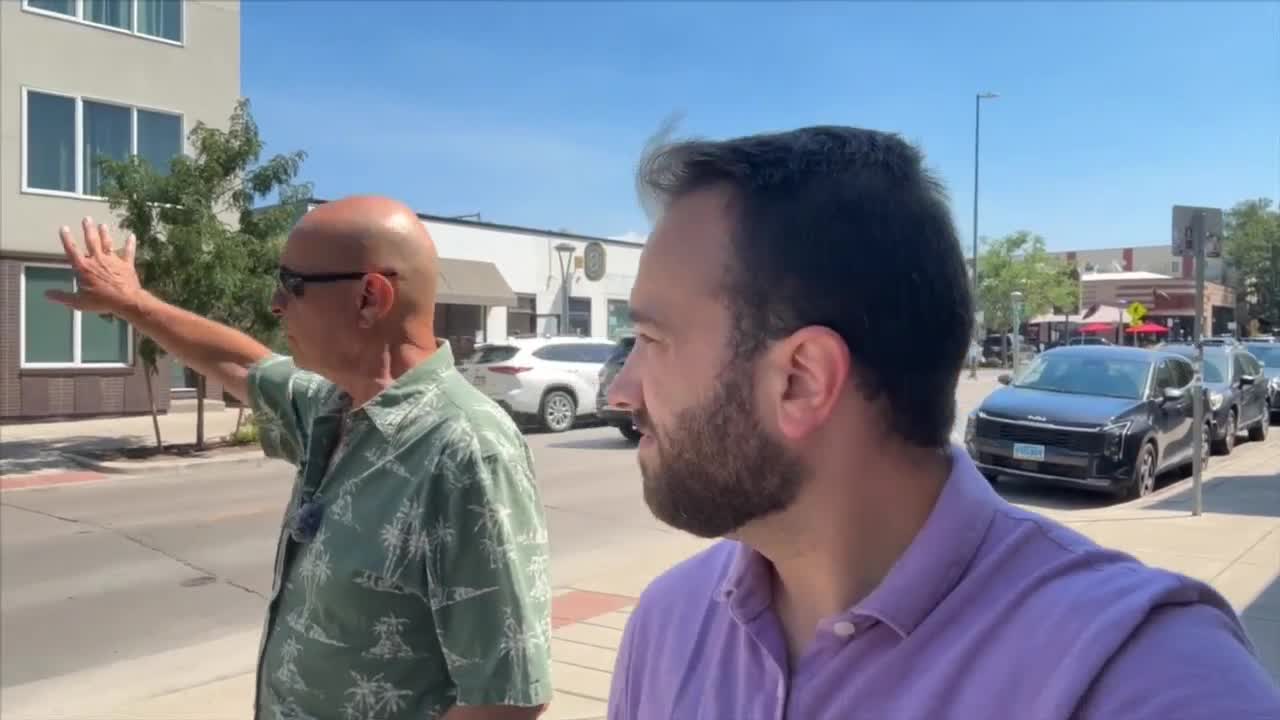


DENVER — A Denver resident who has lived in the Berkeley neighborhood for 40 years is raising concerns about a citywide zoning change he fears could alter the character of residential streets — even as city planners say they are taking a careful, measured approach.
Bill Killam, a Berkeley neighborhood resident, took me on a tour of Tennyson Street to show how past rezoning decisions have already reshaped the community, pointing to slot homes — a style of development that offers little street-level interaction — as a cautionary example.
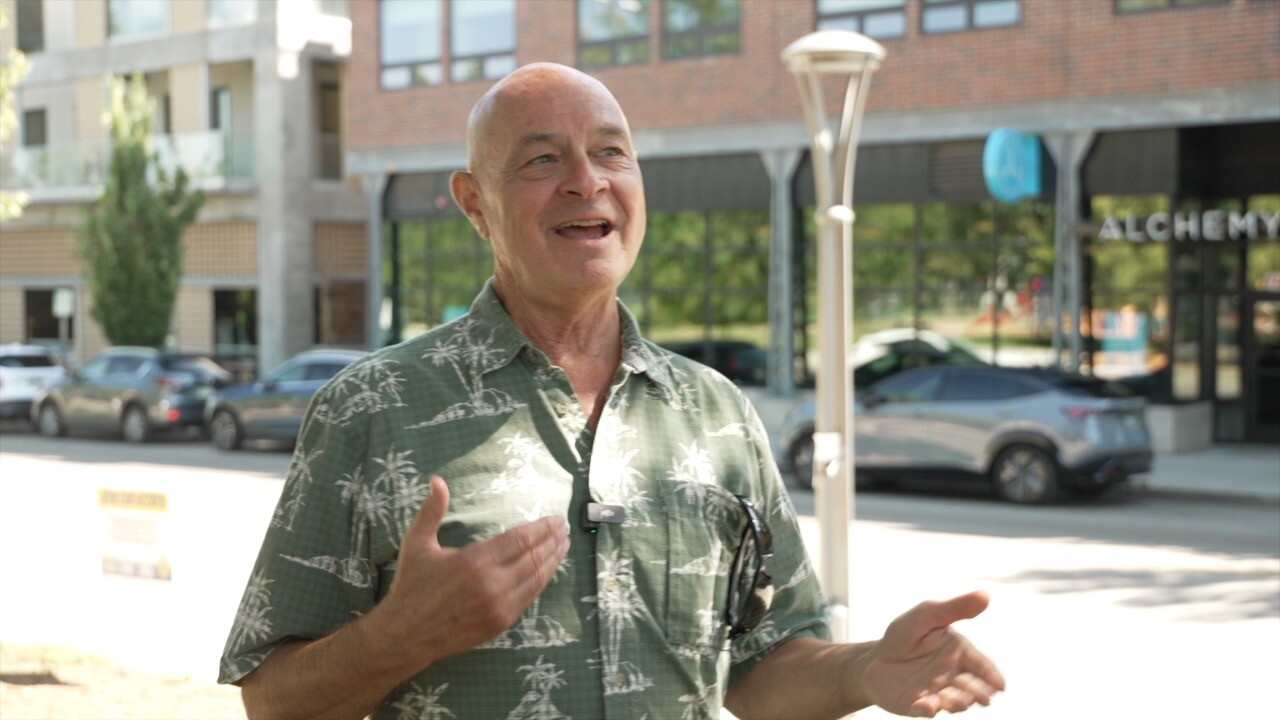
"Berkeley and Tennyson Street is living proof of unintended consequences the last time there were some major changes to housing development," Killam said.
Those slot homes were so unpopular that Denver later prohibited them from being built in the neighborhood. Now, Killam is watching closely as the city prepares another significant zoning change.
Rob Ellsasser, a senior city planner at Denver Community Planning and Development, is leading the effort behind a new program called Unlocking Housing Choices. The initiative is designed to expand what planners call "missing middle housing" — options that fall between a single-family home and a traditional apartment building of 10 or more units.
Watch Ethan's report as he gets a tour of Tennyson Street in the video below
"On Tennyson and in Northwest Denver we've learned a lot of lessons from the slot homes," Ellsasser said. “Denver's a great place to look at and learn from the experiences of past projects.”
Under the proposal, homeowners who retain their existing home could add units to their property.
"If you keep your existing home, you can build additional units on your property. If you have room at the rear of your property, you could potentially build one, two, maybe even three," Ellsasser said.
The city is also considering allowing full redevelopment of a property — involving demolition and rebuilding — but only when at least one of the new units is deed-restricted as affordable. Ellsasser emphasized that Denver itself is not building any new housing and that participation would be up to the homeowners.
"We don't expect the uptake to be dramatic in any neighborhood. This is going to be a gradual change," Ellsasser said.
Still, Killam worries the plan could change the feel of Berkeley's residential streets. He pushed back on the idea that neighborhood character concerns are simply resistance to change.
"A lot of YIMBY’s say character means the old white guys don't want changes in the neighborhood, right? So I say I'm not a YIMBY, I'm not a NIMBY, I'm a MIMBY, and that's moderation in my backyard," Killam said.
Ellsasser said the city's caution is intentional and informed by what happened with slot homes.
"One of the reasons we're being so careful is because we know how rapidly a neighborhood can change if you mess it up," Ellsasser said.
The city has spent more than a year working with an advisory committee, completed a round of community engagement, conducted a survey, and completed a financial feasibility study. Planners say they hope to release a finalized strategy to the public this fall, with a goal of bringing the proposal to City Council for adoption this winter.
This story was reported on-air by a journalist and has been converted to this platform with the assistance of AI. Our editorial team verifies all reporting on all platforms for fairness and accuracy.


Denver7 is committed to making a difference in our community by standing up for what's right, listening, lending a helping hand and following through on promises. See that work in action, in the videos above.