



DENVER — New data from the Centers for Disease Control and Prevention (CDC) shows that adult obesity rates may be slowing. The center has tracked trends over more than six decades and found numbers were leveling off.
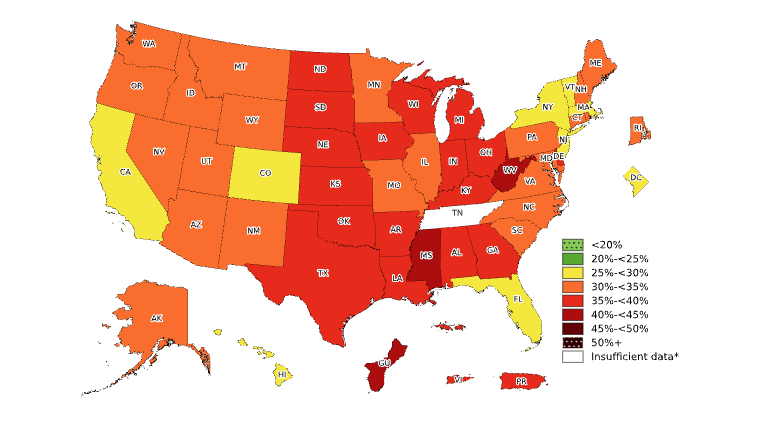
It's important to note that it was leveling off after reaching records highs of 42.4% of adults in 2017-2018, which has lowered to the current state of 40.3%.
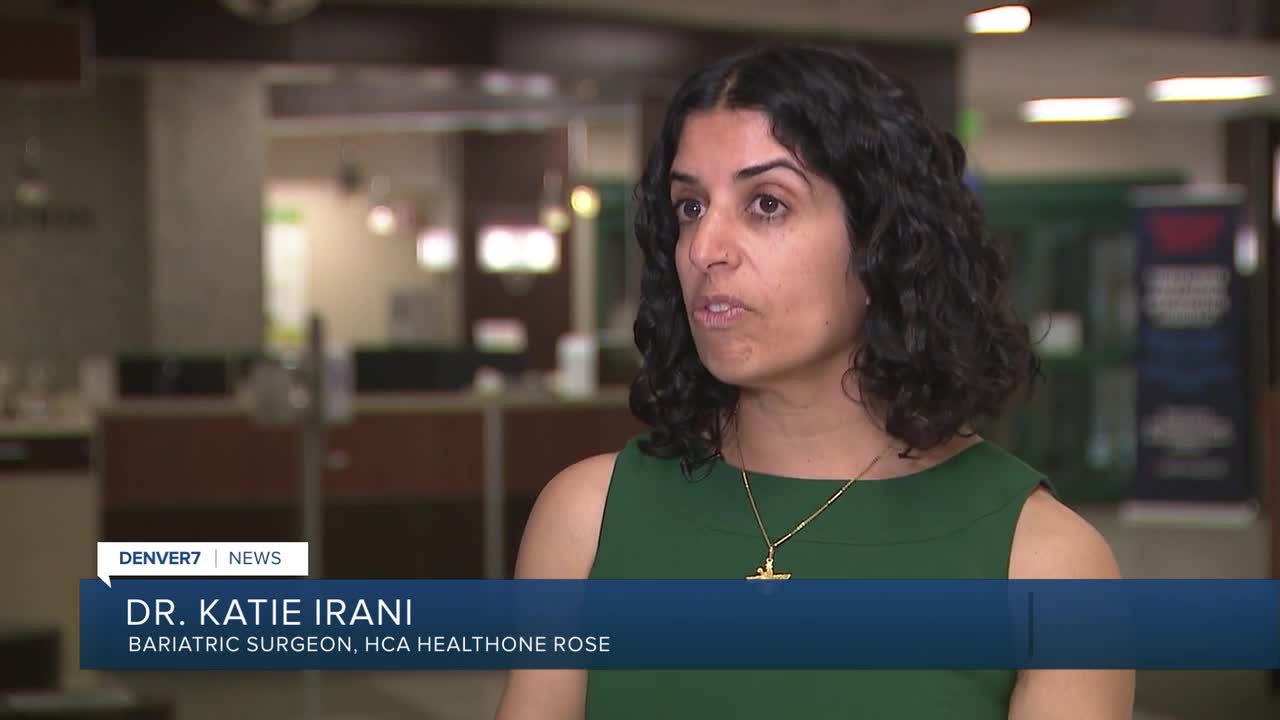
Denver7 talked to bariatric surgeon Dr. Katy Irani with HCA HealthONE Rose.
"It's really interesting to see that short little plateau that we're seeing," Dr. Irani said. "It's mind-blowing at how obesity has grown over the last 30 years. You know, it went from 20% of adults to 40% of adults, and that's obesity — not being overweight. If you include the overweight category, it's 70% now."
Dr. Irani said to remember the variability in statistics and a lot depends on who was sampled. She said it will be important to see how these numbers play out in the long run.
She added that obesity was recognized as a disease in 2013, which has also helped lower the percentage.
"More dietitian and behavioral health or therapy coverage by insurance companies. So people have that resource now, and we're just becoming more aware of the food we eat and how important it is to move and so hopefully we see that trend continuing to plateau," Dr. Irani said.
While some experts think popular weight loss drugs are also impacting the change, Dr. Irani is more cautious.
"I'm not sure if we can see the effects of GLP-1s yet," she said. "Although they've been around for a really long time, they weren't really used widespread for obesity until about 2020 (or) 2021. This data we're seeing is from 2021 to 2023. So, hopefully, with the introduction of those medications, we'll see a continued decline."
Another CDC report did reveal an alarming trend — that childhood and teen obesity rates have reached record highs, with one in five U.S. kids and teens.
Dr. Irani said different treatments like lifestyle intervention didn't really take off until more recently. She also pointed to the growth in technology and screen time. She said that is impacting how much kids move, how they eat and snack and much more.
"Screens become addictive, and so it leads to irritability, depression, not interacting with peers," she said. "I think screens have a big contributing factor to that rise in obesity."
However, she wanted to leave everyone with one important message.
"We've seen changes kind of have an effect on the obesity rates," she said. "Certainly, as a bariatric surgeon, I see so many patients come to me where they've been obese their entire life and now they're either normal BMI or getting close to it. They're active. They're running marathons. So, it's not hopeless."

