

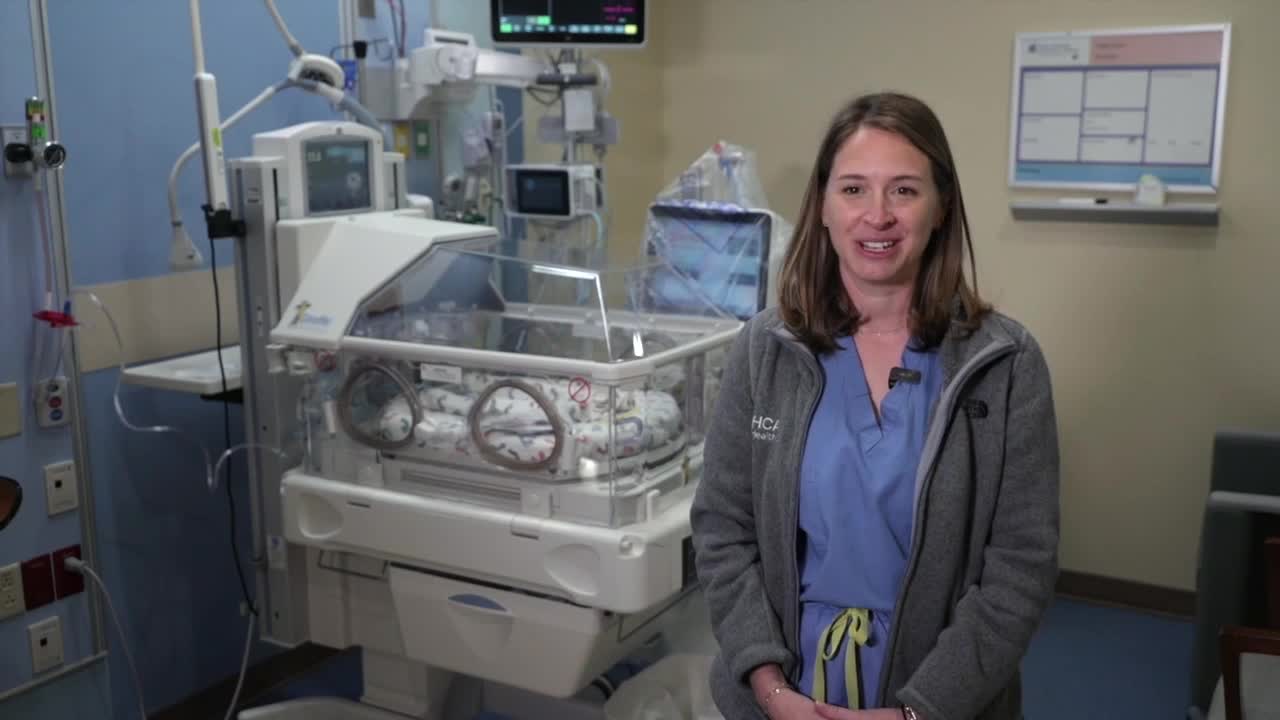


DENVER — A discharge program at HCA HealthONE Rocky Mountain Children’s Hospital is helping families leave the neonatal intensive care unit (NICU) with the skills and confidence to care for fragile infants at home and, in some cases, save lives.
Tiffann Chlebek and Brian Gummo know that firsthand. Their son, Hunter, was born on Jan. 23, 2025, about six weeks early after Chlebek suffered severe preeclampsia. The baby also had a tracheal esophageal fistula, a congenital condition that complicated his care.
“They were trying to get me to 34 weeks, but they couldn't wait any longer, just because my kidneys and liver were shutting down,” Chlebek said. “At first, it was like, ‘okay, they're just going to fix it, and we'll be out of here pretty quick.’ That was just the beginning of a pretty long journey for us.”
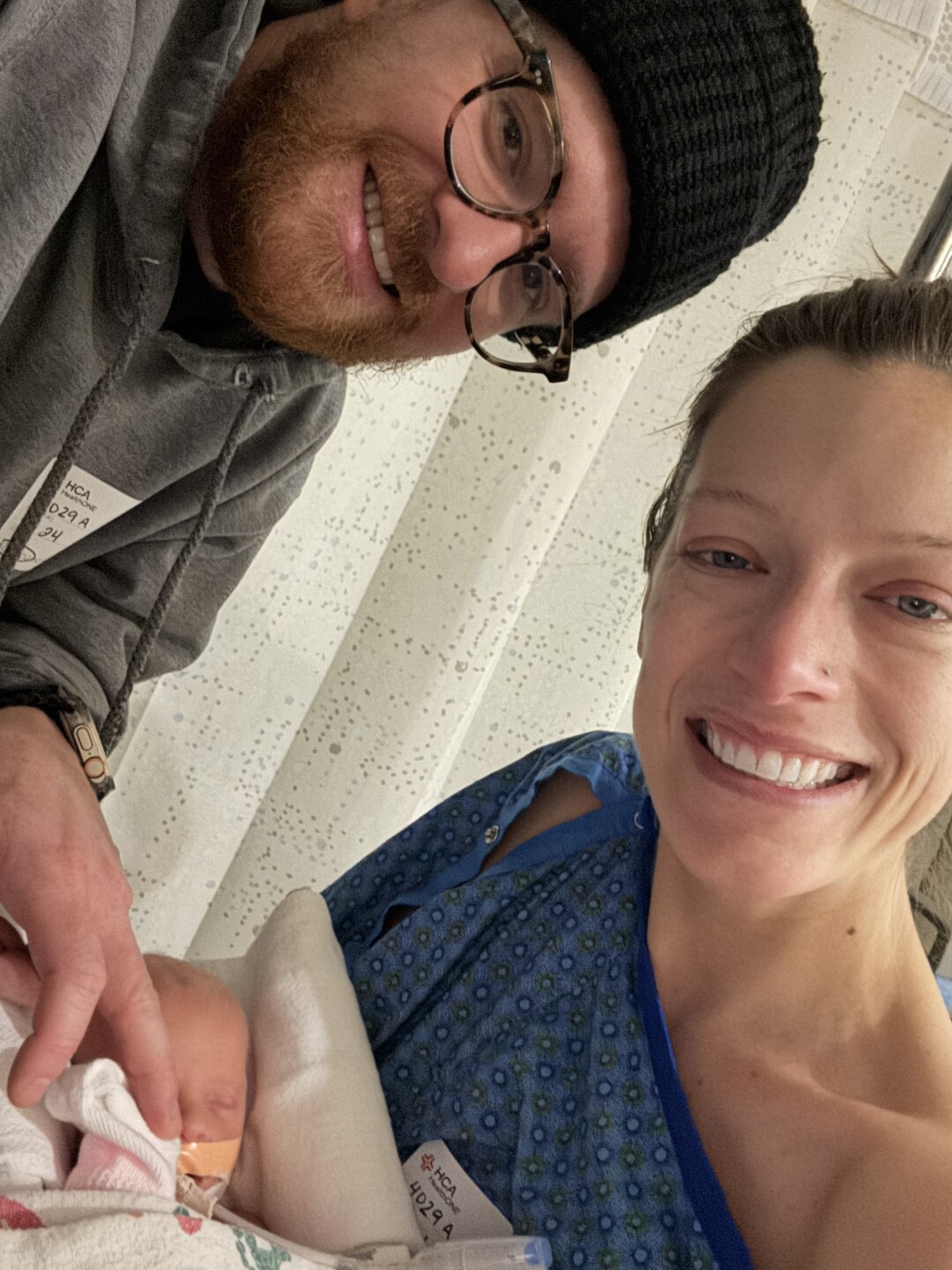
Hunter and his parents spent 100 days in the NICU. During that time, they enrolled in Homeward Bound, a discharge-readiness course created by the unit’s nurses. The program covers basic care and safety topics including feeding, safe sleep, how to use a car seat, medication and infant CPR — a skill that Hunter’s parents unfortunately needed to use almost immediately upon discharge.
“We made it home for 24 hours,” Chlebek said. “That’s when we had to resuscitate him twice.”
“We've been a team through this whole entire thing,” Gummo said. “When that happened… it was just instinct for us to rely on each other and do what we needed to do, which was absolutely amazing.”
After administering CPR twice on Hunter, the Vail couple were immediately sent back to the same NICU in Denver where they spent an additional 50 days to make sure Hunter was healthy.
“We found that discharge teaching is not optional, but is really an essential component of a NICU hospitalization,” Dr. Emma Harding, a neonatologist at Rocky Mountain Children’s, said. “Parents having that skill really gives them confidence and can even help save a life in an emergency.”
Molly Bleiweiss, a level 2 NICU nurse who helped develop the Homeward Bound course, said classes are offered weekly and are designed to make parents the primary, confident caregivers once they leave the hospital.

“No one expects a NICU baby, necessarily,” Bleiweiss said. “Once they come over to us, it's great being able to show them that they can handle their baby. It's their baby. We want them to feel independent with their kid, and that we're just there to help answer questions.”
Chlebek and Gummo said the program, and the relationships they formed with doctors and nurses, made a difficult experience more manageable.
“Those people are actually, truly, angels, Gummo said. “As long as you just trust the process and the timeline they laid out for you, everything’s going to go right.”
“Babies are really the most incredible and resilient patients,” Harding said. “Being along the way to help support that transition, I think, is one of the most special things that I could possibly do with my life.”
