



DENVER — Students headed back to school may have to leave their cell phones behind this year.
Colorado state law required all school districts to put a cell phone policy on the books by July 1. Meaning for many districts, this is the first time they’ve had a districtwide policy. Many major districts are opting to ban cell phones and smart watches for the entire duration of the school day, especially for K-8 students.
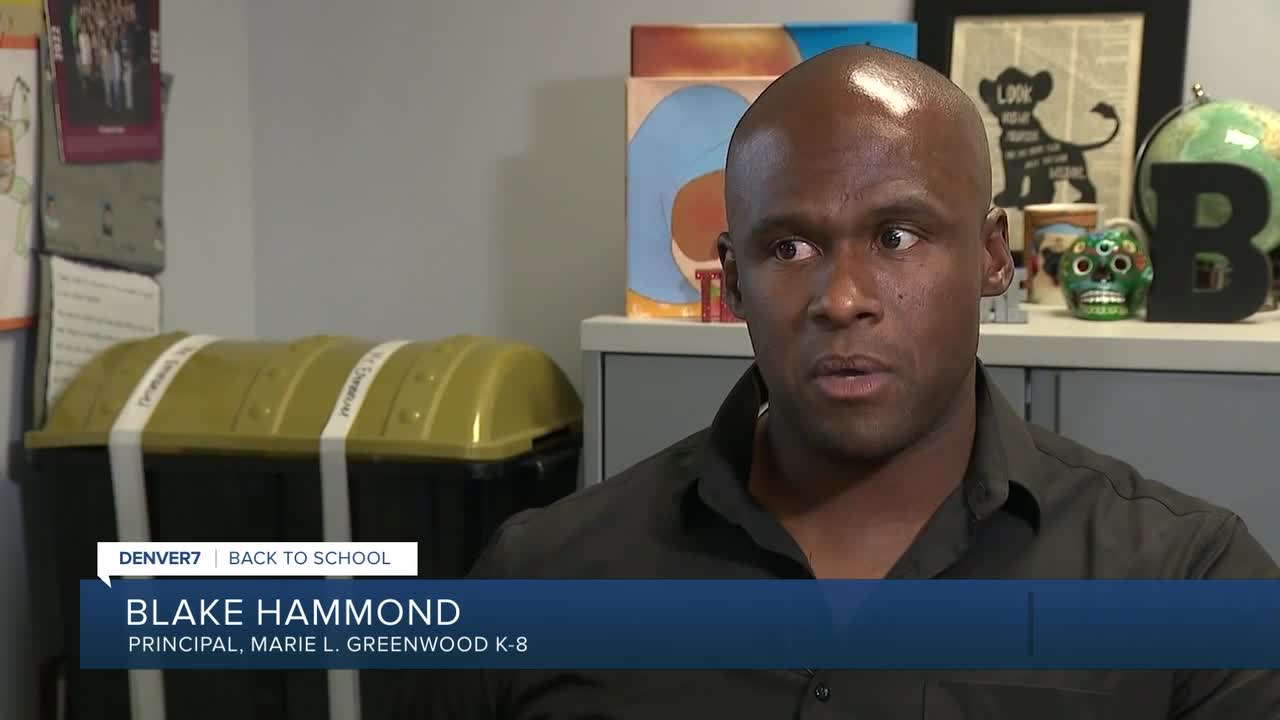
Marie L. Greenwood Academy Principal Blake Hammond has been ahead of the curve. He brought a strict no-phone policy into his school after seeing it in action at a concert.
- Watch the full story in the video player below.
“They gave me this thing called a Yondr pouch, and I had to put my phone away,” he recalled. “ I started thinking, ‘well how about we start introducing those in a school setting?’”
Marie L. Greenwood already required students to keep their cell phones and smart watches zipped in their backpacks during the day. While Hammond said that mostly took care of the problem, teachers still saw some stragglers.
“When you think about the over-dependence on cell phones, students immediately creep that hand in that pocket or creep that hand in that backpack because they're trying to access it,” Hammond said. “It’s just the normal thing to do. We do it as adults as well.”
The Yondr pouch trial started out with middle schoolers. The school bought the pouches through a fundraiser, handing one out to each student for free. However, if a student broke or lost the pouch, they were on the hook to pay for a replacement.
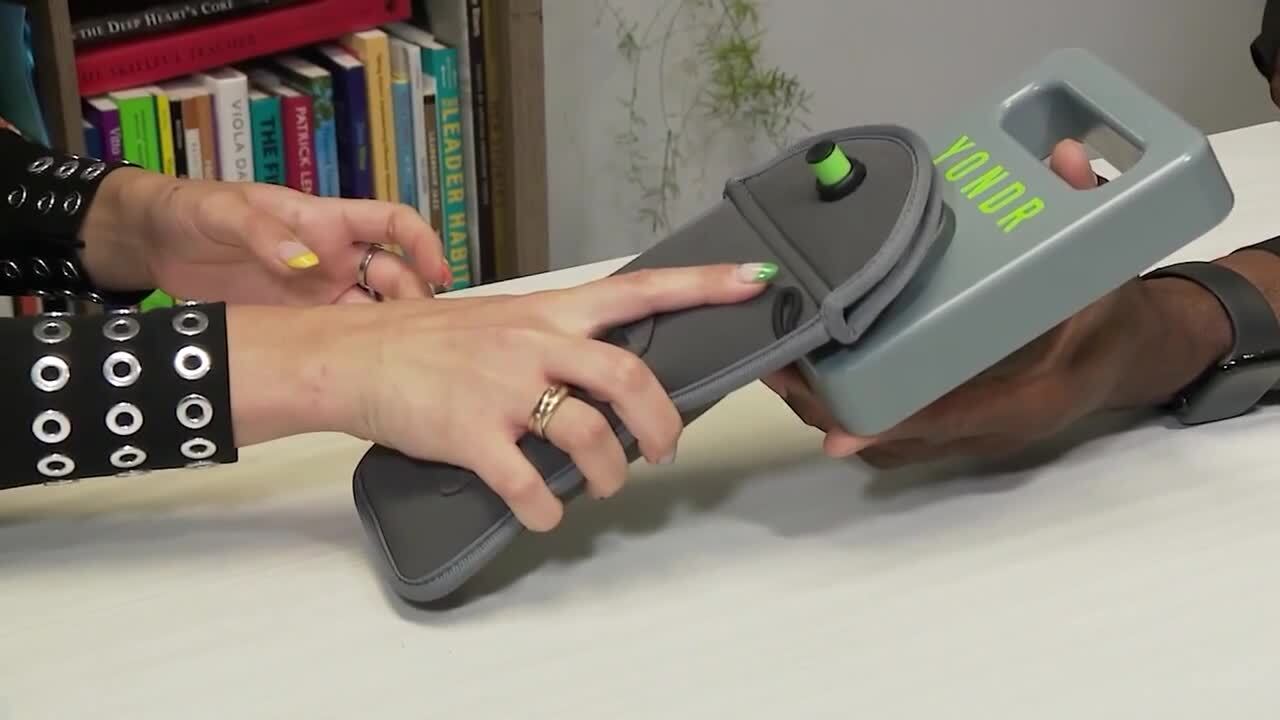
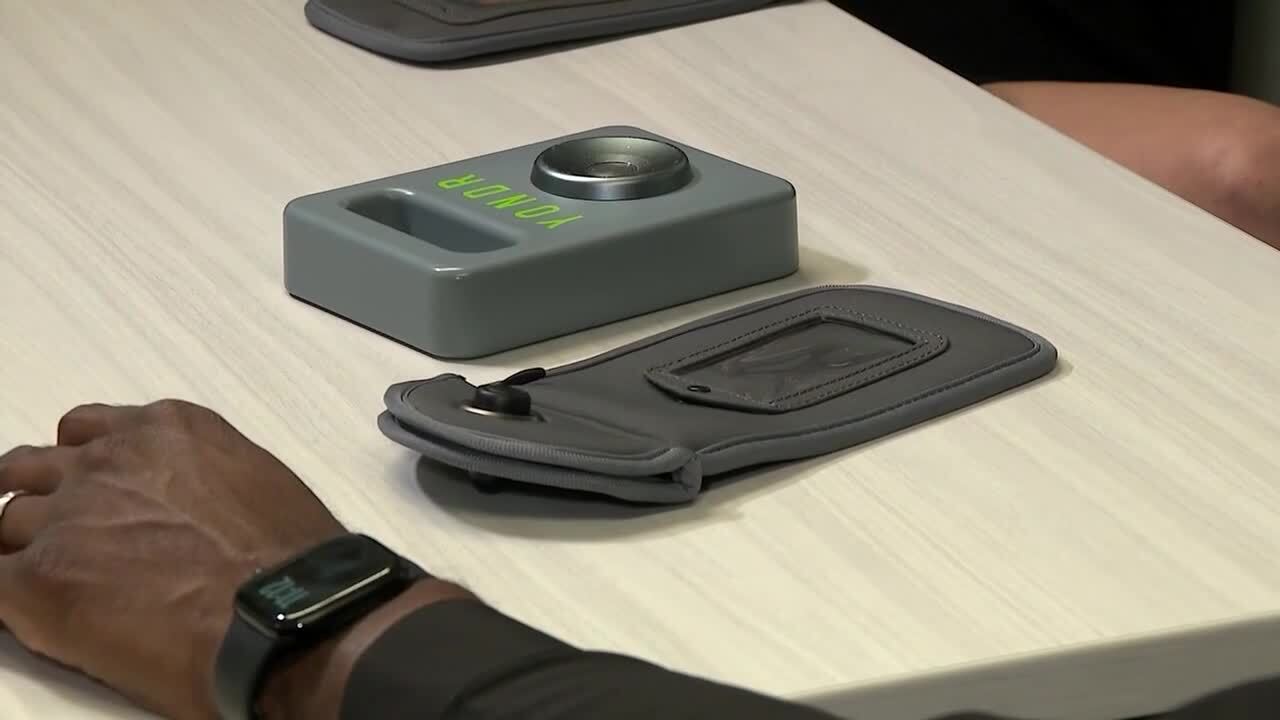
The same Yondr pouch stays with the student both at school and at home. At the beginning of the school day, students put their phone or smart watch in the pouch and a teacher or administrator locks it using a magnet. The phone is then inaccessible until it is unlocked by the same magnet at the end of the day.
Now headed into the third year of this policy, Hammond has seen improvement in classroom culture and in academic results.
“I think our go to in our day and age is ‘let's interact on the phone even though we're right in front of each other,’” he said. “We’ve really taken that element away where it's we're interacting with one another, we're collaborating on projects, we're working together to solve a problem, we're really engaging with what the teacher is saying.”
After the first year of Yondr, Hammond said he’s seen a 12-point increase in growth in student literacy and a nine-point increase in growth for math on Colorado Measures of Academic Success (CMAS) tests.

While he isn’t giving all of the credit for that growth to their phone policy, Hammond has noticed a difference in student performance and teacher attitude.
“Our teachers have been overwhelmingly pro-Yondr pouch because it's one less thing that they have to manage,” he said. “It’s one less thing that is getting in the way of learning. And so our teachers, for the most part will just teach and engage the students directly.”
Marie L. Greenwood is bringing back the Yondr pouch for a third year, and they’re not alone.
Cherry Creek School District’s Overland High School and Aurora Public Schools’ Mracheck Middle School are trying out the policy this year.
For new Yondr adopters, Hammond recommends open communication with teachers, parents and students.
See the most-populated district cell-phone policies:
- Aurora Public Schools: Schools with students in preschool grades to eighth grade will take on an “away for the day” policy, while high schoolers have a little more leeway with exceptions for passing periods and lunch.
- Adams 12 Five Star Schools: All cell phones, smart watches, smart glasses and wireless earbuds are required otherwise be off and out of sight at all times during school hours for K-8 students. For grades 9-12, students must keep their phones off and away during class time, but can bring then out for passing periods, lunch and free periods.
- Cherry Creek School District: Cell phone policies are left up to the principal of each individual school.
- Denver Public Schools: personal cell phones, smart watches, laptops and tablets should be turned off and out of sight during the school day, including during field trips.
- Douglas County School District: Elementary and middle school students must keep phones silenced and out of sight for the entirety of the school day.
- Jefferson County Public Schools: K-8 students must keep all cell phones and person communication devices away for the entire school day. High school students for class activities and during non-instructional time like passing periods.
- St. Vrain Valley School District: During school hours, all phones are required to stay off or in silent mode. However, students will be able to use their phones in between class and during lunch and recess. Emergency use and class use is allowed with staff approval.
