



Severe weather events, from tornadoes to hurricanes, open the door to scammers who target homeowners with property damage. Now, with hurricane season underway, a national watchdog group warns the problem is getting worse.
The National Insurance Crime Bureau, a non-profit that tracks insurance fraud, warns that contractor fraud continues to rise nationwide following disasters. Reports of contractor fraud rose 38% from 2023 to 2025, costing insurers, policyholders, and communities.
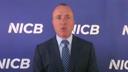
"Criminal organizations are targeting victims of catastrophic events," said NICB president and CEO David Glawe. "They're being victimized twice. They're being victims of a crime and they've been a victim of a natural disaster."
RELATED STORY | Beware of these contractor scams as spring project season begins
Millions across the U.S. experienced severe weather in early June when tornadoes and damaging winds devastated parts of the Midwest.
"It's amazing. You see these on TV all the time, but when they're in your front yard, it looks a little different," said Cleveland area resident Daryl Baker.
Unfortunately, it is these types of weather events that provide an opening for dishonest contractors. Glawe said contractor fraud can happen in person or online through phone calls, emails, or texts.
"Door-to-door solicitation, offering to clean up yard waste and debris or rebuild your home," Glawe said, "the telemarketers calling you on the phone."
RELATED STORY | Swindled and silent: 75% of American consumers have felt cheated, but few speak up
Glawe's top tip: slow down. Before accepting an unsolicited offer, call your insurance company, which can help confirm legitimate businesses. He also warns homeowners not to let a contractor interpret their policy or discourage them from contacting their provider.
"These individuals may say they work for FEMA or they're approved by FEMA. They'll ask you to pay money up front," Glawe said.
When hiring a contractor, the NICB recommends taking these steps:
- Get multiple estimates
- Ask for references
- Verify an active local business license
- Be wary of callers claiming to be with a national carrier
"Your home will not be rebuilt overnight. There's going to be a process working with the insurance carrier and online services to make sure these are legitimate contracts," Glawe said.
In 2021, the NICB reported that insurers paid $92 billion in catastrophe losses, with upwards of 10% or $9.2 billion lost to post-disaster fraud.
Fraud can be reported on the bureau's website at NICB.org.


