



NIWOT, Colo. — Smoke from wildfires burning in Nebraska and South Dakota is drifting into Colorado. Local firefighters aren't just feeling the impact—they're taking action. Several agencies have answered the call for help and sent crews north to battle the blazes.
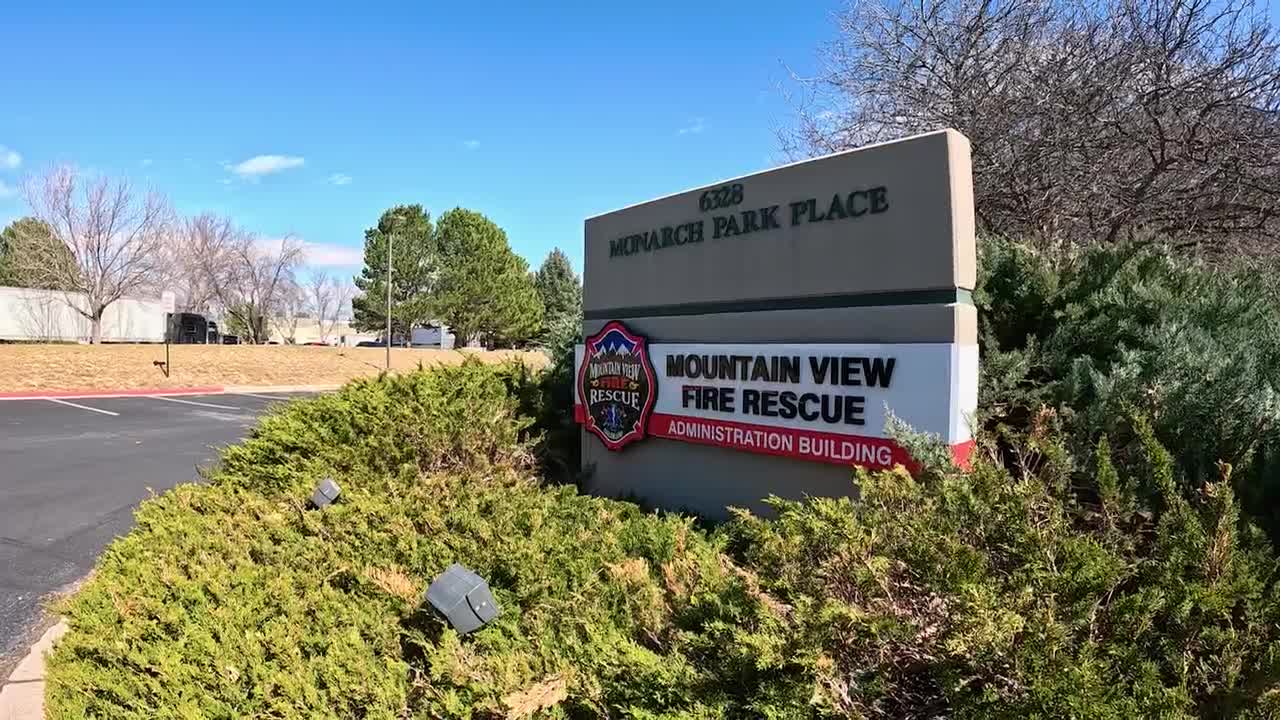
Mountain View Fire Rescue Fire Management Officer Paul Ostroy says the process begins with a resource request through their dispatch center in Fort Collins. The agency then makes the necessary adjustments to get a crew out the door. With three fires burning in Nebraska, they were able to answer the request for help.

"We sent four individuals with our type six engine, one of our smaller types, wildland brush engines," said Ostroy. "That type of engine seems to be utilized a little bit more frequently in those areas because of access and/or maneuverability, so we decided that was a better resource."
Ostroy says the assignment lasts 14 days. The crew has been able to move between fires as needed and is currently focused on battling the Cottonwood Fire.
"It seems as though the fire is escalating and has reached a size where it's actually made things difficult for communication, for actually being able to effectively come up with an end state," explained Ostroy. "So while they keep bringing in and requesting more resources, accountability is always difficult. So it will take a couple of days to potentially come up with suppression standards and or communication plans to where on the large scale they're able to facilitate that job."

Mountain View Fire Rescue covers 250 square miles, including Boulder, Erie, Niwot, Superior, and unincorporated areas of Boulder and Weld Counties. Ostroy knows what it's like to need outside help, recalling the Marshall Fire in 2021, which damaged or destroyed more than 1,000 homes and businesses.
"Local knowledge helps in many aspects of terrain influences, weather, and what have you. But when we bring in these outside resources, they do come with an extra bit of subject matter expertise that allows them to facilitate some of those specific needs that the locals might not recognize their wants or needs," Ostroy said.

Our weather team is tracking record-breaking temperatures and a historic heat wave this week. Paul Schlatter, a meteorologist with the National Weather Service in Boulder, explained how these dry, warm conditions can fuel wildfires, urging people to be mindful.
"We're in serious drought conditions, and we're still at least a month away from green-up time, which is when the grasses come up, and fire danger will lower at least a little bit," said Schlatter. "So there's still a lot of time between now and then with very warm temperatures, increasing winds where a fire can quickly get out of control."
As for what would help most right now, Schlatter made it clear that the region needs moisture, and it needs it soon.
"We could just really use some precipitation, not just the plains, but also in the mountains to prepare for summer and the runoff season, where water supply is going to be a big deal because all of the mountains are well below normal," Schlatter said.

