


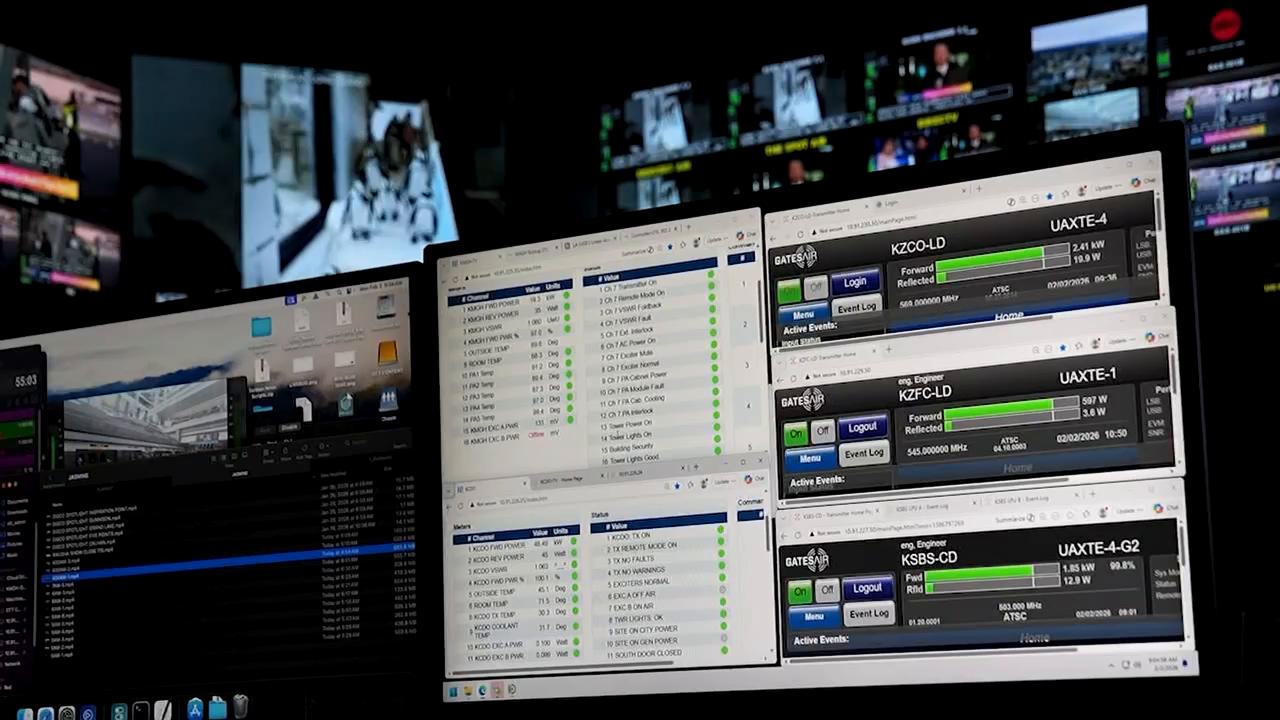


BOULDER, Colo. — Artificial intelligence is getting better all the time at creating content, sometimes too good.
Now, a Los Angeles–based startup called Noctal, founded by a University of Colorado-Boulder student, is using AI to change how sound is added to video, while promising to keep humans at the heart of the art.
Think AI-embedded sound effects in movies, TikTok posts, and even news reports – tools that can speed up and even perfect the editing process.

As part of Scripps National News Literacy Week, Denver7’s Russell Haythorn takes a closer look at the technology, asking experts to weigh in on the ethics of using artificial sound in journalism.
Inside Noctal: Sound design meets AI efficiency
Noctal founder and CEO Isaiah Chavous says the platform doesn’t replace sound designers; it assists them.
“Noctal is a platform that understands video context and then assists that user with placing sound,” said Chavous. “You can think – footsteps, gunshots, door slams, car engines.”

Instead of editors manually hunting for, sorting, and tagging sounds, Noctal streamlines the process.
“An editor would go through and collect and decide what sounds need to be where in the editing room, and sort those, and tag those, and a lot of that process is super tedious and manual,” Chavous said. “So, we do a lot of that heavy lifting up front for them so they can focus only on decision-making and less on assembly.”
The platform is currently in open beta and aimed at a wide range of creators.
“These are people ranging from YouTubers, TikTok, social media creators,” Chavous said. “It’s a subscription model.”
Drawing the line between AI and art
As AI becomes a creative co-pilot, Noctal says its goal isn’t to replace artists, it’s to protect them.
“Humans matter,” Chavous said. “Right now, AI, specifically, right – it’s all the talk. And the fear there is that AI is going to replace creatives.”
The company draws a clear distinction between efficiency and artistry.
“And so, at Noctal, we said, ‘Hey – we can leverage the efficiencies of AI, and we can protect what makes art great. Protect what makes art human,” Chavous said. “So, our library is human-made.”
That library includes more than 200,000 human-made sounds – a distinction that becomes especially important as AI tools move closer to the newsroom.
Can artificial sound work in journalism?
“Is there a practical use for it in news?” asked Haythorn.
“I love that question,” Chavous said. “Yes. The answer is, yes. Practically, yes. If you have video context, you can use it. The question then comes down to the ethics. Do you want non-original sound in the news? And for certain segments and depending on the context of the story being told – that happens all the time.”
Think true crime reenactments on shows like ABC’s 20/20. But using tools like Noctal in news also introduces risks, especially when audiences are already struggling to differentiate real sound from recreated sound and fact from fiction.
The ethical debate
At Metropolitan State University of Denver, professors Chris Jennings and Jeff Loats see AI sound tools as a powerful, yet potentially dangerous case study.
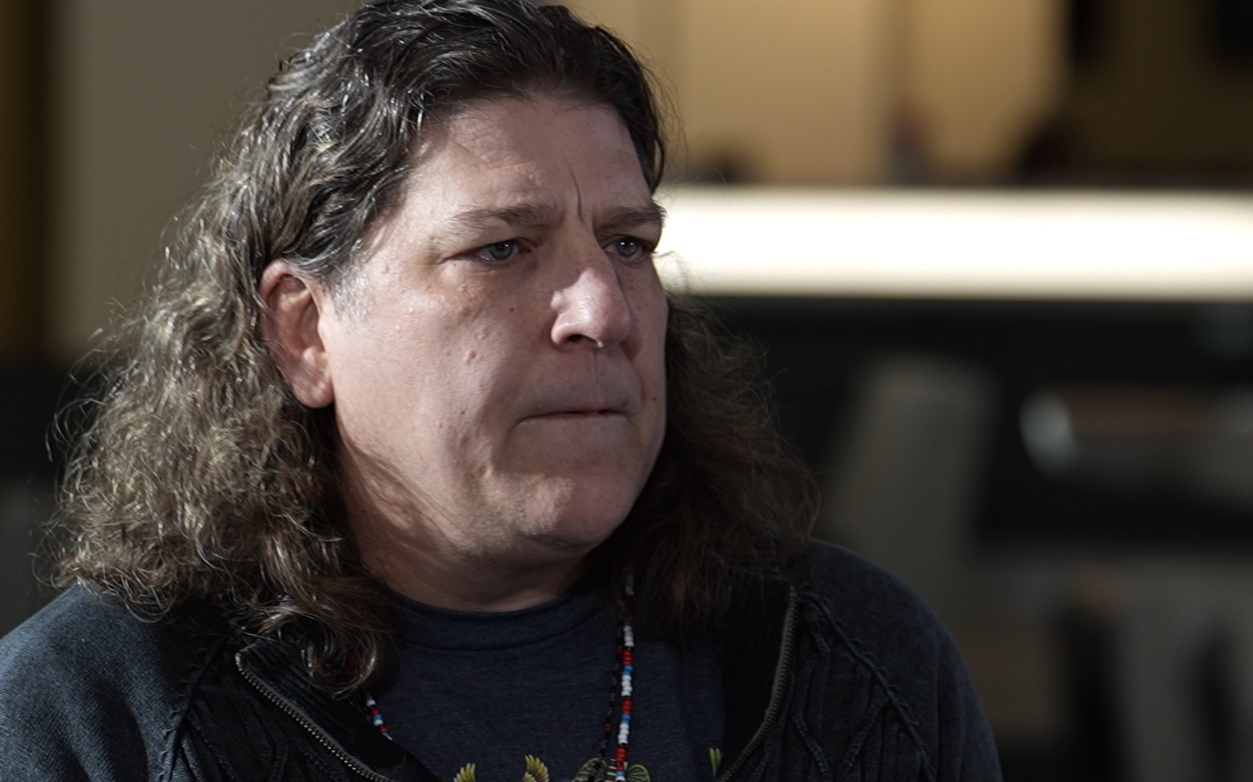
“We want to explore AI,” said Jennings, who is a professor and the department chair of Journalism and Media Production at MSU Denver. “We want to push the boundaries.”
Loats, a professor of physics and the executive director of the Center for Teaching, Learning, and Design at MSU Denver, says artificial sound can dramatically change audience perception.
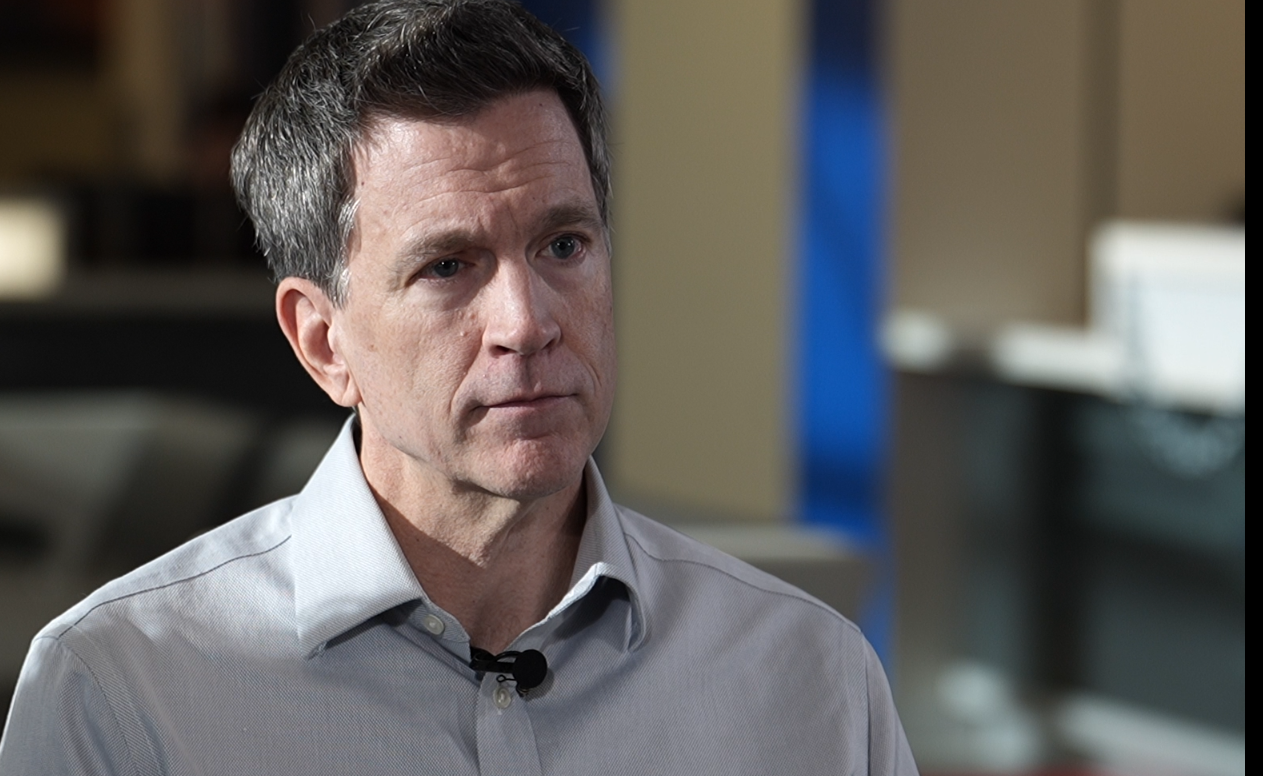
“I’m just going to play some video clips with some artificially generated audio that has like deep sobbing around something, right?” Loats said. “That’s going to pull on people’s heartstrings, depending on what I’m showing on the screen at that moment. It’s going to drastically change the emotional tenor of what’s being shown. I’m not violating copyright, but I’m now really artificially changing maybe what was happening.”
That raises a key question in journalism about transparency.
“It’s a slippery slope in media production, in general - journalism, absolutely,” Jennings added.
Chavous says the future of AI in media isn’t about removing the human touch; it’s about knowing when, and when not, to use it.
In honor of National News Literacy Week (Feb. 2 - Feb. 6), our parent company, E.W. Scripps, is partnering with the News Literacy Project to help teach the public how to separate fact from fiction and stay informed.
